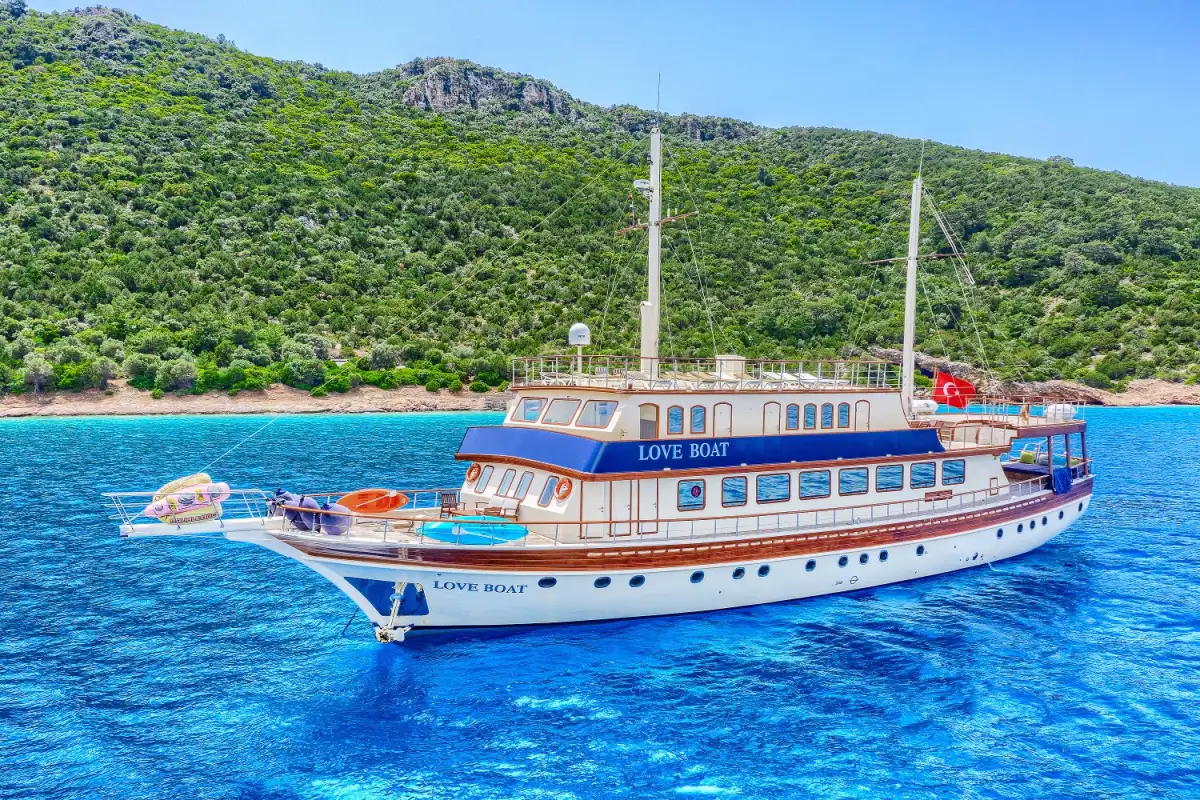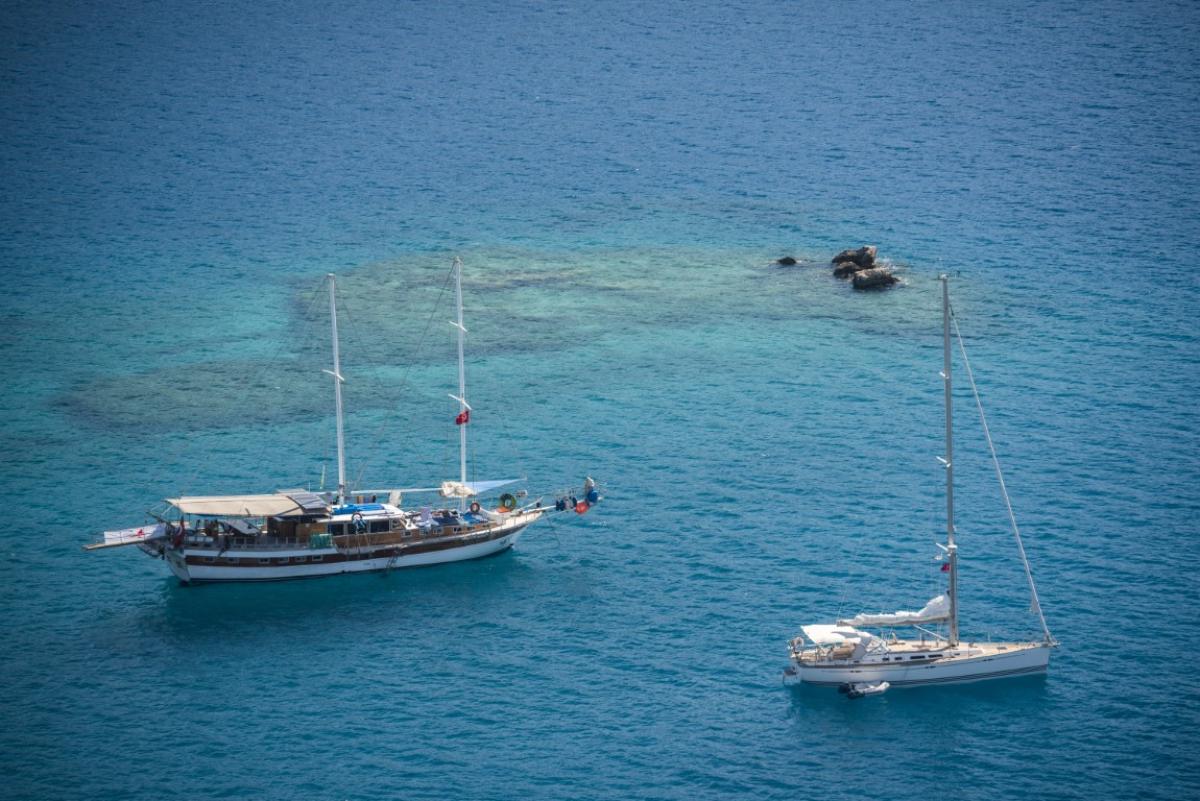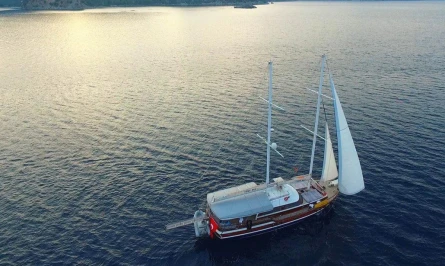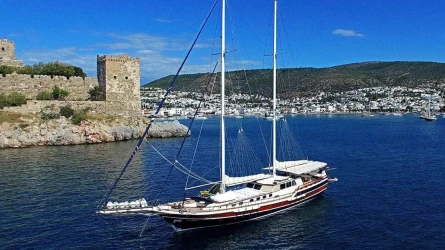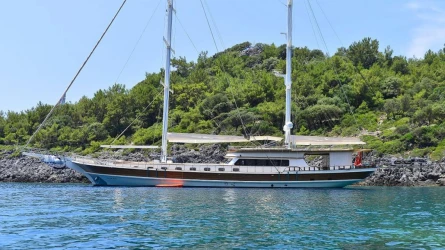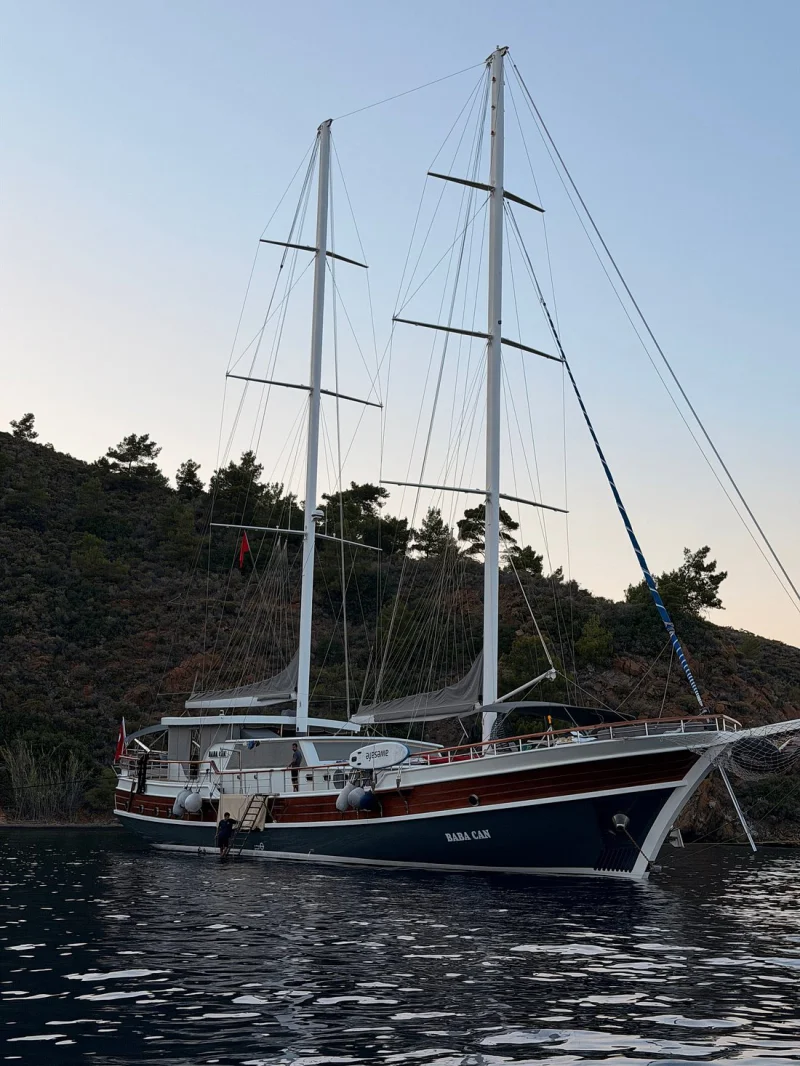


Traditional wooden sailing vessels have evolved dramatically over recent decades. Today's gulets commonly have 4 to 8 air-conditioned cabins.
Each cabin has a private bathroom. Most also have professional kitchens that turn out good meals. The deck areas are large and can rival boutique hotels.
After over 15 years in charter operations, we have seen clients extend their bookings. This happens because their vessel exceeded expectations in comfort and equipment.
Understanding gulet amenities matters before you book. Private gulets with four cabins typically start from about €7,000 a week, based on De Yachting's average of 189 gulet charters from 2024–26. Luxury boats with six to eight cabins, especially in July and August, can cost €35,000 a week or more. Cabin-only bookings, where you share a boat, run from roughly €550 to €1,600 per person a week.
Price does not always track equipment, so it helps to know which features matter. In practice, most charter satisfaction comes from getting core amenities right, not from collecting the longest features list.
A Turkish gulet is a traditional wooden sailing vessel, often 20–35 meters long, originally used for fishing and cargo along Turkey's Mediterranean coast. Modern gulets have become fully crewed charter yachts that combine classic wooden construction with contemporary comfort. Most gulets offer 4–8 guest cabins, large deck spaces for outdoor living, and professional crews handling navigation, cooking, and service throughout your voyage.
Most charter guides list amenities without explaining why they matter. Below is what separates a good charter from a great one, based on feedback from many trips along the Turkish coast.
Air Conditioning: Non-Negotiable in Peak Season
Air conditioning matters most in summer, when temperatures on the Turkish Riviera often reach 35°C or more between July and August. Gulets without proper air conditioning can become floating saunas after noon. Heat is also a health issue, not only a comfort one, and the World Health Organization's guidance on heat and health is worth reading before a summer charter.
Luxury Gulet Charter
Expertly curated yacht experiences
Many modern gulets offer individual cabin climate control, with split units in each cabin. Couples can set their preferred temperature while others adjust theirs differently.
Older vessels sometimes have central systems that cool unevenly. Cabins near the engine room can stay warmer despite the AC running full blast.
In our experience, families with children prioritize air conditioning over deck space. Adults can handle heat, but children get cranky fast. We have had clients switch boats mid-season after one night in an under-cooled cabin.
The galley and salon areas need cooling too. Crews preparing meals in extreme heat struggle to maintain quality, and when a week-long private charter costs €7,000 or more, you deserve fresh-cooked dishes. Shortcuts happen when the kitchen feels like an oven.
Budget gulets sometimes advertise air conditioning but limit usage to nighttime hours only. Clarify this before booking. Full-day AC access uses more power and fuel, but it is worth the cost during peak season.

Deck Layout: Where You'll Actually Spend Time
Most waking hours happen on deck, so layout matters more than sheer size when you choose a vessel.
Sun Deck Configuration
The upper sun deck should offer both exposed and shaded areas. Traditional Turkish gulets feature a large cushioned seating area at the stern, well suited to breakfast or evening drinks. The bow section typically has more sun loungers for dedicated tanning.
Gulets with split-level decks often suit groups better than single-level designs. Couples wanting quiet reading time can separate from kids playing games. On single-level boats, everyone shares the same space, which can become tense by day three.
Look for built-in dining tables that seat your entire group comfortably. Some gulets seat 12 people at a table meant for eight, which makes meals cramped, especially when the food is as generous as charters usually serve.
Swim Platforms and Water Access
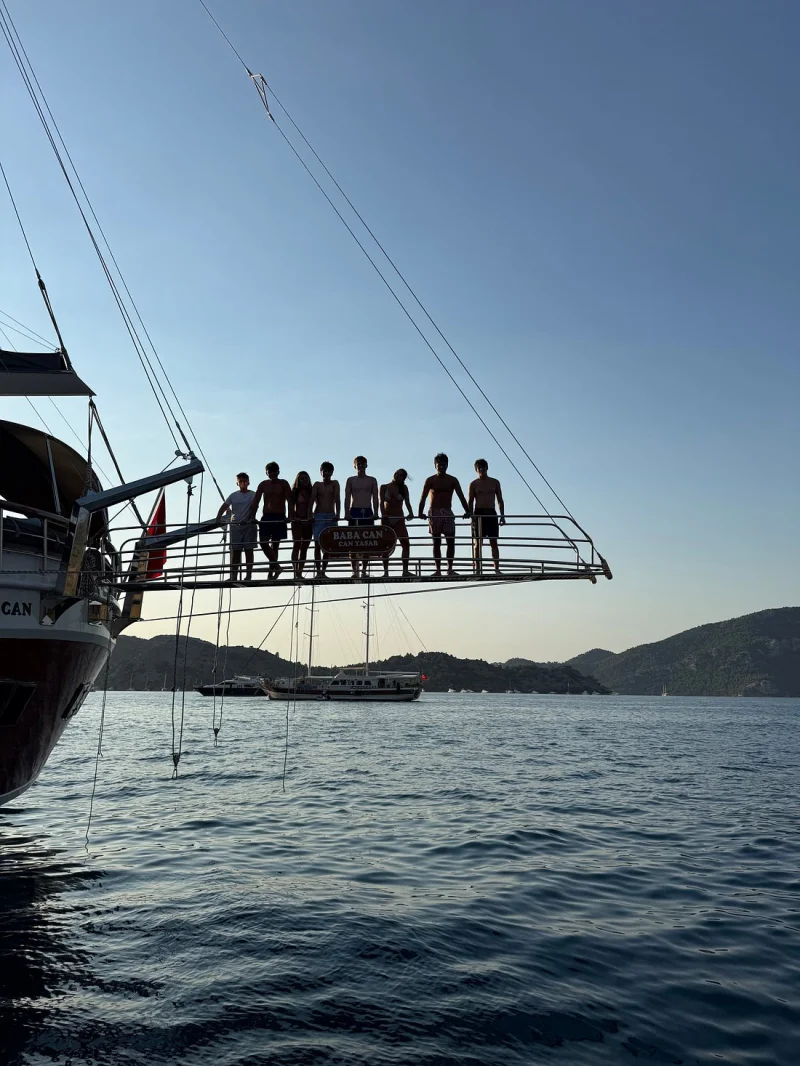
Rear swim platforms should sit close to the waterline so you can climb out easily after snorkeling. High platforms make ladder climbing awkward, and on older gulets they can make entry difficult for children and older guests.
The best platforms extend well beyond the stern and include built-in steps. This creates a proper "beach club" area where you can sit with your feet in clear water while the boat is anchored.
Generator Capacity: The Invisible Critical Amenity
Nobody asks about generators during booking, but they decide whether all your amenities work at the same time. This technical detail shapes your entire charter more than most guests realize.
Undersized generators force trade-offs. You cannot run all cabin AC units, charge devices, use the water maker, and power the galley at the same time. Crews start managing power loads, and your cabin AC may be reduced while dinner is being prepared.
Well-equipped gulets size their generators with clear headroom above peak demand, so everything works without compromise. Boats with minimal capacity can trip circuit breakers and frustrate guests.
Generator problems tend to surface in peak summer, when AC demand is highest. If you are booking July or August, ask about generator capacity directly. Confirm that it can run the full AC load across all cabins plus galley equipment together.
Water Toys: Beyond Basic Snorkeling Gear
Standard equipment on most gulets includes snorkeling masks, fins, and perhaps a paddleboard. Premium vessels carry significantly more.
| Amenity Type | Basic Package | Premium Package | Impact on Experience |
|---|---|---|---|
| Water Sports | Snorkel gear, 1 paddleboard | Kayaks, jet skis, water skis, tubes | Transforms swimming stops into active adventures |
| Fishing | Hand lines only | Rods, tackle, local knowledge | Actually catch dinner vs. token activity |
| Diving | Shore arrangements | Onboard compressor, tanks | Spontaneous dives at remote spots |
| Tender | Small dinghy | Rigid inflatable, 40HP+ | Quick coastal town visits, private beach access |
Water toys matter less for the toys themselves than for reaching hidden spots. A proper tender with decent horsepower lets you reach a secluded cove a few kilometers away while the gulet stays anchored in deeper water. A small dinghy with a weak outboard can take much longer over the same distance, which kills spontaneity.
Kayaks prove surprisingly valuable. Guests paddle into shallow bays where even gulets cannot anchor. During our Greek islands charters, kayakers often found the best swimming spots, small beaches invisible from the main boat.

Galley Equipment and Food Quality
The galley shapes meal quality more than the cook's skill alone. A talented cook working with a two-burner stove and a mini-fridge cannot match an average cook with proper equipment.
Premium gulets feature full-size refrigerators, freezers, multi-burner stoves, ovens, and proper prep space. This lets crews store fresh ingredients and prepare complex dishes. Boats with limited cold storage often rely on canned goods and frozen proteins by mid-week.
Charter operators rarely mention this, so ask about galley size and refrigeration capacity during booking. Boats advertising "gourmet cuisine" should have commercial-grade equipment. If they dodge the question, that is your answer.
Fresh fish depends on your route and the season. Coastal towns such as Bozburun and Selimiye can have morning fish markets where crews buy directly from local fishermen. Routes that skip these stops may mean less fresh seafood, whatever the menu promises.
Coffee matters more than you'd think. Boats with proper espresso machines keep guests happier than those offering instant coffee only. After a week of instant coffee, people get grumpy.

Connectivity: Wi-Fi Reality Check
Gulet charters advertise Wi-Fi almost universally now. The quality ranges from excellent to nearly useless when you are exploring remote bays.
Boats using satellite internet provide more consistent coverage, even in remote anchorages. It costs operators more, and that cost is reflected in the price. Ask for the satellite option as a separate line in your written offer.
Most gulets use 4G hotspots that work well near coastal towns but can fail in isolated anchorages. If you need reliable connectivity for work, specifically request satellite internet and confirm it in writing.
Some guests choose to skip Wi-Fi entirely and report that the trip felt better for it. The Turkish coast offers scenery that gets missed when everyone is checking email. Set expectations with work before departure. Emergencies can be handled via the captain's phone.
Cabin Comfort: Details That Matter
Private bathrooms should be standard, but quality varies dramatically. Well-equipped gulets have separate shower stalls with good drainage and strong hot water pressure, which holds even when two cabins shower at the same time.
Budget boats sometimes have showerheads mounted directly over the toilet, a "wet room" style. Everything gets soaked, and the bathroom may never fully dry in humid conditions. After a few days, towels can stay damp.
Storage separates good cabins from great ones. Look for hanging closets, drawer space, and shelving. Cabins with only under-bed storage force you to live out of suitcases all week.
Windows and portholes need proper blackout curtains. Dawn comes early on the Turkish coast in summer, often before 6 AM. Without good curtains, you will be awake whether you want to be or not.

Entertainment Systems: Evening Options
Most gulets now include sound systems with Bluetooth connectivity. Quality varies from basic portable speakers to integrated systems with speakers throughout the boat.
Underwater lighting is worth asking about. It can attract fish and make evening swims memorable, and it is a simple feature that many operators offer.
Some premium gulets offer projection systems for outdoor movie nights. Crews set up a screen on the main deck, creating a floating cinema experience. Families with children often rate this as a highlight, especially on longer charters where evening options beyond conversation matter.
Board games and cards should be available, though bringing your favorites is a good idea. Onboard selections are often limited and can include worn sets with missing pieces.
Comparing Gulet Types and Yacht Alternatives
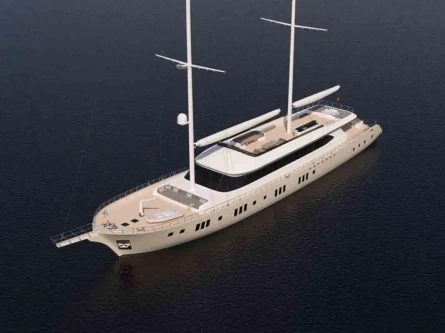
When evaluating charter options, understanding vessel differences helps you choose wisely. Traditional wooden sailing gulets offer spacious deck living and authentic character. Motor yachts provide faster passage speeds and modern amenities. Standard sailing yachts deliver active sailing experiences with smaller group capacities.
Gulets excel at: Relaxed cruising at a gentle pace, large outdoor spaces, groups of 8–12 guests, traditional charm, and generally lower weekly costs than motor yachts.
Motor yachts excel at: speed, covering more distance and contemporary styling, with higher fuel costs and premium pricing as the trade-off.
Sailing yachts excel at: Active sailing participation, smaller groups (4–8 guests), a sportier feel, and welcoming varied skill levels.
Many first-time charterers on the Turkish coast choose gulets for the combination of space, comfort, and value. The slower pace suits Mediterranean cruising well. You are not racing between destinations but savoring each anchorage.
Jacuzzi: Luxury Addition Worth Considering
Deck jacuzzis appear on premium gulets more and more often. They are usually sold as a premium option, so ask for the exact weekly price in writing.
In practice, jacuzzis get used less than you would expect in peak summer. When you are anchored in a beautiful bay with perfect swimming water, the jacuzzi sits empty. It comes into its own during cooler shoulder seasons such as May and October, or for evening relaxation after dinner.
The practical issue is fresh water. Gulets carry a limited supply in tanks, refilled at marinas, and a jacuzzi fill can use a large share of it. Operators often limit usage to conserve water, which frustrates guests who paid extra expecting unlimited access.
Our recommendation: Skip jacuzzis for July and August bookings, when you will swim in the sea constantly. Consider them for May, September, or October. If jacuzzi access matters to you, confirm the daily usage allowance in writing, because rules differ from boat to boat.
Specialized Amenities Worth Considering
Fishing Equipment
Serious fishing gear includes rods, reels, and tackle for Mediterranean species. It also requires crew knowledge of good fishing spots. Charter routes along the Turkish coast pass productive fishing grounds, but you will need proper equipment to make the most of them.
Diving Compressor
Onboard compressors let certified divers explore spontaneously without coordinating with shore-based dive shops. The freedom to dive remote sites when conditions look perfect beats scheduled shore dives.
Water Maker
Reverse osmosis water makers produce fresh water from seawater, reducing reliance on marina refills. The U.S. Geological Survey's overview of desalination explains the basic process. A water maker extends your range and allows longer stays in remote anchorages. Boats without one must plan routes around water availability, which limits flexibility.
Stabilizers
Some luxury gulets now include stabilizer systems that reduce rolling in choppy conditions. Stabilizers are a common feature on large yachts, as Boat International's coverage of superyacht design shows. If anyone in your group gets seasick easily, this feature can make a real difference. The Turkish coast generally has calm conditions, but afternoon winds can make exposed anchorages uncomfortable.
Skip These Amenities
Jacuzzi in July and August: You will use the sea constantly. Ask for the price difference, and if the saving is meaningful, book a non-jacuzzi vessel for peak summer.
Basic Wi-Fi if you need connectivity: 4G hotspots fail in remote bays. Either pay for satellite internet or disconnect entirely. Halfway solutions frustrate everyone.
Fishing gear unless the crew knows local spots: Hand lines often catch little without local knowledge. If serious fishing matters to you, confirm the crew's expertise and equipment before booking.

Tender Specifications: Your Coastal Access
The tender, or small boat, lets you explore coastal towns and reach private beaches while the gulet stays anchored offshore.
Premium tenders are typically rigid inflatable boats (RIBs) with powerful outboard engines. They plane quickly, handle chop well, and carry six to eight passengers comfortably. Basic boats often use small inflatables with modest motors that struggle with more than four passengers.
Real scenario: you are anchored off Symi Island and want to visit the harbor for dinner. A proper RIB covers the short trip in a few minutes. A basic inflatable can take much longer and leave everyone soaked by spray if there is any chop.
The tender is also a backup. If you need to reach shore quickly, for example in a medical situation, a capable tender gets you there faster than waiting for the gulet to move.
Crew Quarters: Why This Matters to You
Professional crews need proper rest quarters separate from guest areas. Boats with inadequate crew space lead to tired, cranky staff who cut corners on service.
The best gulets have dedicated crew cabins forward, completely separate from guest accommodations. Crews get privacy and proper rest, which translates into better service, a better mood, and higher quality meals throughout your charter.
Budget boats sometimes house crew in converted storage areas or expect them to sleep in the salon after guests retire. In our experience, this setup tends to hurt service by mid-week.
Safety Equipment: Beyond Basic Requirements
All gulets carry mandatory safety equipment: life jackets, fire extinguishers, flares, and first aid kits. Premium operators go beyond the minimum. The Royal Yachting Association's water safety advice is a useful checklist for what to ask about, and the International Maritime Organization's SOLAS convention is a useful benchmark for lifesaving equipment.
Look for boats with:
- Life jackets in multiple sizes, including child-specific ones
- EPIRB emergency beacons (not just flares)
- Comprehensive first aid kits with common medications
- Oxygen tanks for diving emergencies
- Proper fire suppression in engine rooms and galleys
Captains report that guests rarely ask about safety equipment during booking, but they appreciate thorough preparation when minor emergencies occur. Jellyfish stings, sea urchin spines, and minor cuts happen regularly, and boats with proper medical supplies handle them smoothly. Engines and generators also produce carbon monoxide, so ask how the crew ventilates engine rooms and whether the boat has CO alarms. The U.S. Coast Guard's carbon monoxide guidance explains the hazard.
What Actually Matters Most
After hundreds of charters, client feedback consistently prioritizes:
- Reliable air conditioning (the point guests raise most often)
- Quality food (depends on galley equipment and provisioning)
- Comfortable outdoor spaces (where you spend most of your time)
- Good crew quarters (translates directly to service quality)
- Proper tender (determines how freely you can explore)
Everything else enhances the experience but does not make or break it. A gulet with excellent basics beats one with flashy amenities but poor fundamentals every time.
Questions to Ask Before Booking
Ask specific questions to see how operators really compare:
Generator capacity: "Does the generator handle all cabin AC units plus galley equipment running simultaneously during peak afternoon heat?"
Air conditioning: "Is AC available 24 hours a day, or are there time restrictions? Which spaces have individual climate control?"
Galley equipment: "What size are the refrigerator and freezer? Does the galley have a full oven or just a stovetop?"
Water capacity: "How many liters of fresh water are in the tanks? How often do you refill during a typical week?"
Tender specifications: "What type of tender is it, RIB or inflatable? What horsepower? How many passengers can it carry comfortably?"
Crew rest areas: "Where do the crew sleep? Are crew quarters completely separate from guest areas?"
Jacuzzi usage (if applicable): "How many times can we use the jacuzzi during a seven-day charter? Are there any restrictions on duration?"
Operators with quality vessels answer these questions directly and confidently. Vague responses or topic changes can signal potential issues.
Setting Realistic Expectations
Gulet amenities vary dramatically across price points. Standard 4-cabin private gulets start from about €7,000 a week and provide the basics: air conditioning, private bathrooms, crewed service, and snorkel gear. Food and drinks are usually extra. Luxury boats with six to eight cabins, which can cost €35,000 a week or more in July and August, add quality galley equipment, better deck layouts, expanded water toys, and often jacuzzis, satellite Wi-Fi, and specialized equipment.
Worth knowing: amenity quality matters more than quantity. A boat with 10 features that all work well is better than one with 20 features, half of which have limits or do not work reliably.
When booking, ask specific questions about the amenities that matter to your group. Don't assume a luxury gulet charter means the same thing across operators. Get details in writing: cabin count, AC specifications, water toy inventory, galley equipment, generator capacity, and tender specifications.
Is a Gulet Charter Worth the Investment?
Our team has more than 15 years of charter experience, and guests frequently leave positive feedback. For exploring the Mediterranean, gulets offer strong value, especially for groups who want space and privacy.
Gulet charters are great when you focus on a few key things. First, enjoy a relaxed pace instead of rushing between ports. Second, appreciate outdoor living and deck space. Third, love the charm of authentic wooden boats. Fourth, benefit from fully crewed service, including a captain, cook, and deckhand. Fifth, enjoy flexible itineraries that adapt to weather and your preferences. Lastly, swim and snorkel in quiet, secluded bays.
They are worth it if:
- You are traveling with family or friends (6–12 people).
- You enjoy the journey as much as the destinations.
- You want crew, fuel for the planned route and service included in one weekly price.
- You prefer smaller experiences instead of big cruise ships.
Consider other choices if:
- You need to travel a long distance quickly. Motor yachts are faster.
- You want to sail actively. Traditional sailing yachts are better for that.
- You are traveling alone or as a couple. A cabin charter, where you book one cabin on a shared gulet, is more affordable.
- You need reliable internet for work. Land-based hotels are more dependable.
Value assessment: a standard 4-cabin private gulet, starting from about €7,000 for a week-long gulet charter, works out to roughly €875 per person when eight guests share it. The price covers crew, fuel for the planned route, and harbor fees in Turkish waters, as listed in your written offer. Food, drinks, and gratuities are usually extra. Comparable hotel stays plus restaurant meals plus day boat rentals often cost more while offering less flexibility and privacy.
Planning Your Gulet Amenities and Itineraries
Successful charters balance vessel selection with route planning. Your chosen amenities should match your intended itinerary style and destinations.
Active exploration routes, which visit 5–7 different bays or towns each week, have many benefits. They need a strong tender for easy shore visits.
A good galley allows flexible meal times. Water toys provide fun activities. A reliable generator helps charge electronics in the evening.
Relaxed anchoring routes with 2–3 main locations and longer stays work well. They offer great deck comfort for long, lazy days.
A quality galley suits elaborate meals. Entertainment systems help with evening relaxation. Fishing equipment gives you something to do between swims.
Gulet amenities and itineraries work together. Match your vessel features to your planned activities, and discuss this balance with your charter operator during booking. Routes heavy on shore exploration need different amenities than routes focused on onboard relaxation and swimming.
The Turkish coast offers incredible cruising whatever amenities your gulet includes. Matching your expectations to reality before you leave prevents disappointment. It also helps you choose a gulet that fits your needs and budget.
References
- International Maritime Organization (IMO) - "International Convention for the Safety of Life at Sea (SOLAS), 1974" https://www.imo.org/en/about/conventions/pages/international-convention-for-the-safety-of-life-at-sea-(solas),-1974.aspx
- U.S. Coast Guard Boating Safety - "Carbon Monoxide" https://www.uscgboating.org/recreational-boaters/carbon-monoxide.php
- U.S. Geological Survey - "Desalination" https://www.usgs.gov/water-science-school/science/desalination
- World Health Organization - "Heat and health" https://www.who.int/news-room/fact-sheets/detail/climate-change-heat-and-health
- Royal Yachting Association (RYA) - "On water safety advice" https://www.rya.org.uk/water-safety/
- Boat International - "Top design features found on the world's largest yachts" https://www.boatinternational.com/yachts/yacht-design/top-10-superyacht-design-features-found-on-the-worlds-largest-yachts--1849
This article was last updated on October 13, 2026.
I have over ten years of experience in luxury yacht charters. I focus on creating amazing sailing experiences along the Turkish Riviera. As the CEO of De Yachting since 2010, I have managed many successful charters. I know Turkey's most beautiful coastal spots very well.
Areas of Expertise
Have questions about yacht chartering?
Feel free to reach out directly