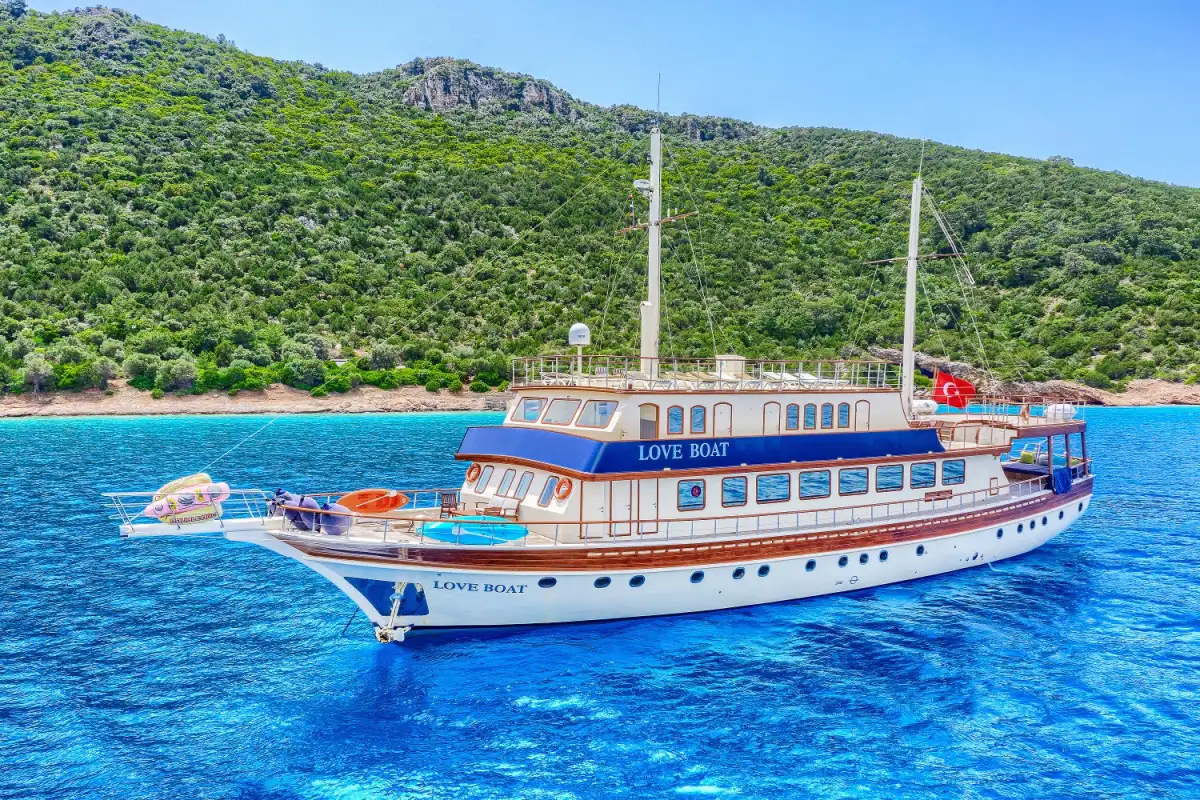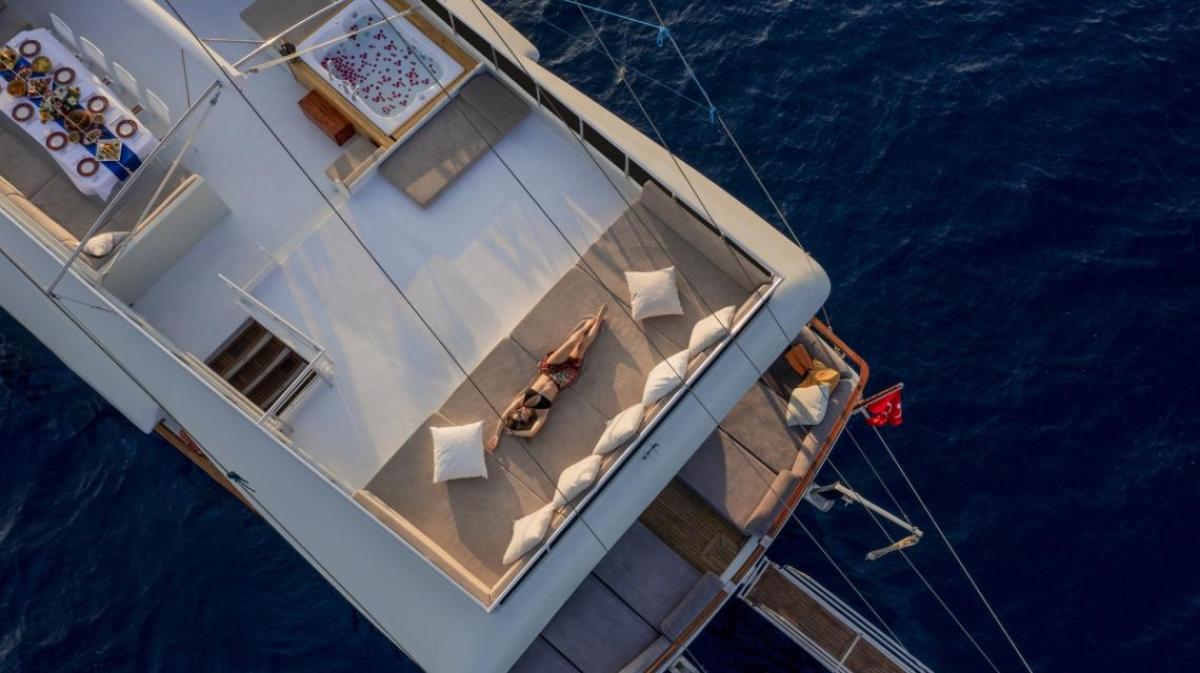

Accessible yacht charters make Mediterranean sailing possible for wheelchair users and passengers with mobility challenges. In our 15+ years of running accessible charters, we've learned exactly what works—and what doesn't.
Most charter websites barely mention accessibility options. That's frustrating when you're trying to plan a family holiday. Many people assume sailing simply isn't possible if someone uses a wheelchair.
We've been running accessible charters from Bodrum to Fethiye since 2010. The routes work beautifully when you know which features actually matter for your specific needs.
What to Look for in an Accessible Charter
Turkey's coast has a large charter fleet, but only a small number of boats are genuinely accessible. The rest may claim to be "wheelchair friendly," but that often means nothing practical. Here's what we've learned really matters:
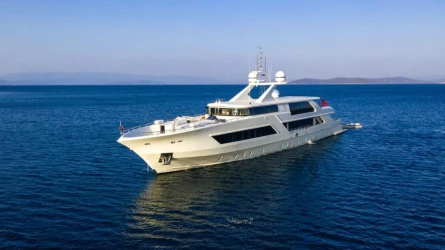
Motor yachts with hydraulic stern lifts work best for power wheelchair users. You'll want lifts rated for 250-300kg capacity and doorways at least 90-100cm wide. Roll-in showers are essential—anything with a lip or threshold creates problems.
Modified gulets with portable ramp systems suit manual wheelchair users well. They're also a good choice for passengers using walkers. What really makes the difference is crew training—look for teams with documented disability awareness training.
Some premium vessels offer beach landing systems and adapted water sports equipment. These features cost more but open up activities that most passengers assume they can't do while sailing.

Planning an Accessible Yacht Charter?
Get our guide to wheelchair-friendly yachts and accessible routes in Turkey. Expert planning for your specific needs.
What Makes a Yacht Truly Wheelchair Accessible
Barrier-free sailing requires specific modifications, not vague promises. Key features include hydraulic lifts that can hold 200-300 kg. Doorways are 90-100 cm wide. Deck areas have safe, non-slip flooring.
Grab bars need strategic placement—not random installation. Bathrooms require 150-180cm turning radius for wheelchair maneuverability. Wall-mounted bars should sit at 70-90cm height for proper leverage during transfers.
Roll-in shower access eliminates dangerous thresholds that cause falls. Good accessible cabin design includes adjustable bed heights (40-60cm), lowered light switches (90-110cm), and emergency call buttons within reach.
Most Turkish gulets lack these features entirely. Their traditional designs prioritize beautiful woodwork over practical accessibility. Motor yachts and modern conversions offer much better options for wheelchair users.
Doorway width is the critical test. Standard yacht passages measure 70-75cm—too narrow for most wheelchairs. Accessible yachts need 90-100cm minimum clearance. This single specification eliminates 90% of the fleet immediately.
| Feature | Standard Yacht | Accessible Yacht | Why It Matters |
|---|---|---|---|
| Doorways | 70-75cm | 90-100cm | Wheelchair clearance |
| Deck Access | Steep stairs | Lift or ramp system | Independent mobility |
| Bathroom Space | 120cm turning | 150-180cm turning | Wheelchair can turn fully |
| Grab Bars | Optional | Required placement | Safe transfers |
| Flooring | Polished teak | Non-slip surface | Fall prevention |
Adaptive Sailing Features That Actually Work
Trained crew makes the biggest difference between a stressful trip and an enjoyable one. Captains and crew should understand transfer techniques, respect medication schedules, and know how to store mobility equipment safely.
Crews with documented disability training handle situations better. They anticipate what passengers need without constant asking. That makes the whole experience more relaxing for everyone.
Yacht lift systems vary widely in quality. Hydraulic platforms cost €15k-€25k to install and need yearly maintenance. Portable ramps cost €2k-€4k and work fine for many passengers.
Ramps work well for manual wheelchairs but can challenge power chair users. Hydraulic lifts handle 250-350kg including passenger and equipment—that capacity matters for larger power chairs.
Where the lift sits matters more than the type. Stern installations usually work better than side-mounted systems. In Bodrum, Marmaris, and Fethiye, floating-dock setups generally make stern access simpler, while side-mounted lifts can become awkward when afternoon winds increase.
Skip any yacht advertising "wheelchair friendly" without specific measurements. Real inclusive charter operations offer easy access from the deck to the cabin. They provide special water sports equipment and beach landing systems for shore visits.
When to Book: A Month-by-Month Timeline
Proper planning gives you better options. Last-minute bookings usually leave you with only 1-2 boats to choose from—and they may not suit your needs.
December-January (6-8 months ahead)
Start researching operators and request detailed accessibility specifications. Ask for photos showing lift installations, not just marketing images. Request video walkthroughs of actual deck-to-cabin routes. Get written accessibility guarantees in your charter contract—verbal promises tend to disappear when problems arise.
February
Compare quotes from 3-5 operators. Verify crew training documentation from recognized disability organizations. Send photos and dimensions of your mobility equipment so operators can confirm compatibility. Book your preferred vessel and pay the 30-50% deposit.
March-April
Finalize your route with accessibility in mind. Identify hospitals with wheelchair access along your sailing route. Arrange any specialized equipment rentals you'll need (waterproof wheelchairs, portable hoyer lifts). Coordinate airport-to-marina transportation for medical equipment.
May-June (4-6 weeks before departure)
Complete a final video walkthrough of the yacht. Review emergency evacuation procedures specific to mobility-impaired passengers. Confirm medication storage and meal preparation arrangements. Pay the remaining balance.
Turkish Routes Best Suited for Wheelchair Access
Gocek stands out as one of the most accessible sailing bases in Turkey. The marina infrastructure includes wheelchair-accessible restrooms, paved pathways, and adapted tender services. Several local operators here can arrange genuinely disability-friendly charters.
Bodrum to Datça offers 12-15 protected bays with calm anchorages. Wave action stays minimal during summer months. Sandy bottom depths of 8-12m allow secure anchoring without rocky obstacles that complicate shore access.
Fethiye to Kaş includes accessible beach stops at Ölüdeniz (300m accessible boardwalk) and Kaputaş. The famous 140-step descent at Kaputaş requires planning—some experienced crews carry passengers in specialized beach chairs.
Greek island hopping presents mixed results for wheelchair users. Symi's main harbor requires 40-50 steep steps—essentially inaccessible. Rhodes offers better access with flat harbor areas. Kos has excellent wheelchair-accessible beaches at Tigaki with a 500m boardwalk and adapted sunbeds.
Experienced captains report that accessible sailing works best on 4-6 day routes with 2-3 hour sailing segments. Longer passages create fatigue concerns. Plan 60-90 minute stops every 3-4 hours for position changes and comfort.
What Accessible Charters Really Cost
Here's the pricing framework you should expect so you can budget properly:
4-cabin motor yachts start at €2,500 per day—that's €17,500+ weekly. Shoulder season (May, October) offers somewhat lower rates. Peak July-August runs €20,000-€25,000 weekly.
Accessible modifications add €1,500-€2,500 weekly on top of base rates. This premium covers hydraulic lift maintenance, specialized crew training, and additional liability insurance. It's a worthwhile investment for the right experience.
Accessible vessels book quickly because supply is limited. We recommend reserving 6-8 months ahead. December-January reservations secure the best options.
Budget for these common extras:
- Portable hoyer lift rental: €200-€300 weekly
- Waterproof wheelchair for swimming: €150-€250 weekly
- Accessible shore excursion vehicles: €80-€120 per trip
- Medical equipment transport from airport: €60-€100
Power wheelchair users benefit most from hydraulic lifts. Manual chair users can often save €500-€1,000 weekly by using portable ramps instead.
Red Flags: Operators to Avoid
Protect yourself from operators making false accessibility claims. Watch for these warning signs:
1. Won't Provide Specific Photos
Legitimate operators share detailed images of lift installations, bathroom layouts, and deck access routes. Vague responses like "we'll make it work" indicate they lack proper equipment.
2. "Wheelchair Friendly" Without Measurements
Specific numbers matter. Claims of "wheelchair accessible" often lack important details. Without doorway widths, lift capacity specs, or grab bar placement, it means untrained operators are guessing about accessibility.
3. No Crew Training Documentation
Ask for certificates from recognized disability organizations. "Our crew is experienced" without proof often means zero formal training in transfer techniques or emergency protocols.
4. No Written Accessibility Guarantees
Demand contract clauses specifying lift functionality, doorway measurements, and bathroom specifications. Include penalty clauses for misrepresented features.
5. Pressure for Immediate Booking
Legitimate operators understand you need time to verify specifications and compare options. Pressure tactics indicate unreliability.
6. Can't Name Nearby Hospital Locations
Professional operators know the nearest hospitals and travel times:
- Bodrum State Hospital: 20-25 minutes from marina
- Marmaris Training Hospital: 15-20 minutes
- Fethiye State Hospital: 12-18 minutes
Crew Training and Safety Protocols
Crew experience with disability varies dramatically across the industry. Ask specific questions: How many accessible charters have they completed?
What transfer training have they received? What are their emergency evacuation procedures? Vague answers reveal inexperience.
The best crews maintain detailed passenger logs documenting preferences, medication schedules, preferred transfer techniques, and comfort concerns. This information prevents repeated questions and shows genuine professionalism.
Grab bars require specific placement:
- Horizontal bars at 70cm height work for transfers
- Vertical bars at 90cm height assist standing
- Diagonal bars at 45-degree angles help both movements
Crews should demonstrate knowledge of your specific medical needs during pre-charter calls. They need to understand medication schedules, dietary restrictions, and warning signs to watch for.
Making Your Accessible Charter Happen
Start with an honest assessment of your needs. Can you transfer independently?
Do you require crew assistance? Do you need specialized equipment? We've learned that "accessible" means very different things to different guests.
Contact us 6-8 months ahead. Share your wheelchair dimensions, transfer abilities, and any medical needs. Photos of your mobility equipment help us match you with the right vessel.
We'll send you photos and videos of actual accessible spaces—not marketing shots. Video calls show deck access routes, cabin layouts, and bathroom facilities clearly. No surprises when you arrive.
In 15+ years of accessible charters, we've welcomed families traveling together, couples with one partner in a wheelchair, and solo travelers with mobility-related needs.
Accessible sailing isn't difficult. It just requires proper preparation. That's what we do.
References
This guide draws on official accessible tourism standards and passenger-rights guidance. For further information, verify the following sources:
- UNWTO - "Accessibility" https://www.unwto.org/accessibility
- European Union - "Travel and reduced mobility" https://europa.eu/youreurope/citizens/travel/transport-disability/index_en.htm
- T.C. Kültür ve Turizm Bakanlığı Engelsiz Turizm - "Sıkça Sorulan Sorular" https://engelsiz.ktb.gov.tr/TR-11613/sikca-sorulan-sorular.html
This article was last updated on October 12, 2026.
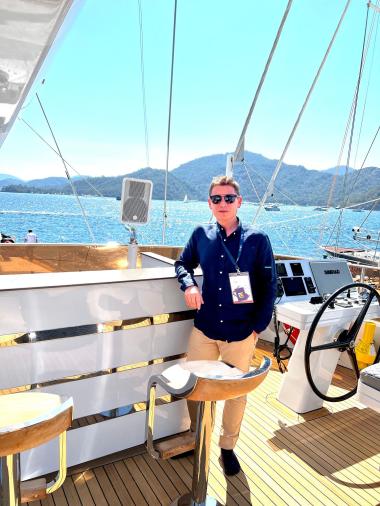
I have over ten years of experience in luxury yacht charters. I focus on creating amazing sailing experiences along the Turkish Riviera. As the CEO of De Yachting since 2010, I have managed many successful charters. I know Turkey's most beautiful coastal spots very well.
Areas of Expertise
Have questions about yacht chartering?
Feel free to reach out directly