
Planning your first yacht charter in Türkiye? A crewed gulet, sailing yacht or motor yacht can be a comfortable way to explore the Aegean and Mediterranean coasts, but the experience depends on choosing the right boat, route, service model and travel documents.
Türkiye's coastline combines bays, islands, marinas, beaches and ancient sites. Official GoTürkiye guidance highlights charter departures from places such as Bodrum, Marmaris, Göcek, Fethiye and Antalya. Conditions, port procedures, weather and available boats change by date, so use this guide as a planning framework and confirm the details in your written charter offer.
Choose the Right Charter Base
Your departure port shapes the coastline, airport transfer, route length and shore excursions available during the week. Bodrum suits Aegean itineraries and access toward the Dodecanese when international cruising formalities are arranged. Marmaris connects with the Gulf of Hisarönü, Datça and routes toward Fethiye. Göcek and Fethiye are practical starting points for the Gulf of Fethiye, the Lycian coast and routes toward Kekova. Antalya offers a different section of the southern coast and should be planned as a separate regional itinerary rather than combined casually with every western base.
| Charter base | Typical planning focus | Good fit for | Confirm before booking |
|---|---|---|---|
| Bodrum | Northern Aegean, nearby islands and cultural stops | Guests interested in Aegean routes and town visits | International port formalities, route permissions and return port |
| Marmaris | Protected-looking bays, Datça and the Gulf of Hisarönü | Shorter coastal routes and mixed swimming and shore days | Seasonal berth availability, anchoring rules and weather alternatives |
| Fethiye/Göcek | Fethiye Gulf, Göcek bays, Lycian coast and Kekova | First-time guests who want shorter passages and varied stops | Protected-area rules, marina location and transfer arrangements |
| Antalya | The eastern section of the Turkish Riviera | Guests combining a charter with Antalya-area culture | One-way options, passage distances and the exact embarkation port |
Do not choose a base only because it appears close to a landmark on a map. A boat's speed, weather window, marina location, customs requirements and return schedule can change the practical route significantly.
Pick the Charter Style
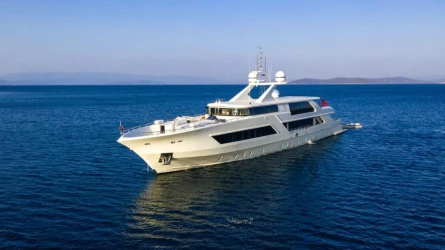
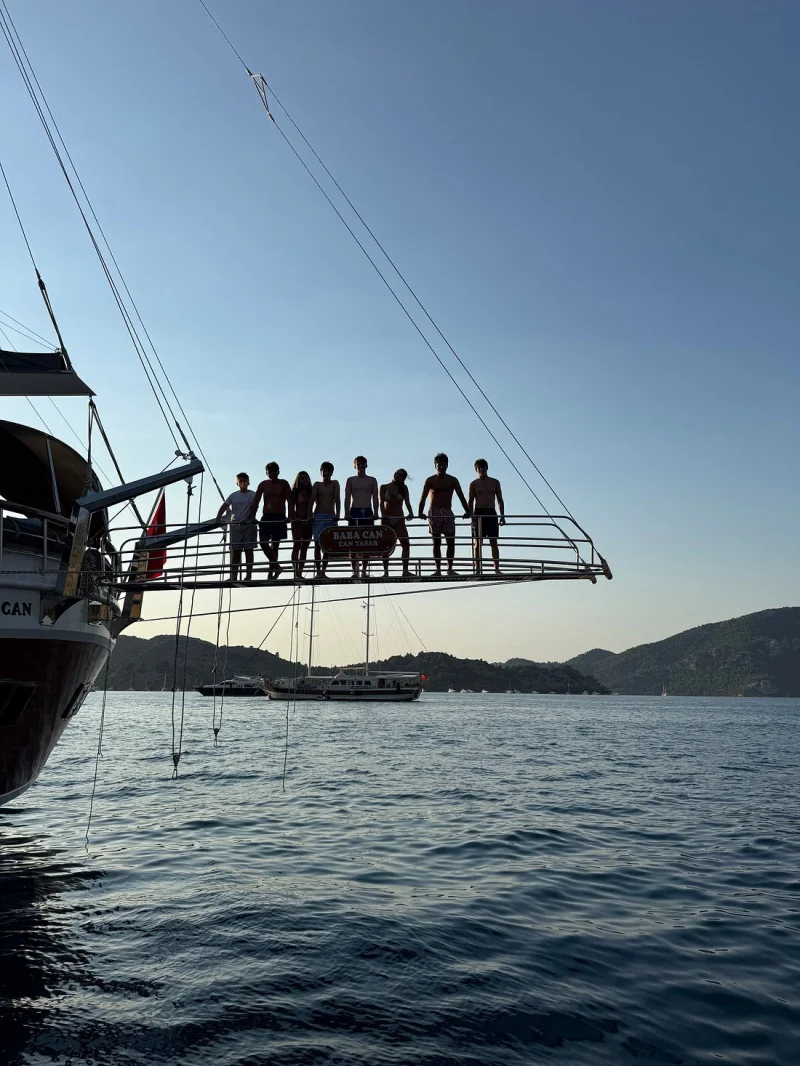
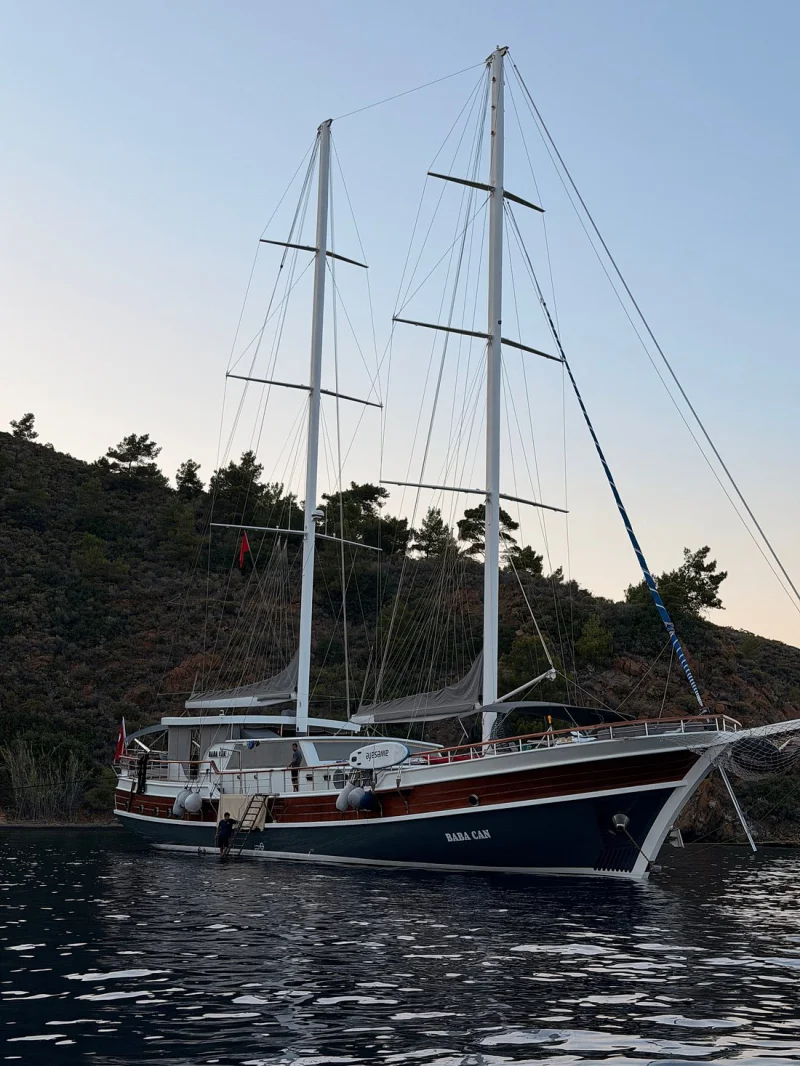
A crewed gulet offers a traditional wooden-boat setting with a captain and service crew. Cabin layouts, deck space, air conditioning, water-sports equipment and meal service vary widely, so compare the specification sheet rather than relying on the word “luxury”.
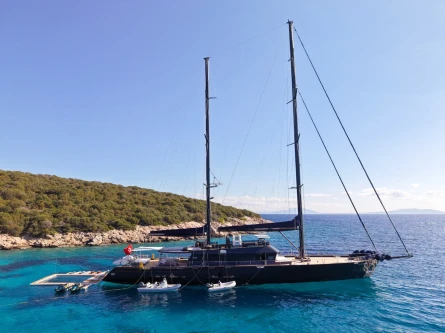
A crewed sailing yacht provides a different layout and sailing character. Ask whether the quoted package includes a professional skipper, additional crew, fuel, marina fees, provisions and tender use.
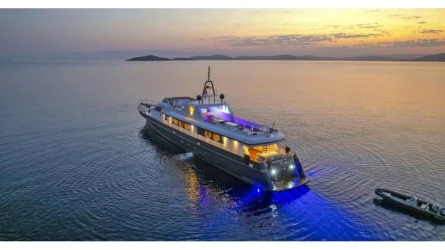
A motor yacht may cover longer distances in a given weather window, but fuel use, noise, draft, marina charges and operating restrictions need to be confirmed. Faster does not automatically mean a better first charter.
First Time in Turkey?
Get insider tips for your Turkish yacht charter
A bareboat charter gives more independence but requires the appropriate experience, documents and operator approval. Qualification and insurance requirements can depend on the flag, vessel, route and charter company. If you are new to chartering, ask for a crewed option before assuming that bareboat is available.

Travel Documents and Entry Rules
Visa rules are determined by nationality, passport type, purpose and travel dates. Türkiye's Ministry of Foreign Affairs maintains the official country-by-country information. Do not rely on a generic table that says every UK, EU, US, Canadian or Australian traveller has the same conditions.
| Before departure | What to check | Where to confirm |
|---|---|---|
| Visa or exemption | Whether your passport requires a visa, e-Visa or consular application | Republic of Türkiye Ministry of Foreign Affairs and the official e-Visa system |
| Passport validity | The required validity beyond the authorised stay; exemptions may apply to some identity-card and official-passport categories | Ministry of Foreign Affairs passport-validity guidance |
| Travel purpose | Tourism, work, filming, research and other purposes can use different visa routes | Ministry of Foreign Affairs visa information and your Turkish mission |
| International sailing | Whether the itinerary crosses an international border and which port formalities apply | Charter operator, harbour authority and current border instructions |
The Ministry advises that a passport or travel document generally needs to remain valid at least 60 days beyond the duration of the visa, e-Visa, visa exemption or residence permit, with special provisions for some categories. It also advises travellers to carry a document valid for at least six months from arrival. Check the current official wording for your own nationality before booking non-refundable travel.
Travel insurance should match the itinerary. Ask whether it covers medical treatment, cancellation, water activities, personal belongings and evacuation. An ordinary travel policy may exclude activities or regions that the charter includes.
Plan a Realistic Route
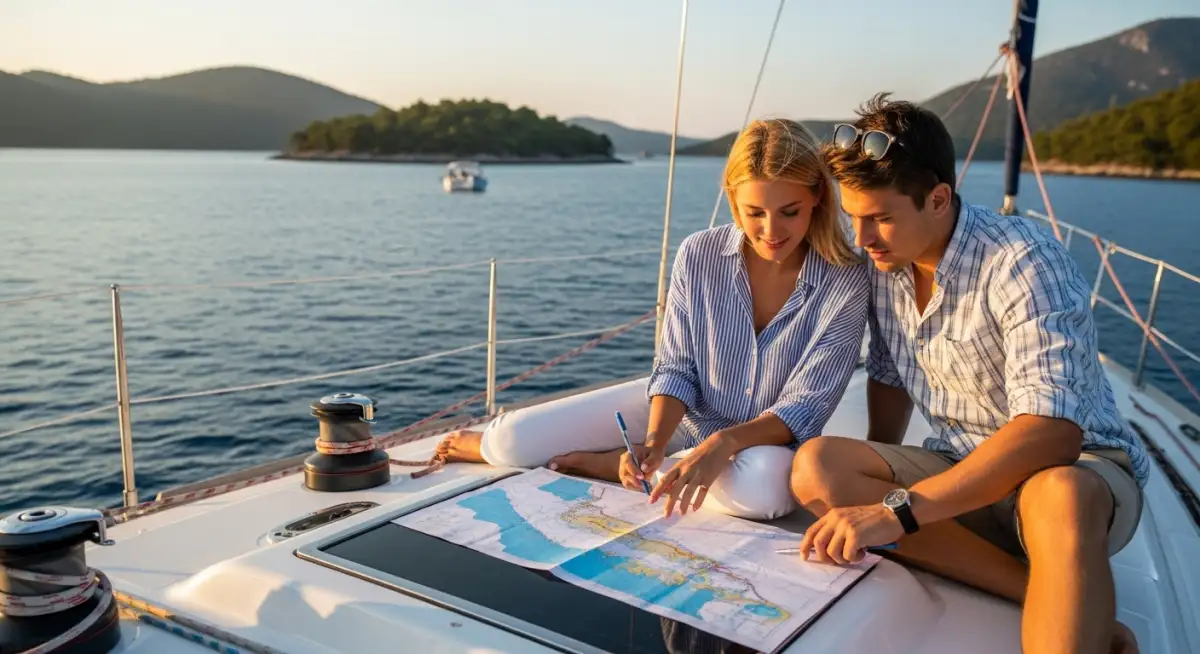
GoTürkiye describes week-long itineraries departing from Bodrum, Marmaris, Göcek, Fethiye and Antalya, but a one-week route is not a fixed product. The captain may change the plan because of wind, sea state, port availability, protected-area rules or guest mobility needs.
Bodrum-area planning:
- Bodrum and the Gulf of Gökova can suit a route focused on bays, villages and land excursions.
- Greek-island itineraries require the correct international permissions and port procedures; confirm these before signing.
- Knidos and the Datça peninsula may require different passage planning from a short harbour-based holiday.
Marmaris-area planning:
- Marmaris, the Gulf of Hisarönü and Datça can be combined according to the boat's range and the weather window.
- A Marmaris–Fethiye route is a longer coastal plan, not a guaranteed daily schedule.
- Ask for a bad-weather alternative and a clear return-port plan.
Fethiye and Göcek planning:
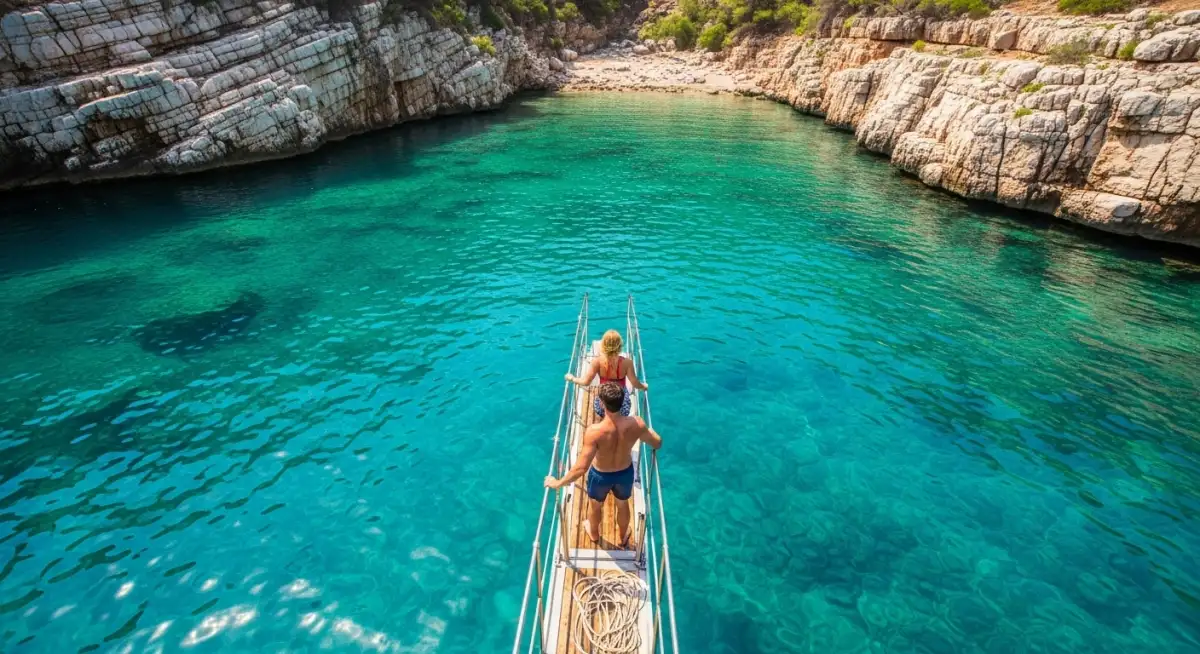
- Fethiye Gulf and Göcek bays can offer shorter passages with time for swimming and shore visits.
- Routes toward Kekova and the Lycian coast need additional passage planning and current site rules.
- Protected bays, nature areas and archaeological sites may have anchoring, landing or visitor restrictions.
Weather is part of the itinerary, not an inconvenience to hide in the sales process. A professional captain should explain how the route changes if wind or sea conditions make the original plan unsuitable.
Understand the Charter Cost
Published online prices are often incomplete because boats, dates, guest numbers, inclusions and local fees differ. Request a written offer that separates the base charter fee from operating costs and optional services.
| Cost area | Questions to ask | Why it matters |
|---|---|---|
| Base charter | What boat, dates, cabins, crew and embarkation port are included? | Two boats with the same length can offer very different service and capacity. |
| Operating costs | Are fuel, water, electricity, marina fees, port dues and transit costs included? | These costs can change with route, weather and the boat's engine use. |
| Food and provisions | Is catering full board, half board, a provisioning allowance or separate? | Menus, dietary needs, drinks and shore meals should be agreed in writing. |
| Deposit and extras | What security deposit, cleaning fee, tender, water sports, transfers and tip guidance apply? | Knowing what is optional prevents an inaccurate comparison between offers. |
Do not treat “all inclusive” as self-explanatory. Ask for a list of inclusions, exclusions, payment dates, cancellation conditions, damage-deposit terms and the process for handling changes caused by weather.

Choose a Responsible Operator
Türkiye's Directorate General for Maritime Affairs states that ship operators and maritime activities are subject to authorisation, technical requirements, inspections, permits and minimum safety conditions. Ask the operator for the boat's registration and documentation, insurance details, crew qualifications, safety equipment list and emergency procedures.
- Confirm the exact boat name, model, year, capacity and cabin configuration.
- Ask who is responsible for navigation, guest safety, provisioning and shore arrangements.
- Check whether the boat has suitable lifejackets for every guest, first-aid supplies, fire equipment, communications and navigation equipment.
- Ask how medical emergencies, evacuation, engine problems and severe weather are handled.
- Confirm the operator's cancellation or route-change policy when conditions are unsuitable.
- Do not interpret a marketing phrase such as “international standards” as proof of a specific certificate.
The IMO explains that maritime safety depends on international regulations, including SOLAS and collision regulations, followed by maritime administrations and operators. A charter company should be able to explain the practical safety briefing you will receive before departure.
What to Pack
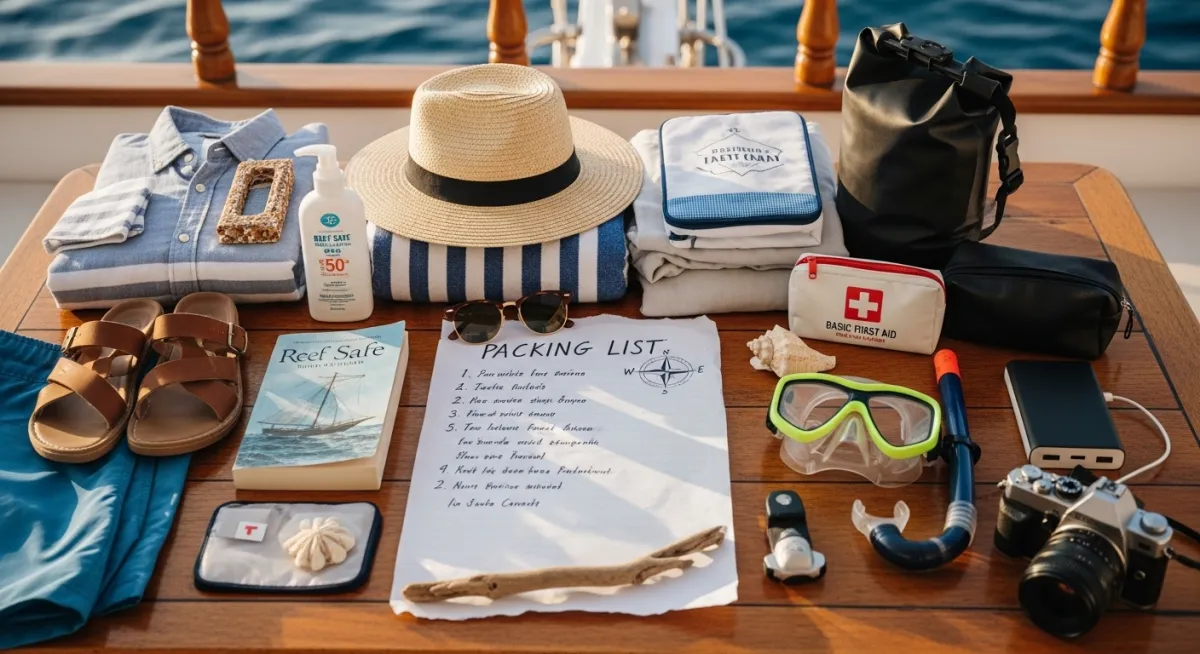
- Soft bags instead of hard suitcases where storage is limited
- Quick-drying clothes, swimwear, sun protection and a light layer for evenings
- Non-slip footwear suitable for the boat's deck and shore landings
- Personal medication, seasickness treatment and a basic first-aid supply
- Passport, visa or e-Visa documents, insurance details and digital copies
- Waterproof protection for phones and documents
- Reusable water bottle and any specialist dietary items agreed with the crew
Ask before bringing glass, large electrical equipment, drones, fishing gear or specialist water-sports equipment. Boat rules, storage, local regulations and insurance may limit what can be used on board.
Know What the First Day Looks Like
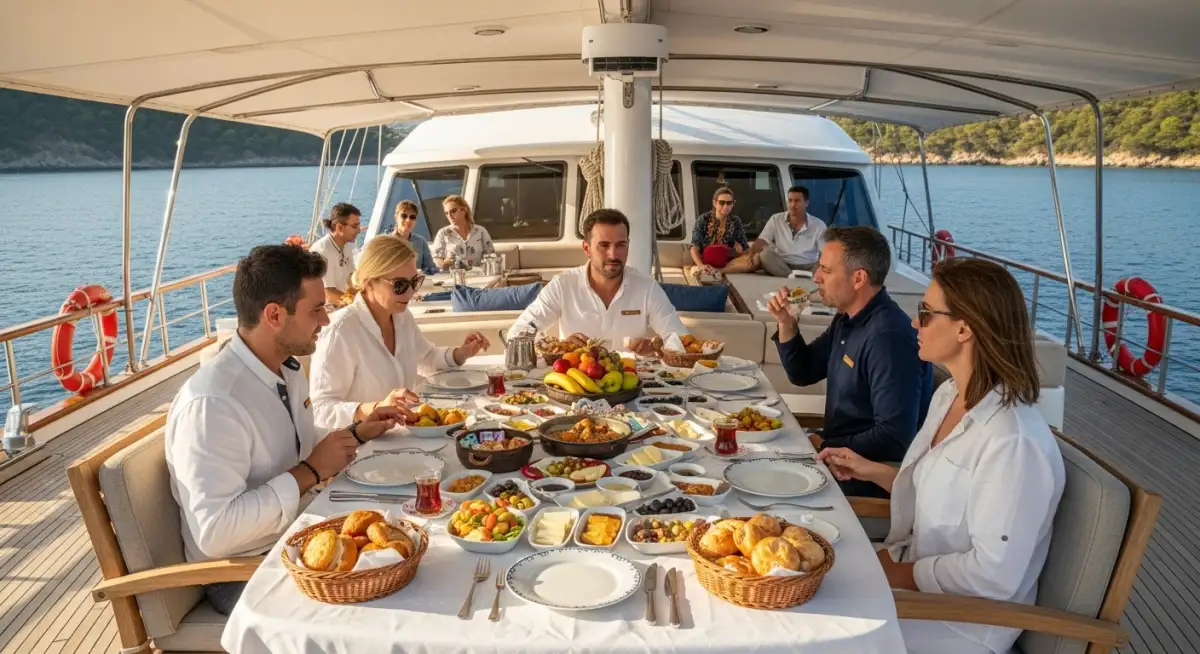
Embarkation normally includes document checks, a safety briefing, cabin allocation, luggage storage and an explanation of the route and meal plan. The exact check-in and departure time depends on the port, boat, operator and any required formalities.
Ask the crew to show you lifejackets, emergency exits, fire equipment, communication methods, toilets, waste systems, drinking-water arrangements and the procedure for calling for help. Tell the captain about medical needs, swimming ability, allergies, mobility issues and seasickness before leaving port.
Life on board is flexible rather than a fixed hourly programme. A typical day may include breakfast, a passage or short repositioning, swimming, lunch, a shore visit and dinner, but the captain should set the schedule according to the weather and the agreed route.
Respect Local Places and Communities
Many routes combine coastal villages, markets, archaeological sites, mosques and local restaurants. Dress respectfully when visiting religious buildings, follow posted photography instructions, remove shoes where requested and use the guidance of the site or local community.
Ask before photographing residents, workers or private spaces. Keep noise low in harbours and villages, take waste back to the boat or approved collection point, and avoid collecting shells, stones, archaeological objects or plants.
Common First-Charter Mistakes
- Booking a boat before checking the cabin plan, draft, capacity and actual embarkation port
- Comparing only the headline price without checking fuel, food, marina fees and deposits
- Assuming a seven-day itinerary can include every coast, island and archaeological site
- Choosing a bareboat without confirming qualifications, insurance and operator approval
- Using a generic visa table instead of checking the official MFA information for your passport
- Ignoring the captain's weather-based route changes
- Packing hard luggage or more equipment than the boat can store
- Assuming every bay, beach or ancient site allows anchoring or landing
Simple Questions to Ask Before You Pay
- What exactly is included in the quoted charter fee?
- Which fees are estimated, fixed or payable at the end of the charter?
- What happens if weather prevents the planned route?
- Who is the captain, and what crew will be on board?
- What safety equipment and communication systems are carried?
- What documents are required for each guest and for the boat?
- Are international waters or Greek ports included, and who handles the formalities?
- What are the cancellation, damage-deposit and complaint procedures?
Final Checklist
- Check the current visa and passport rules with the Republic of Türkiye Ministry of Foreign Affairs.
- Match the boat, crew and route to your actual experience and mobility needs.
- Get every inclusion, exclusion, fee and cancellation term in writing.
- Confirm the embarkation port, airport transfer and return arrangements.
- Pack softly, carry essential documents and disclose medical needs early.
- Attend the safety briefing and follow the captain's weather decisions.
- Respect protected areas, local communities and archaeological sites.
References
- Republic of Türkiye Ministry of Foreign Affairs – Visa Information for Foreigners – Country-specific visa, e-Visa and passport information.
- Republic of Türkiye Ministry of Foreign Affairs – General Information About Turkish Visas – Visa categories, stay limits and application guidance.
- Republic of Türkiye Ministry of Foreign Affairs – Passport Validity Requirements – Entry-document validity rules.
- Republic of Türkiye – Official e-Visa Application System – Official online e-Visa portal where applicable.
- GoTürkiye – Cruising Türkiye – Official tourism overview of Türkiye's cruising regions and ports.
- GoTürkiye – Sail the Enchanted Coast – Official tourism context for charter bases, gulets, routes and seasonal sailing conditions.
- Republic of Türkiye Ministry of Transport and Infrastructure – Directorate General for Maritime Affairs – Authorisation, registration, inspection, permits and safety responsibilities.
- International Maritime Organization – Maritime Safety – International maritime safety framework, SOLAS and collision regulations.
Your first yacht charter in Türkiye should feel enjoyable because the planning is clear, not because a sales page promises that every detail will be perfect. Choose a suitable boat, verify the documents and costs, leave room for weather decisions, and treat the coastline and communities with care.
This article was last updated on October 12, 2026.
I have over ten years of experience in luxury yacht charters. I focus on creating amazing sailing experiences along the Turkish Riviera. As the CEO of De Yachting since 2010, I have managed many successful charters. I know Turkey's most beautiful coastal spots very well.
Areas of Expertise
Have questions about yacht chartering?
Feel free to reach out directly