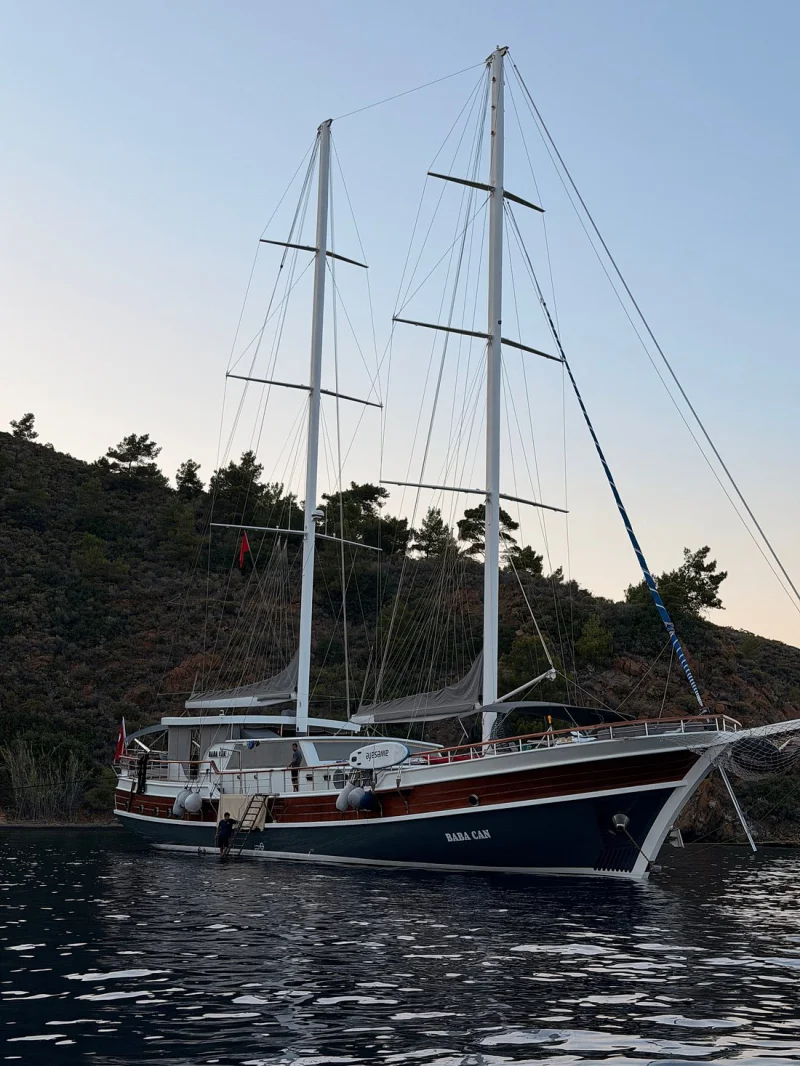

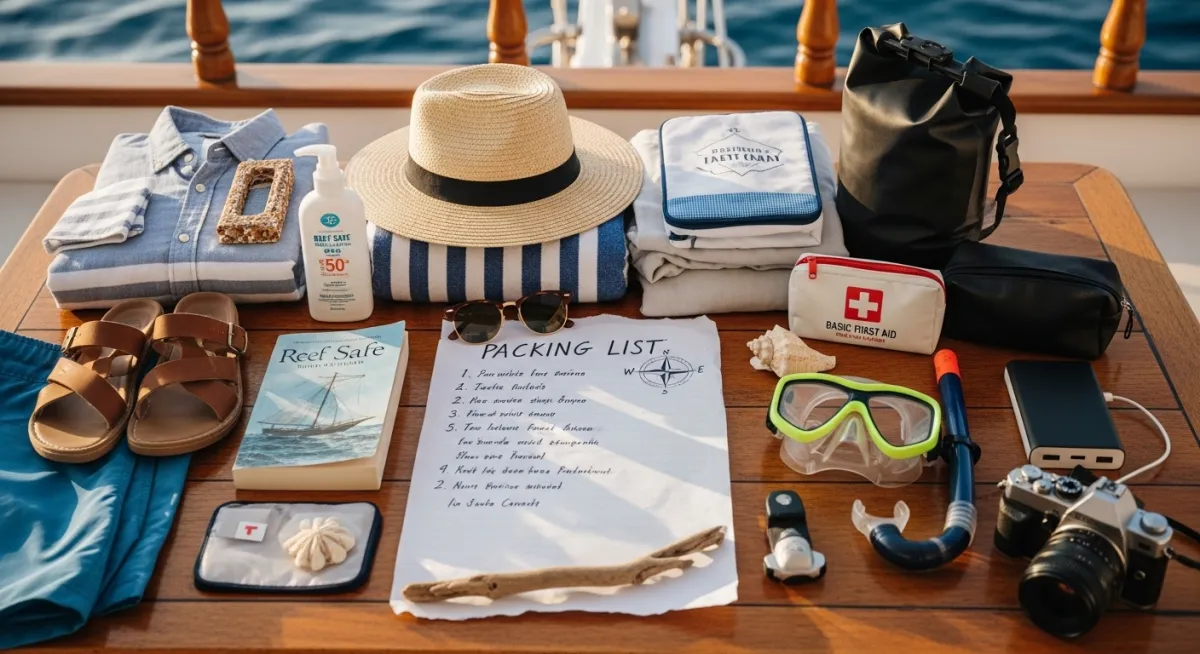
Planning your gulet packing list for a Turkish cruise? Start with lightweight clothing, sun protection, comfortable footwear, personal medicines, travel documents and a small amount of practical gear. The right list depends on the length of your charter, the season, your route, the specific boat and the activities you plan to do.
Whether this is your first gulet charter or a return trip, pack for life on a boat rather than a hotel. Cabins and storage layouts vary, and a soft bag is often easier to stow than a rigid suitcase. Ask the operator about cabin storage, laundry, charging points, towels, linens, water-sports equipment and any restricted items before you travel.
Pack light, but plan for sun, water and shore time. Choose items that dry reasonably quickly, can be used more than once and are comfortable on deck. Keep documents, medicines and electronics protected from spray and store valuables securely.
Essential Clothing for Your Gulet Holiday
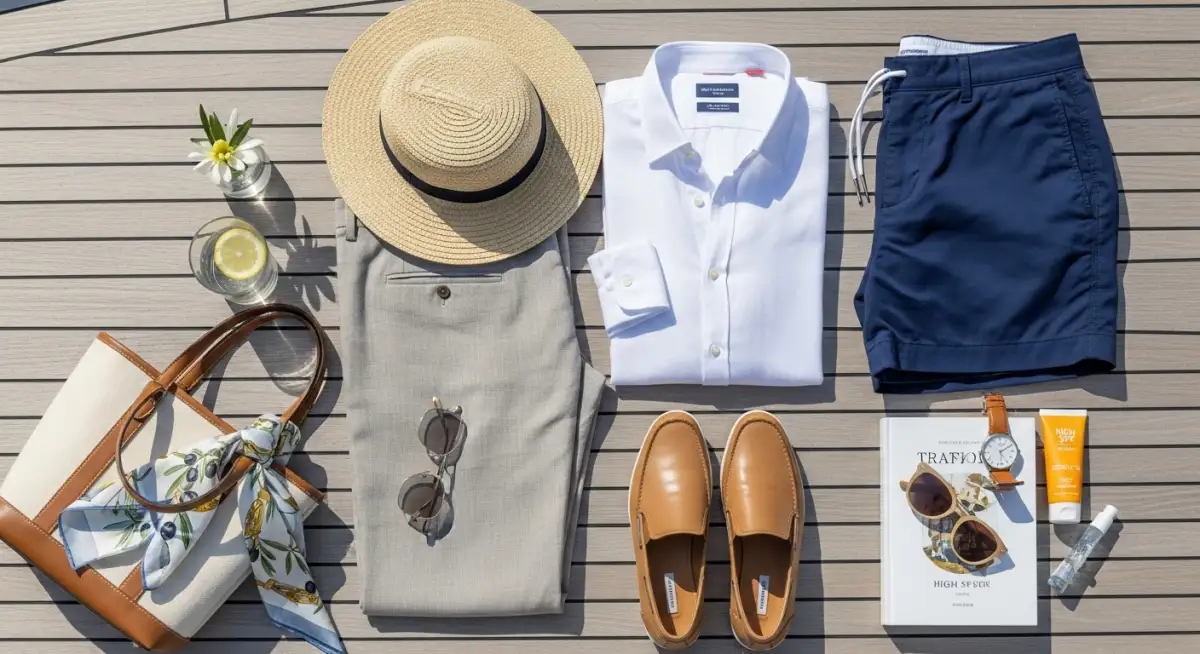
Bring enough swimwear to rotate during the trip, but do not treat a fixed number as a rule. The right amount depends on charter length, access to laundry and how quickly your clothing dries. A cover-up or lightweight layer is useful when moving between the sun, shaded deck and shore.
Breathable tops, shorts, trousers, skirts or dresses can work well in warm weather. Choose clothing that is comfortable for sitting, walking on deck and visiting towns. A long-sleeved shirt or other covering layer can provide additional protection when the UV index is high.
Evenings can feel cooler than sunny afternoons, particularly outside the warmest part of the season or when the boat is under way. Pack a light jacket, wrap or fleece according to the forecast and your route.
Casual clothing is usually practical for a gulet. Confirm any dress expectations for restaurants, religious sites or planned events rather than packing formalwear by default.
Packing for Gulet Cruise?
Get insider tips for your Turkish gulet trip
Sun Protection Essentials
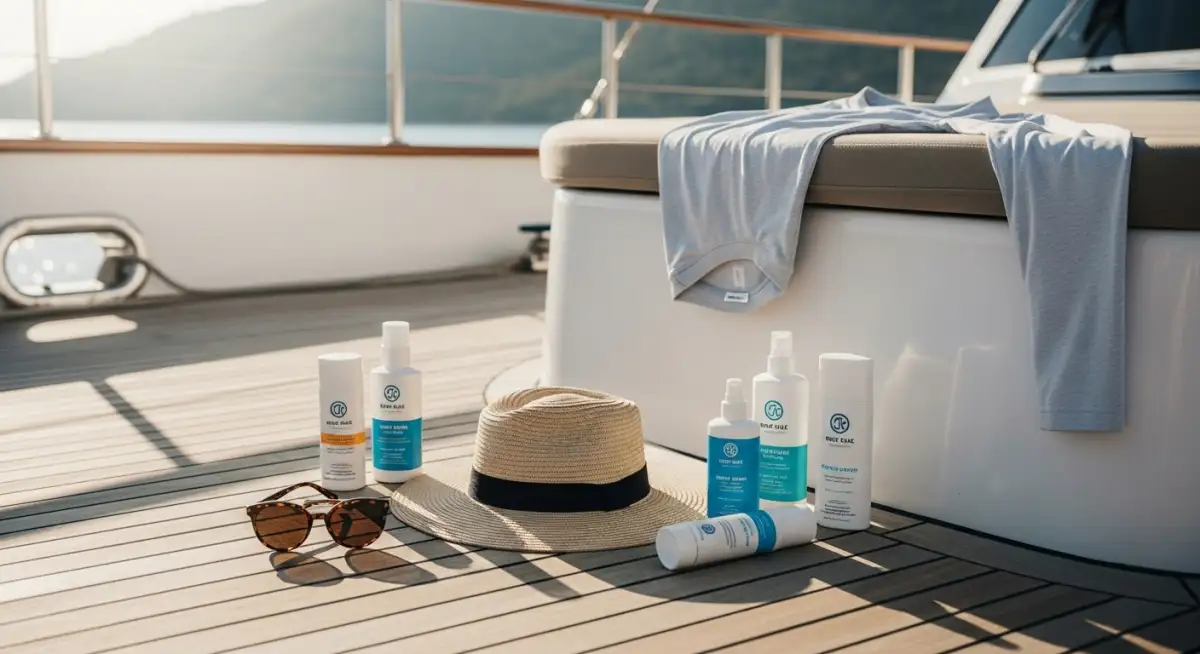
Sun protection on a gulet should combine clothing, shade, sunglasses and sunscreen. The WHO and NHS recommend broad-spectrum protection with at least SPF 30, while also stressing that sunscreen should not be used to extend time in strong sun. Water and bright deck surfaces can reflect UV, so check the UV Index and follow the product instructions.
Pack these sun items:
- Broad-spectrum sunscreen with at least SPF 30, suitable for your skin and planned water exposure
- Wide-brimmed hat or cap that stays secure in wind
- Sunglasses with stated UV protection and a secure fit
- Backup sunglasses if you rely on them for glare or vision
- Long-sleeved or UV-protective shirt for extended time on deck
Footwear for Deck and Shore
Ask the operator what footwear is permitted on deck. Soft, non-marking soles may be preferred on some boats, while wet decks can be slippery. Avoid bringing footwear that could damage the deck or leave marks, and follow the crew's instructions.
Light sandals or flip-flops can be convenient for cabins, beaches and short transfers, but they are not suitable for every surface. Keep a pair that is easy to remove before stepping on deck if the boat requires shoes-off areas.
Bring supportive walking shoes for archaeological sites, uneven paths and coastal towns. Select footwear that fits securely and dries reasonably quickly if your route includes tender transfers or wet landings.
Technology and Documentation
A waterproof phone pouch and a portable charger can be useful, especially when moving between the deck, tender and shore. Charging points, voltage, adapters, Wi-Fi and mobile coverage vary by boat and route, so confirm the arrangement before departure.
Many boats provide charging points, but availability may be limited when the vessel is away from shore power. Bring the correct adapter, charge essential devices before boarding and use a power bank only in accordance with the manufacturer's safety instructions.
Keep your passport, travel insurance details, charter papers, emergency contacts and any required travel documents in a waterproof pouch. Make secure offline copies. Check current entry, insurance and route requirements with the relevant official travel advice and your charter operator; requirements can vary by nationality and itinerary.
Personal Care and Health Items
Carry regular medicines in their original packaging and plan ahead for the whole itinerary. Medication rules differ between countries. Official UK travel advice notes that some medicines prescribed or bought in the UK may be controlled or regulated differently in Türkiye, so check current requirements and obtain professional advice before travelling if this applies to you.
If you are prone to seasickness, discuss prevention with a qualified healthcare professional before departure. Pack only medicines that are appropriate for you, follow the label or clinical advice and tell the operator about relevant medical needs when planning the charter.
Choose toiletries that suit your skin and the boat's waste-water arrangements. Ask what the gulet provides and avoid disposing of wipes, packaging, oils or chemicals overboard. Refillable containers and low-packaging products can reduce what you need to carry, but environmental rules and onboard instructions always take priority.
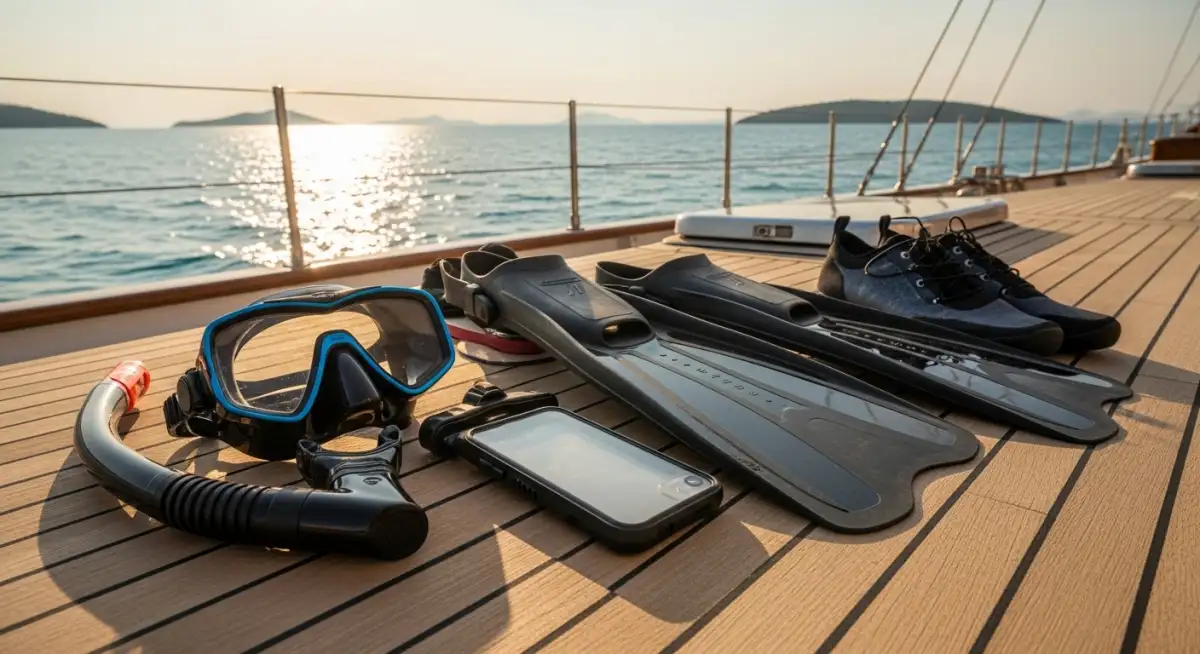
Water Activities Equipment
Water-sports equipment is boat- and package-dependent. Some gulets may provide masks, fins, kayaks, paddleboards or a tender; others may charge separately or carry different equipment. Ask for a current inventory, sizes, safety rules and any age, weather or supervision requirements.
Bring water shoes if your planned landings involve rocks, pebbles or uneven seabeds. They can improve comfort, but they do not remove the need to follow local swimming guidance or the captain's instructions.
If you plan to sleep on deck, ask about the boat's rules, available mattresses or linens, insects, dew, wind and privacy. Do not rely on an informal travel anecdote as a substitute for checking the actual boat and weather conditions.
Space-Saving Packing Strategies
Soft bags can be easier to store than hard suitcases in compact cabins, but confirm the operator's preferred luggage type and maximum size. Packing cubes, compression bags and small organisers can help, provided they do not make the bag too heavy or difficult to handle.
Choose multi-use items that save space:
- Light cover-up or sarong for the deck, beach and shore
- Refillable toiletry containers and a small waterproof pouch
- Quick-drying clothing for swimming, deck time and casual meals
Weather Considerations for Your Route
Spring and shoulder-season sailing may need layers. Temperatures, wind and rain can change between daytime and evening, so check the forecast close to departure and pack a light waterproof layer when appropriate.
Summer departures usually call for stronger sun planning: breathable clothing, a hat, sunglasses, shade breaks and sunscreen used according to the label. Check the local UV Index rather than relying only on the calendar.
Autumn conditions are not guaranteed. Water temperature, wind, rain, route and crowd levels vary by date and location. Ask the operator for a current route forecast and keep one warmer layer accessible.
Cultural Considerations
Pack a light outfit that covers shoulders and knees for religious sites, conservative villages and other shore visits where modest dress is appropriate. Requirements and expectations vary by place, so follow local signs, guidance and the crew's advice.
Bring a small amount of Turkish lira or use the payment method recommended for your route. Card acceptance, exchange access and cash needs vary between marinas, villages, guides and shore vendors.
Tips are discretionary and local practice varies. Do not treat a fixed percentage as a universal rule; ask the operator whether there is a customary approach and whether tips are pooled among the crew.
Practical Packing Table
| Pack first | Consider if useful | Check before bringing |
|---|---|---|
| Swimwear rotation | Underwater camera | Rigid suitcase |
| SPF 30+ broad-spectrum sunscreen | Portable speaker | Formal evening wear |
| Wide-brimmed hat | Personal mask and snorkel | Glass containers |
| Quick-drying layer | Books or e-reader | Excess clothing |
| Waterproof document pouch | Small daypack | Heavy or difficult-to-stow bags |
| Regular medicines | Compact travel games | Valuable jewellery |
Use this table as a starting point and confirm the actual boat's storage, equipment, safety and luggage rules before departure.
Final Packing Checklist
Review your list before departure:
Clothing: Swimwear, lightweight layers, a warmer evening layer and suitable deck and walking shoes. Protection: Sunscreen, hat, sunglasses and waterproof pouches.
Technology: Phone charger, adapter, portable charger and waterproof case. Personal: Medicines, toiletries and travel documents. Extras: Payment method, small backpack and a refillable water bottle if accepted by the operator.
Maximizing Your Gulet Experience
Smart packing keeps the cabin manageable. Choose only what fits your route, boat and group. A Turkish Blue Voyage can combine swimming, shore visits, historical sites and time on deck, but the exact activities depend on the itinerary and conditions.
Before boarding, share dietary, mobility, medical and equipment needs with the operator. Confirm what the boat provides, what must be booked in advance and what cannot be carried or used on board.
Your gulet packing list should leave you ready for sun, water, changing weather and shore time without overloading the cabin. Pack light, protect essential documents and follow the captain's instructions throughout the cruise.
References
- GoTürkiye – "Turkish Gulets" https://goturkiye.com/bluevoyage/turkish-gulets – Official information about gulet construction, layouts and common features.
- GoTürkiye – "Blue Voyage" https://goturkiye.com/turkishriviera/blue-voyage – Official context for Turkish coastal routes, gulets and tailor-made Blue Voyage programs.
- World Health Organization – "Radiation: Protecting against skin cancer" https://www.who.int/news-room/questions-and-answers/item/radiation-protecting-against-skin-cancer – UV protection through clothing, shade, sunglasses and broad-spectrum sunscreen.
- World Health Organization – "Radiation: The ultraviolet (UV) index" https://www.who.int/news-room/questions-and-answers/item/radiation-the-ultraviolet-(uv)-index – How the UV Index supports sun-protection decisions.
- NHS – "Sunscreen and sun safety" https://www.nhs.uk/live-well/seasonal-health/sunscreen-and-sun-safety/ – SPF, clothing, shade, water reflection and reapplication guidance.
- GOV.UK – "Health - Turkey travel advice" https://www.gov.uk/foreign-travel-advice/turkey/health – Travel insurance, medicines and health preparation for Türkiye.
- International Maritime Organization – "Biofouling" https://www.imo.org/en/ourwork/environment/pages/biofouling.aspx – Recreational craft guidance and marine-environment considerations.
- UN Tourism – "Sustainable Tourism Initiatives" https://pre-www.unwto.org/sustainable-development/tourism-initiatives – Sustainable travel, plastics and resource-management context.
This article was last updated on August 11, 2026.
I have over ten years of experience in luxury yacht charters. I focus on creating amazing sailing experiences along the Turkish Riviera. As the CEO of De Yachting since 2010, I have managed many successful charters. I know Turkey's most beautiful coastal spots very well.
Areas of Expertise
Have questions about yacht chartering?
Feel free to reach out directly