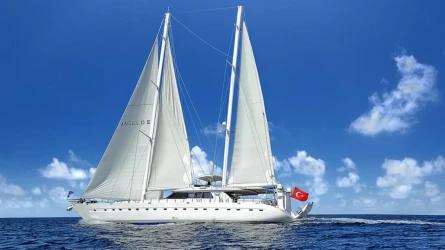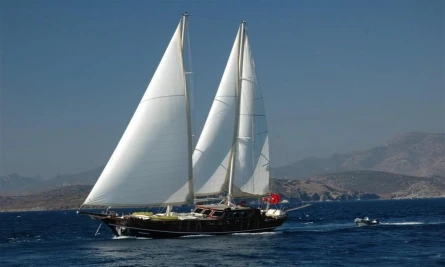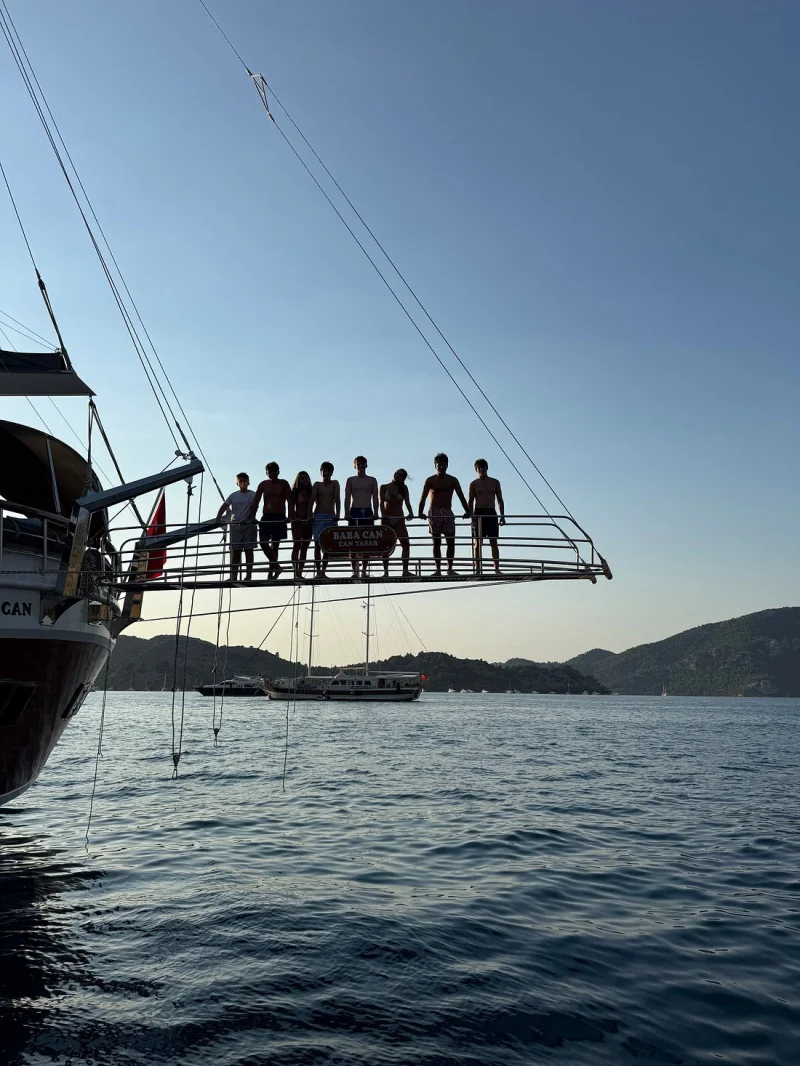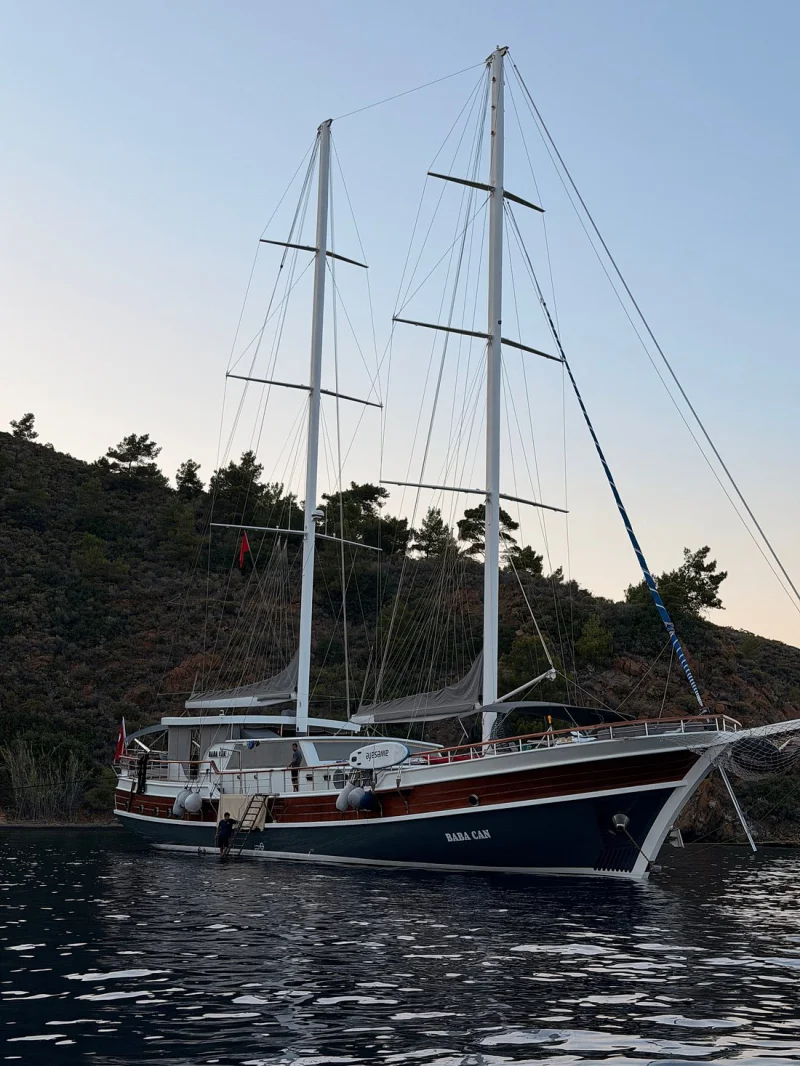


A crewed gulet charter combines a traditional Turkish wooden yacht with a professional crew who operates the boat and supports life on board. You do not need to handle navigation, engine checks or daily boat management, but the exact service depends on the vessel, crew and written charter agreement.
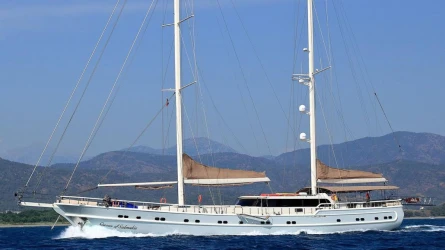
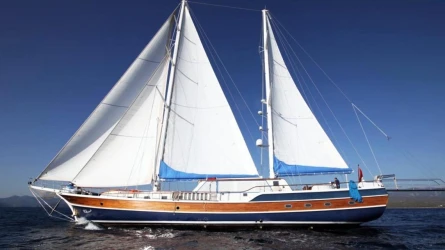
Gulets are associated with Türkiye's Blue Voyage tradition. Official GoTürkiye information describes them as wooden sailing vessels built along the Turkish coast that evolved into motor/sail yachts. Their layouts, cabins, deck space, equipment and service standards vary, so compare the actual boat specification rather than relying on broad labels such as “luxury” or “full service”.
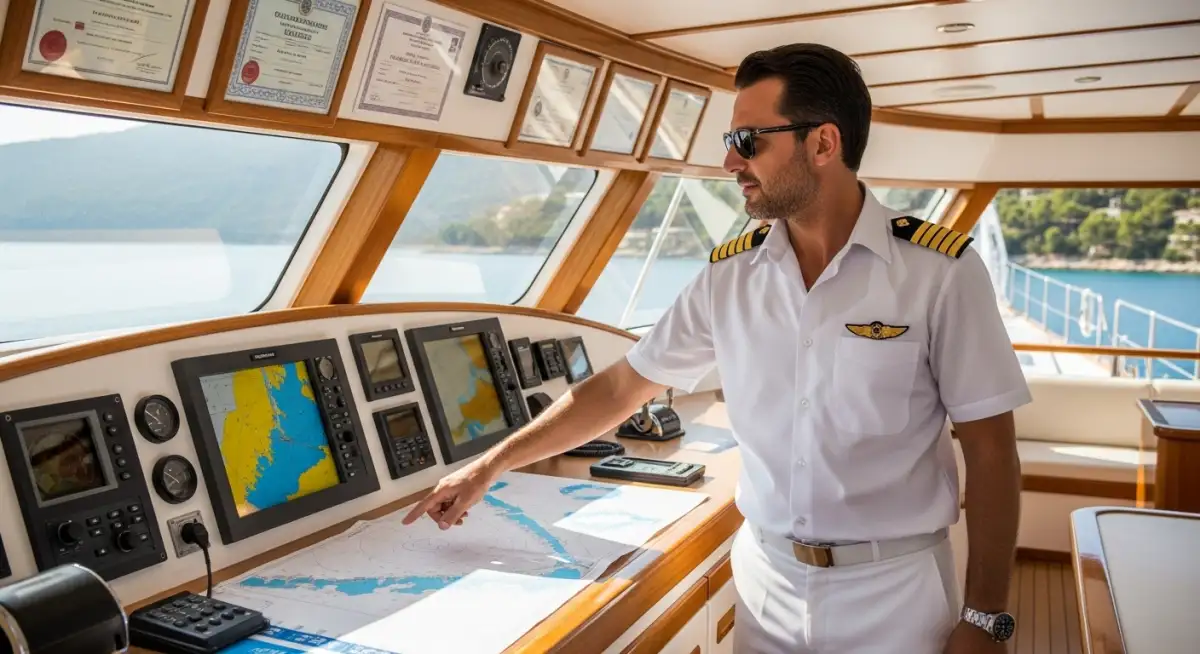
What a Crewed Charter Includes
A crewed charter normally means that the captain and other crew members operate the vessel while guests use the cabins and common areas. Unlike a bareboat charter, guests are not expected to take responsibility for navigation. That does not mean every package includes the same meals, housekeeping, water-sports equipment, transfers or shore excursions.
The crew structure depends on the boat and the service level. A captain may be supported by deck, engineering, galley or service personnel. Some smaller gulets combine roles, while larger boats may assign them separately. Ask for the names or roles of the crew, the guest capacity and the responsibilities included in the offer.
A crewed gulet can reduce the operational workload for a holiday group. The crew can manage navigation, routine deck work and agreed onboard services, while the captain adjusts the route to weather and maritime conditions. Guests should still attend the safety briefing and follow onboard instructions.
Language ability, meal style, housekeeping frequency and response to special requests vary by crew. Confirm the working language, dietary arrangements, cabin service and communication expectations before payment.
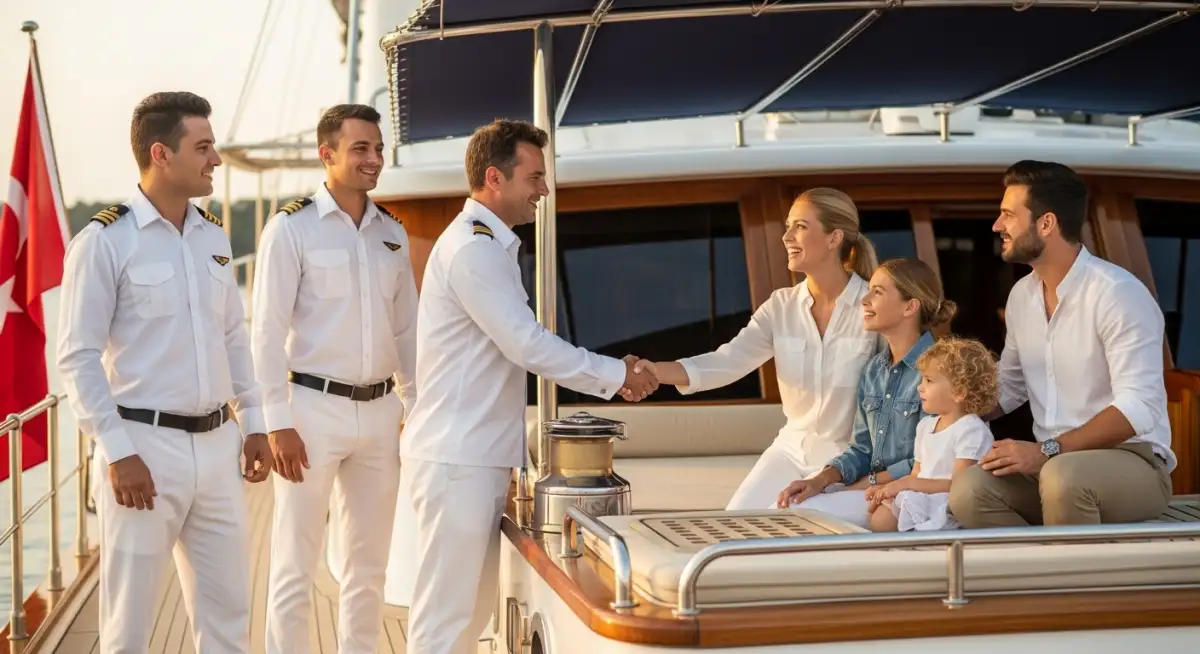
Your Professional Crew Team
The Captain
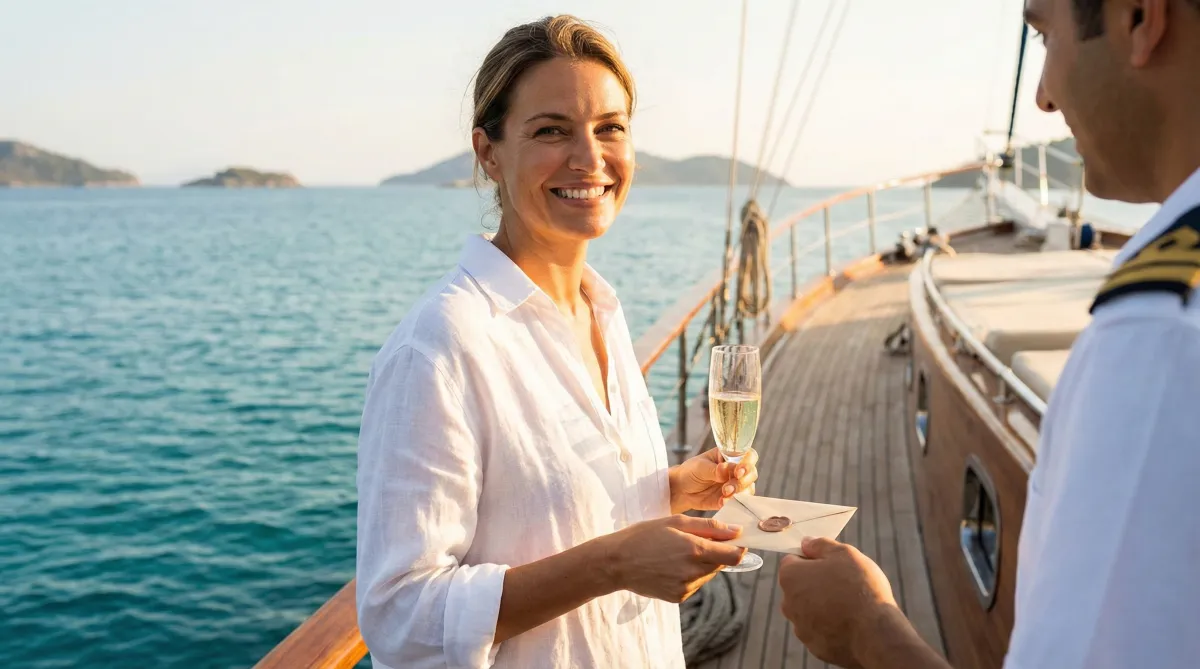
The captain is responsible for navigation and the safe operation of the boat within the applicable rules and the agreed itinerary. The captain monitors conditions and may change the route, anchorage or timing when weather, sea state, port access or local restrictions require it.
Crewed Gulet?
Get insider tips and route suggestions
Ask who the captain is, which documents and qualifications apply to the vessel and flag, and how the company handles route changes. A promise to visit a particular secluded bay is not a substitute for a weather-based plan.
The captain can also provide local context about bays, ports and shore visits, but access is never guaranteed. Anchoring, landing, swimming and visiting archaeological or protected areas may be subject to current rules and conditions.
The Chef or Galley Team
Some gulets carry a dedicated chef; on others, meal preparation is one of several duties handled by a crew member. The charter agreement should state whether meals, drinks, provisions and galley service are included.
Discuss menu planning before arrival. Share allergies, intolerances, religious or ethical dietary requirements and dislikes in writing. Vegetarian, vegan, gluten-free and other options may be possible, but availability depends on the provisioning plan, route and advance notice.
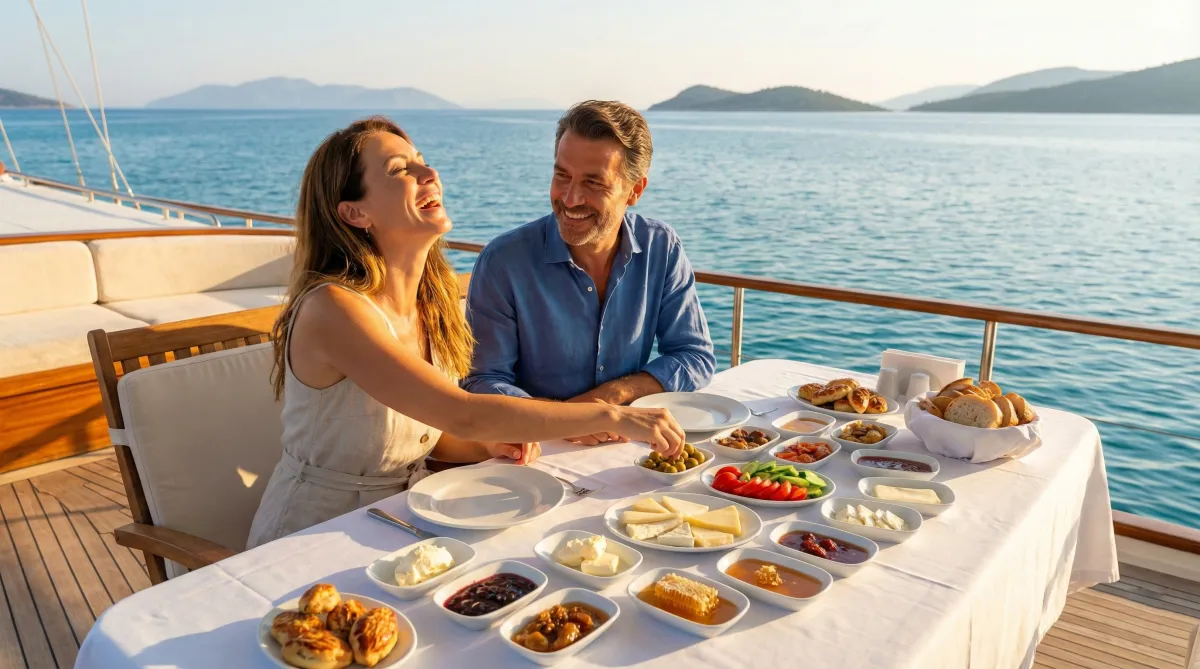
A Turkish-style menu may include bread, cheese, olives, seasonal vegetables, seafood, salads, rice, grilled dishes and regional desserts. The actual menu depends on the chef, season, provisions and guest preferences.
Deck, Engineering and Service Roles
Deck crew may assist with mooring, anchoring, tender operations, deck maintenance and approved water activities. Engineering responsibilities depend on the boat's systems and crew structure. Service staff may support meals, cabins and common areas according to the package.
Do not assume that laundry, daily cabin cleaning, polished table service, childcare, spa treatments or every water-sports item is included. Ask the operator to list the service frequency, available equipment, additional charges and safety conditions.
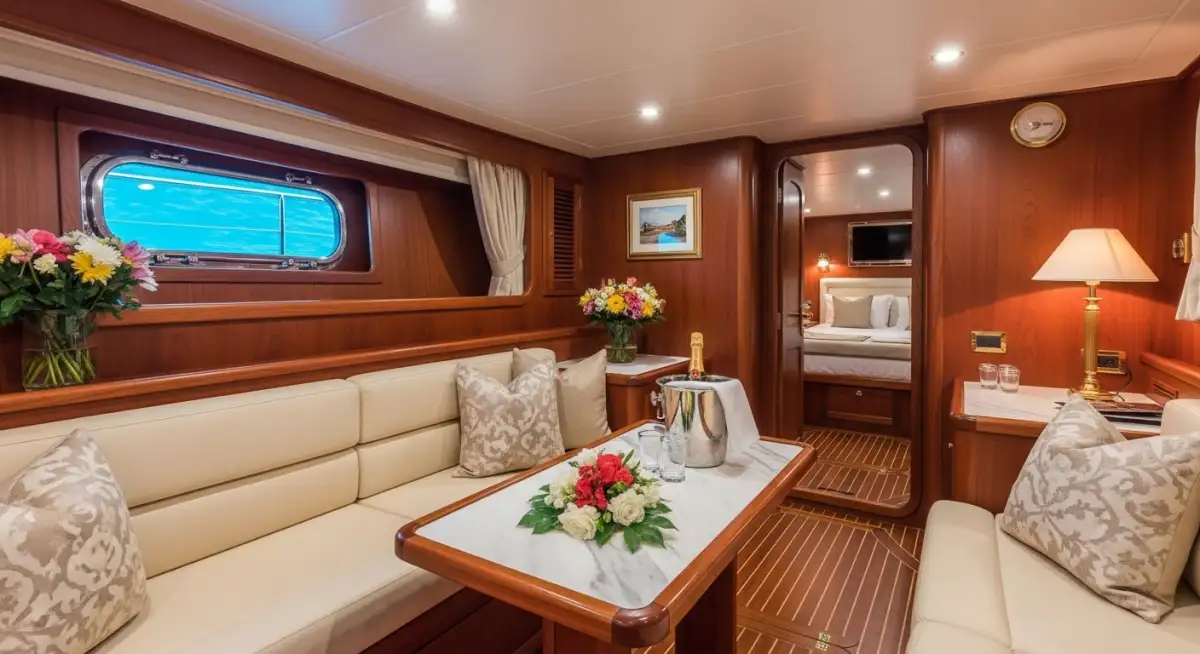
Understanding Charter Costs
There is no reliable universal daily price for a crewed gulet. Cost changes with the boat, dates, route, guest count, crew, cabin specification, fuel use, provisioning, marina fees and requested services. Treat online figures as examples only and request a current written offer.
Compare offers by separating the base charter fee from operating expenses and optional services. A lower headline price may exclude provisions, fuel, port fees or taxes; a higher price may include more of those items.
Cost Comparison Checklist
| Cost area | Questions to ask | What can change it? | Record in the offer |
|---|---|---|---|
| Base charter | Which boat, dates, cabins, crew and embarkation port are included? | Boat size, season, availability and route | Exact boat name and contract dates |
| Fuel and operating costs | Are fuel, water, electricity, marina and port fees included? | Engine hours, distance, ports and weather | Included amount or calculation method |
| Food and drinks | Are meals, soft drinks, alcohol and provisions included? | Menu, guest needs, brands and provisioning route | Menu plan and excluded items |
| Extras and deposits | What applies to transfers, water sports, excursions, cleaning and damage deposit? | Requested services, equipment and contract terms | Payment dates, refund rules and deposit process |
The booking contract should identify the boat, charter period, payment schedule, included services, exclusions, cancellation terms, security deposit and the process for weather-related changes. If a term is unclear, ask for a written explanation before paying.
Common Additional Costs
Fuel, port and marina fees may depend on actual use and route. Provisioning may be charged separately or managed through an agreed allowance. Transfers, guided visits, special equipment, premium drinks, internet arrangements and extra cleaning can also be separate.
Tips are discretionary recognition of service, not a universal mandatory percentage. Ask whether the operator has a local tipping practice and whether the contract says anything about gratuities. Give feedback through the captain or company rather than treating a fixed percentage as a guarantee of service.
Weekly Charter Planning
A weekly charter can offer time for a route with swimming stops, shore visits and slower mornings, but the feasible itinerary depends on the boat and weather. A gulet cannot safely promise every bay, island and ancient site in one week.
Ask for a primary route and a weather alternative. Confirm whether the boat returns to its departure port, whether a one-way route is available, how fuel and port fees are calculated, and whether international ports require additional formalities.
Traditional wooden gulets can provide generous deck areas and individual cabins, but dimensions, cabin count, bathrooms, air conditioning, draft and accessibility differ. Read the technical specification and request current photographs or a video tour when the layout matters.
Daily Life Aboard Your Crewed Gulet
A normal day may start with breakfast, followed by a short passage or a swim stop. The captain decides the practical schedule after reviewing the weather, sea state, anchorage and port plan.
The crew may prepare meals, launch or recover the tender and set up approved water activities. Guests should ask about lifejackets, supervision, equipment limits and whether a qualified instructor is required for a particular activity.
Evening arrangements can include anchoring, a marina berth or a shore visit. Noise, lighting, waste, anchoring and landing must follow local rules and the captain's instructions. A calm bay is not automatically available or suitable on every night.
Swimming and shore access depend on sea state, anchorage, local restrictions and guest ability. Follow the crew's instructions and do not enter the water until the captain confirms it is appropriate.
Communication with Your Crew
Agree on the working language and the easiest way to share requests before boarding. A short written guest profile can include dietary needs, mobility information, preferred activities, sleep requirements and important medical information.
Raise concerns early. If a meal, cabin service, equipment request or shore plan does not match the agreement, tell the captain or charter contact so it can be addressed while the boat is operating.
Respect crew working and rest periods. A professional relationship is clearer when guests understand which services are included, which requests need advance notice and which decisions belong to the captain for safety reasons.
Traditional Gulet Heritage
GoTürkiye describes gulets as wooden sailing vessels traditionally built along Türkiye's coast that evolved into motor/sail yachts. They are associated with Blue Voyage routes and are commonly found around Bodrum, Marmaris and Fethiye.
The word “gulet” is used for a range of designs rather than one universal layout. Regional builders and individual owners may use different hull shapes, deck plans, cabin arrangements and materials.
Many modern gulets combine a broad outdoor deck and dining area with private cabins, but the number of cabins, bathroom configuration, air conditioning, water capacity and accessibility must be checked for the specific boat.
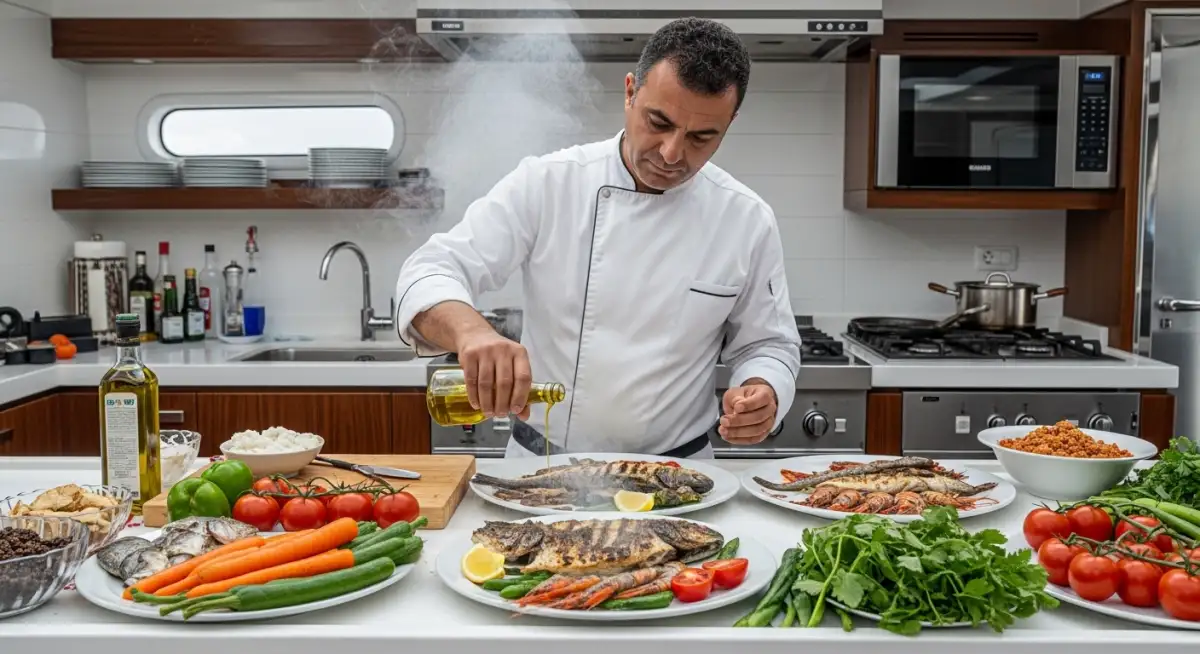
Menu Planning and Food Quality
Food quality depends on the chef, provisions, route, season and agreed budget. Coastal markets may support fresh local ingredients, but the crew cannot guarantee a particular catch, product or restaurant-style menu every day.
Agree whether the charter uses full board, half board, a provisioning allowance or separate meal charges. Clarify drinks, alcohol, bottled water, coffee, snacks, children’s meals and special-diet ingredients.
Sample menu categories can include:
- Breakfast: bread, cheese, olives, eggs, fruit, tea or coffee
- Lunch: salads, vegetables, seafood or grilled dishes, depending on availability
- Dinner: regional recipes, meat or fish options and a seasonal dessert
Send dietary requirements before the provisioning deadline. Severe allergies should be discussed with the operator, chef and captain so the practical limitations and cross-contamination risks are understood.
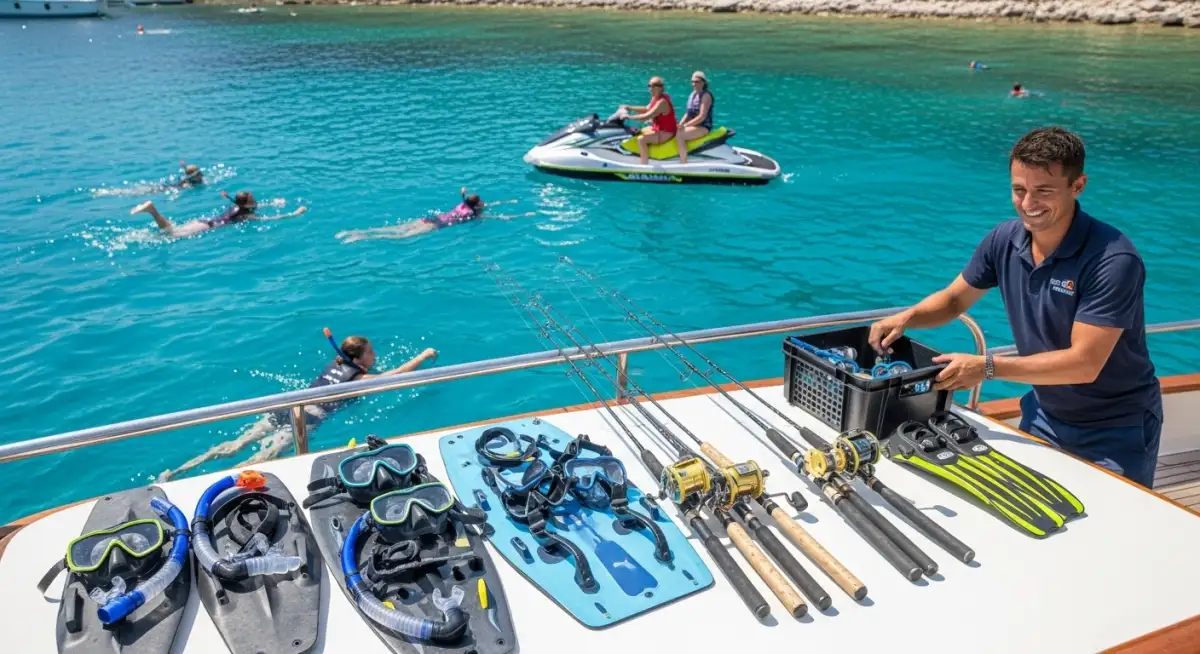
Special Requests and Activities
Special occasions can often be arranged, but decoration, cakes, photographers, musicians, transfers and private guides may require separate planning and fees. Put the request and the responsible supplier in writing.
Water-sports equipment varies by boat and may include masks, fins, fishing gear, a paddleboard, a kayak or a tender. Availability, insurance, weather, age limits and local rules apply. Motorised equipment may require additional authorisation or supervision.
Shore excursions to historical sites can be added when the route and opening arrangements allow. Ask who books transport and guides, whether entrance fees are included and how the excursion changes if the boat cannot anchor or the weather turns.
Photography and filming should respect residents, private property, protected areas and archaeological rules. A crew can suggest timing and viewpoints but cannot guarantee access, light or sea conditions.
Recognising Crew Service
There is no single international tipping rate for every gulet charter. If you wish to tip, use the written operator guidance, local practice and your assessment of the service. Ask whether tips are pooled and how they should be delivered.
Cash may be practical, but confirm the preferred currency and whether the company accepts another arrangement. A gratuity should never replace a clear complaint or a contractual payment.
Discuss service concerns during the charter. The captain or charter company should have a process for addressing issues with meals, housekeeping, equipment or itinerary decisions.
Choosing a Charter Company
Ask the operator for the exact boat, company details, insurance information, contract, cancellation terms and contact person. Check that the offer identifies who is responsible for the vessel, crew, payments, provisioning and excursions.
Do not assume that a company owns every yacht it advertises. Ask whether the boat is owned, managed, represented or brokered, and who will resolve a maintenance or service problem during the charter.
Compare current documentation and a vessel-specific specification rather than relying on generic claims about fleet size, training or service standards. Reviews can provide context, but they do not replace the contract or a current boat inspection.
For a Turkish gulet charter, confirm the departure port, flag, registration, permitted use, insurance and any local or international route formalities with the operator and relevant authorities.
Safety and Professional Standards
Türkiye's Directorate General for Maritime Affairs states that ship operators and maritime activities are subject to professional requirements, registration, permits, technical qualifications, inspections and minimum safety conditions. Ask which documents apply to the specific boat and operation.
The IMO STCW Convention establishes minimum international standards for seafarer training, certification and watchkeeping. The exact qualification required depends on the role, vessel, flag and applicable rules; marketing copy alone is not evidence of a certificate.
Before departure, the crew should explain lifejackets, emergency exits, fire equipment, communication, first aid, toilets, waste systems, tender use and the procedure for calling for help. Follow the captain's instructions about weather, anchoring, swimming and water activities.
Ask how the operator handles medical emergencies, evacuation, engine failure, severe weather, route changes and guest complaints. Safety equipment and inspection details should be confirmed for the actual vessel, not assumed from the category “gulet”.
Making Your Booking Decision
A crewed gulet may suit you if:
- You prefer the crew to handle navigation and daily boat operations
- Your group includes guests without sailing experience
- You want meals and onboard services arranged in advance
- Local route knowledge is more important to you than bareboat independence
Compare another option if:
- Your budget does not cover the complete quoted package
- You want to sail and navigate the boat yourself
- Your group requires a level of privacy or accessibility the specific gulet cannot provide
Book after checking the actual boat, dates and cancellation terms. Popular dates can reduce availability, but early booking is not a guarantee of a better price.
Provide accurate guest numbers and requirements. The contract should specify included services, payment milestones, deposits, exclusions and the process for changes before and during the charter.
Do not send a deposit until the company has identified the payment recipient, contract, refund conditions and the documentation you need to review.
Conclusion
A crewed gulet charter can combine a traditional Turkish boat, professional navigation support, shared meals and time on the coast. The experience is strongest when the boat, crew, route and service package are matched to the group rather than described with universal promises.
From route decisions to meals and water activities, the crew supports the agreed onboard experience while the captain retains responsibility for safe navigation decisions. Guests should clarify costs, disclose needs early and respect local rules.
Choose a gulet after comparing its specification, contract, crew arrangement, safety information and current availability. A clear offer is more useful than a headline promise of perfect service.
References
- GoTürkiye – Turkish Gulets – Official tourism information about gulet design, regional construction and common layouts.
- GoTürkiye – Blue Voyage – Official context for gulet-based coastal routes and tailor-made Blue Voyage programs.
- Republic of Türkiye Ministry of Transport and Infrastructure, Directorate General for Maritime Affairs – What We Do – Operator responsibilities, registration, permits, inspections and safety conditions.
- Republic of Türkiye Ministry of Transport and Infrastructure, Directorate General for Maritime Affairs – Recognition of the STCW Certificate – Recognition framework for seafarer certificates.
- Republic of Türkiye Ministry of Transport and Infrastructure – Seafarer Certificate Verification – Official seafarer information and verification portal.
- International Maritime Organization – STCW Convention – International minimum standards for training, certification and watchkeeping.
- International Maritime Organization – Maritime Safety – International safety regulations and the SOLAS framework.
- MYBA – The Worldwide Yachting Association – What is MYBA – Professional association context and charter-contract practice in the yachting industry.
This article was last updated on August 11, 2026.
I have over ten years of experience in luxury yacht charters. I focus on creating amazing sailing experiences along the Turkish Riviera. As the CEO of De Yachting since 2010, I have managed many successful charters. I know Turkey's most beautiful coastal spots very well.
Areas of Expertise
Have questions about yacht chartering?
Feel free to reach out directly