
Introduction to Symi's Wildlife
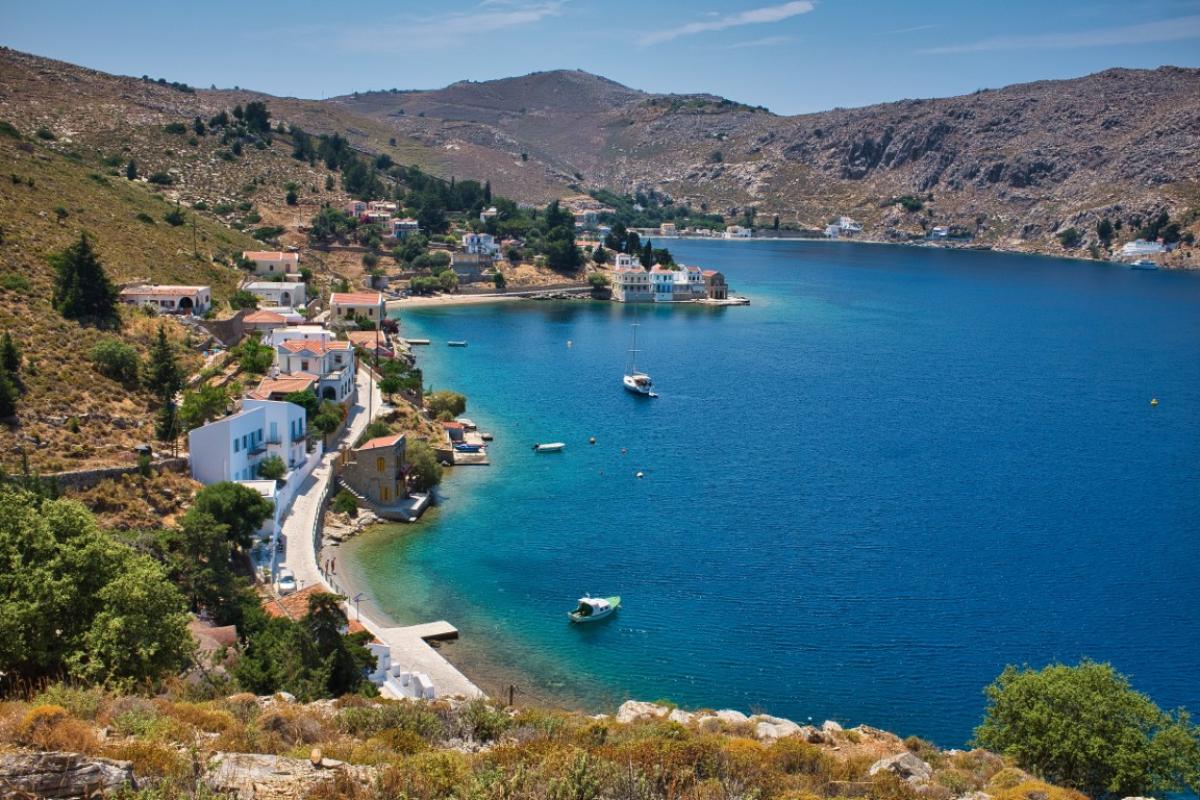
Symi is a rocky Greek island in the Dodecanese, known for its villages, dry hillsides, stone walls and small cultivated areas. That landscape supports a varied reptile community, and published field studies have documented several snake species on the island.
One important point is that a general Greek snake list is not the same as a confirmed Symi species list. The records below focus on snakes documented in Symi or in recent Dodecanese research.
Snake Species Documented on Symi
| Species | What the research supports | Practical visitor note |
|---|---|---|
| Black whip snake (Dolichophis jugularis) | Recorded on Symi; the Rhodes Archipelago population is treated as D. jugularis zinneri in later taxonomic work. | A large wild snake should always be watched from a safe distance. |
| Ring-headed dwarf snake (Eirenis modestus) | Recorded on Symi and associated with bushes and areas under stones. | Do not lift stones or handle a snake to identify it. |
| Coin snake (Hemorrhois nummifer) | Recorded on Symi; its markings can resemble those of a viper. | Do not identify a snake from a quick visual impression. |
| Cat snake (Telescopus fallax) | Included in recent Dodecanese records for Symi and generally associated with nocturnal activity. | Leave it undisturbed, especially around walls and buildings at night. |
| Ottoman viper (Montivipera xanthina) | Documented on Symi; the recent Dodecanese review identifies it as the snake in the archipelago that can pose a danger to people because of its venom. | Give it a wide berth and never attempt to move or photograph it at close range. |
Older Symi field notes also recorded the large black whip snake, the coin snake, the ring-headed dwarf snake and the Ottoman viper. Taxonomy and distribution records can be updated as new surveys are published, so this article should be read as a practical guide rather than a complete permanent checklist.
Are Snakes on Symi Dangerous?
Most snakes encountered in Greece are not medically significant to people, but it is not accurate to say that Symi has no snake capable of causing serious harm. The Ottoman viper (Montivipera xanthina) has been reported on Symi and is the species visitors should treat as a genuine safety concern.
Encounters are uncommon and snakes generally avoid people, but a frightened or cornered animal may defend itself. The safest response is simple:
- Stop and give the snake plenty of space.
- Do not touch, corner, chase or try to move it.
- Stay on established paths and wear closed, sturdy shoes when walking over rocky ground.
- Keep children and pets away from stone piles, dry walls and dense vegetation.
- If a bite occurs, seek emergency medical help immediately rather than waiting for symptoms.
Never rely on colour or body shape alone to decide whether a snake is harmless. Some non-venomous species can resemble vipers, and a quick view is not enough for reliable identification.
Beyond Snakes: Symi's Reptile and Marine Life
Symi's biodiversity is not limited to snakes. Field studies have recorded lizards, geckos, tortoises, amphibians and other reptiles across the island's rocky, dry and cultivated habitats. The surrounding Dodecanese also supports varied marine and bird life, although sightings depend on season, weather and location.
Rocky Habitats and Stone Walls
Dry stone walls, rock screes, fields and scrub can provide shelter for reptiles. Walk carefully, avoid turning over rocks, and do not remove animals from their habitat for photographs.
Snakes on Symi?
Get insider tips on Symi's hidden gems
Coastal and Marine Habitats
The island's coastal environment is part of a wider Aegean ecosystem. Visitors can enjoy the landscape without disturbing wildlife by keeping waste with them, avoiding unnecessary noise around animals and leaving shells, plants and other natural objects where they are found.
Respecting Symi's Wildlife
Wildlife protection starts with small choices. Keep to paths where possible, avoid disturbing nesting or sheltering animals, and do not collect reptiles, eggs, plants or stones. Habitat protection and species monitoring are important across Europe, but the conservation status of a particular site should always be checked against current local information.
Planning a Wildlife Walk on Symi
Wildlife sightings are never guaranteed. Warm, calm periods may make some reptiles easier to notice, while nocturnal species require different conditions and should not be searched for by disturbing walls or rocks.
- Carry water and wear shoes suitable for uneven, rocky ground.
- Bring binoculars for birds and observe all wildlife without approaching it.
- Ask a local guide about current paths, access restrictions and sensitive habitats.
- Use a camera with a zoom rather than moving closer to an animal.
Conclusion
Symi is home to a documented and varied reptile community, including several harmless snake species and the Ottoman viper. The most useful fact for visitors is not a memorized species list but a safe approach: observe from a distance, avoid handling wildlife and treat any unidentified snake with caution.
From dry stone walls and rocky hillsides to the clear waters around the island, Symi rewards careful observation. Respecting its wildlife helps preserve the island's natural character for future visitors.
References
- British Herpetological Society – Herpetological Notes on the Dodecanese Islands of Chalki and Symi, Greece – Field observations and species records from Symi.
- Biodiversity Journal – Update on the Herpetofauna of the Dodecanese Archipelago – Recent taxonomy, distribution and safety context for Dodecanese reptiles.
- Wilson & Grillitsch – The Herpetofauna of Simi (Dodecanese, Greece) – Study of the island's amphibian and reptile fauna.
- Amphibian & Reptile Travels – Snakes of Greece – Field reference with Dodecanese observations, including Symi.
- European Commission Biodiversity Information System – Natura 2000 – Background on European habitat and species protection.
This article was last updated on August 10, 2026.
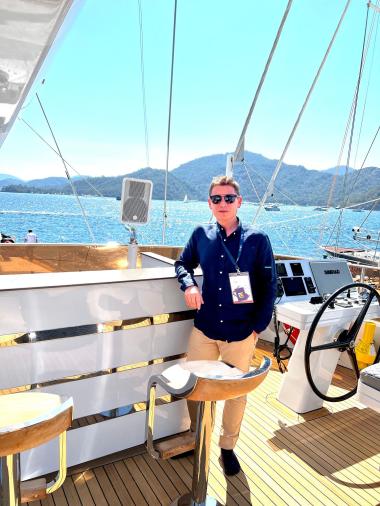
I have over ten years of experience in luxury yacht charters. I focus on creating amazing sailing experiences along the Turkish Riviera. As the CEO of De Yachting since 2010, I have managed many successful charters. I know Turkey's most beautiful coastal spots very well.
Areas of Expertise
Have questions about yacht chartering?
Feel free to reach out directly