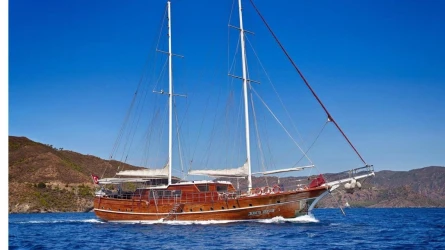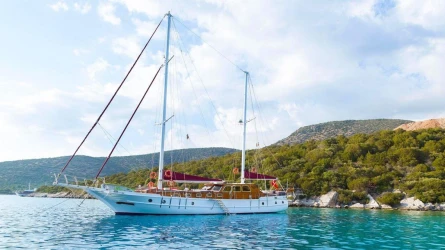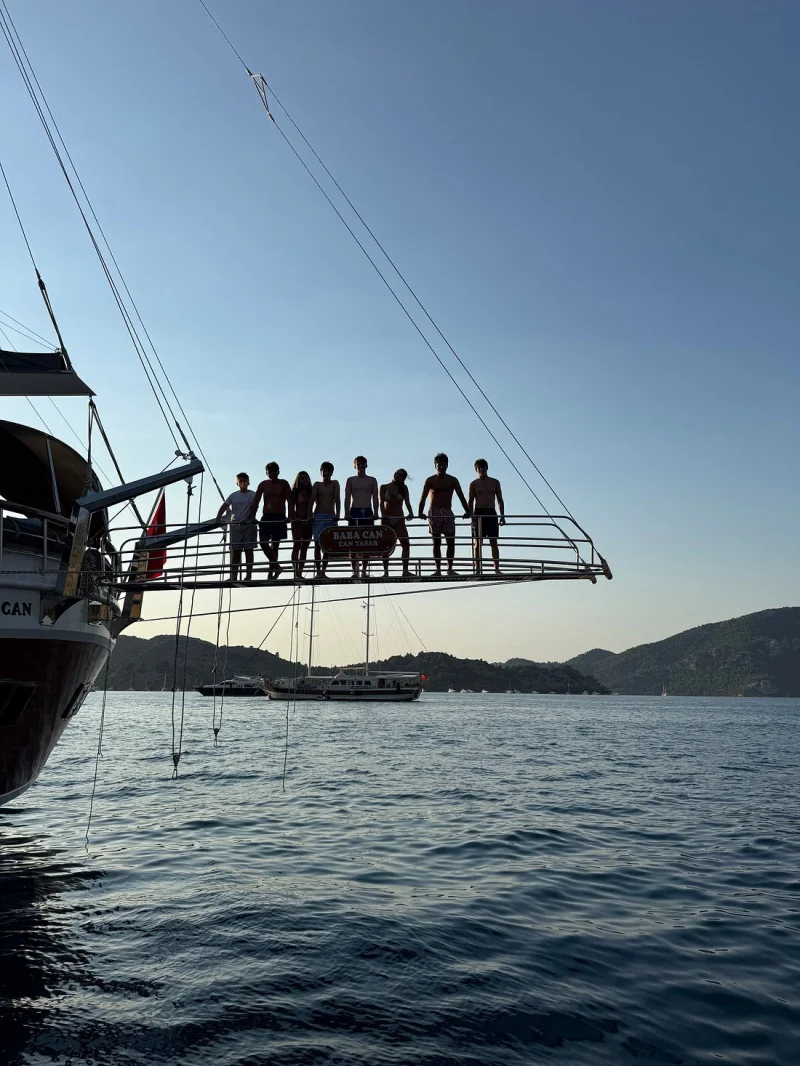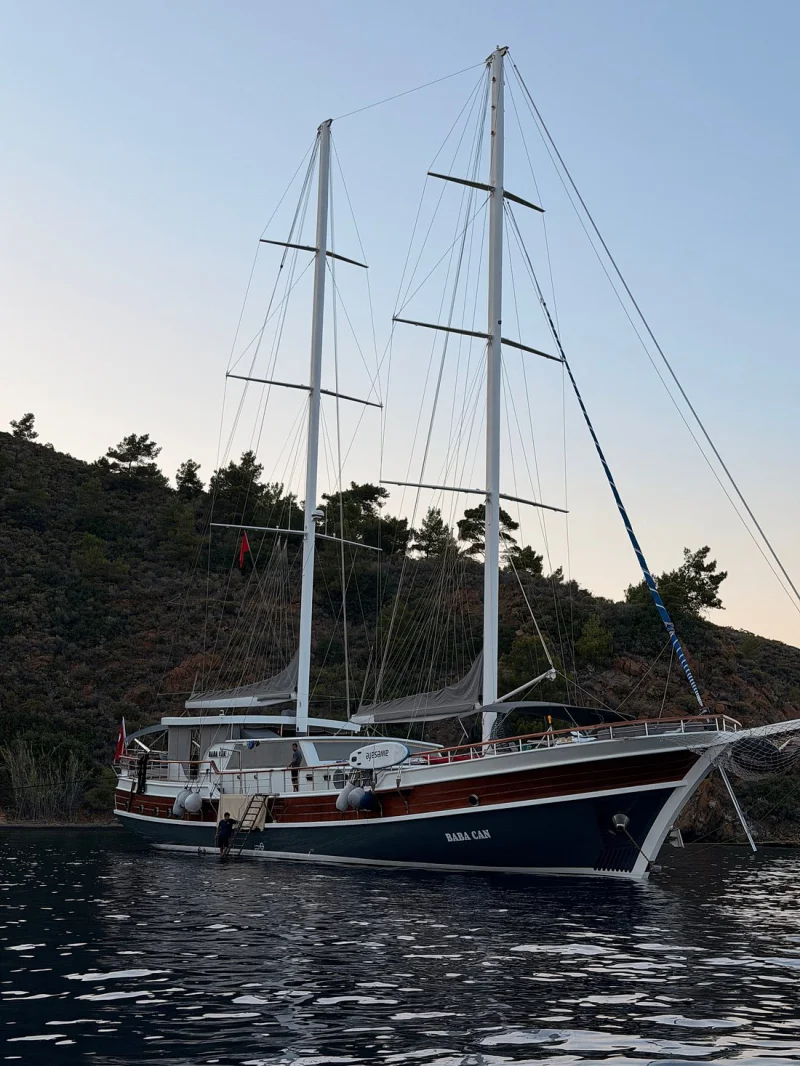


Choosing the right time for a gulet cruise in Turkey means balancing weather, sea conditions, availability, budget and the activities your group actually wants. Conditions vary between the Aegean and Mediterranean coasts and can change within the same month, so use seasonal patterns for initial planning and confirm the forecast and route with the operator.
Türkiye's Blue Voyage routes connect coastal towns, bays, beaches and historic sites. GoTürkiye identifies Bodrum, Marmaris and Fethiye as important gulet areas, while different routes offer different exposure to wind, open water, sheltered bays and shore excursions.
Summer is often associated with warm-weather swimming and a busier tourism calendar. Spring and autumn can offer a different balance of temperatures, availability and sightseeing conditions. The best month depends on whether your priority is swimming, quiet anchorages, cultural visits, lower demand or a particular event.
This guide uses practical planning categories rather than promising weather certainty or a universal best season. A gulet is a specific vessel with its own schedule, facilities, crew, cancellation terms and operating limits; check those details before you pay a deposit.

Peak Summer: July and August Planning
July and August are commonly treated as high-demand months for Turkish coastal holidays. They may suit groups looking for long daylight hours, swimming and a full range of open-season shore services, but heat, demand, prices and traffic can be higher than outside the main season.
Do not assume that every bay will be calm or every service will be available exactly as advertised. Wind, swell, local traffic, anchoring restrictions and the captain's safety assessment can change the daily programme.
Popular boats and preferred cabins may be reserved earlier in high-demand periods. Instead of relying on a percentage premium, compare an itemised quote for the same boat, route, dates, inclusions, fuel policy, meals, port fees and taxes.
Best Time for Gulet Cruise?
Get insider tips on Turkey's coast
Ask how the operator handles heat, drinking water, shade, air conditioning, medical needs and route changes. The words “luxury” or “premium” do not replace checking the actual vessel and contract.
Shoulder Seasons: May, June, September and October
May, June, September and October are often considered useful shoulder-season options, but conditions vary by coast and year. They can appeal to travellers who want a compromise between warm-weather activities, sightseeing and potentially lower demand than the busiest summer weeks.
Availability and rates are not fixed. Ask the operator for current boat choices and an itemised quotation, then compare what is included rather than assuming that a shoulder-season trip automatically costs less.
Historical sites and inland excursions may be more comfortable when daytime heat is lower, while swimming suitability depends on water temperature, wind, personal preference and the facilities on the boat.
Spring and autumn weather can change quickly. Keep alternative bays and shore plans available, and confirm whether the charter allows the captain to alter the route without treating a safety-related change as a service failure.
Spring Gulet Cruises: March to May
Early-season cruises can offer greener landscapes, seasonal flowers and a quieter atmosphere in some destinations. They can also bring cooler water, changing winds, rain and fewer open shore services, particularly at the beginning of the season.
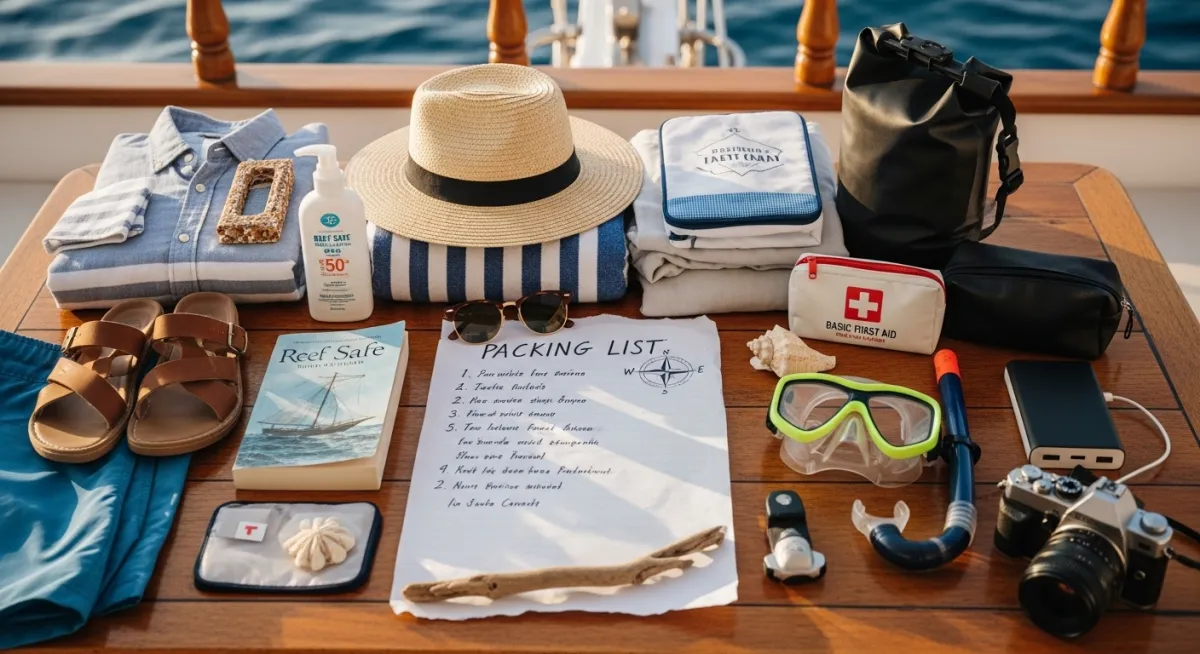
Do not use a single coastal temperature range to plan clothing or swimming. Check the current forecast, local marine conditions and the operator's planned route. Bring layers, rain protection and an alternative plan for days when sea conditions limit movement.
Before booking an early-season trip, ask whether the gulet is fully operational, which cabins and amenities are available, whether heating or air conditioning is provided, and how provisions and port services are handled.
Spring can work well for cultural and nature-focused itineraries when the group accepts that weather may be less predictable than in the main summer period.
Autumn Gulet Cruises: September to November
Autumn can combine residual summer warmth with changing demand, but September, October and November are not interchangeable. The later the season, the more important it becomes to check rainfall, wind, daylight, water temperature, operating dates and shore-service availability for the selected coast.
September may still feel like a summer holiday in some areas, while later autumn trips may suit groups that prioritise quiet coves, cultural visits and flexible shore activities over guaranteed swimming conditions.
Local events and markets can enrich a route, but they should be verified for the exact year and port. Ask whether the itinerary can include a shore visit without creating an unsafe schedule or excessive night navigation.
Autumn weather is not automatically stable. The captain should use current marine forecasts and vessel-specific limits when deciding whether to sail, anchor, remain in a bay or change course.

Understanding Turkish Gulets
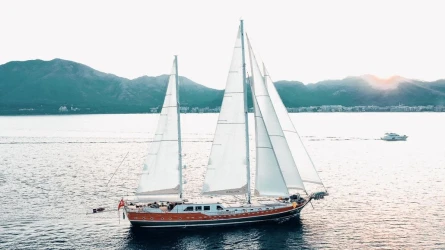
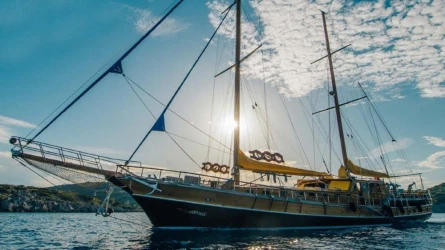
Gulets are wooden sailing vessels traditionally built along Türkiye's coast and developed into motor-sail yachts. GoTürkiye describes regional differences in their construction and highlights Bodrum, Marmaris and Fethiye as important gulet areas.
Cabin count, deck arrangement, propulsion, air conditioning, bathrooms, water sports equipment and meal service vary by vessel. Do not apply a generic length, capacity or comfort claim to the gulet you are considering; ask for the actual boat specification and passenger limit.
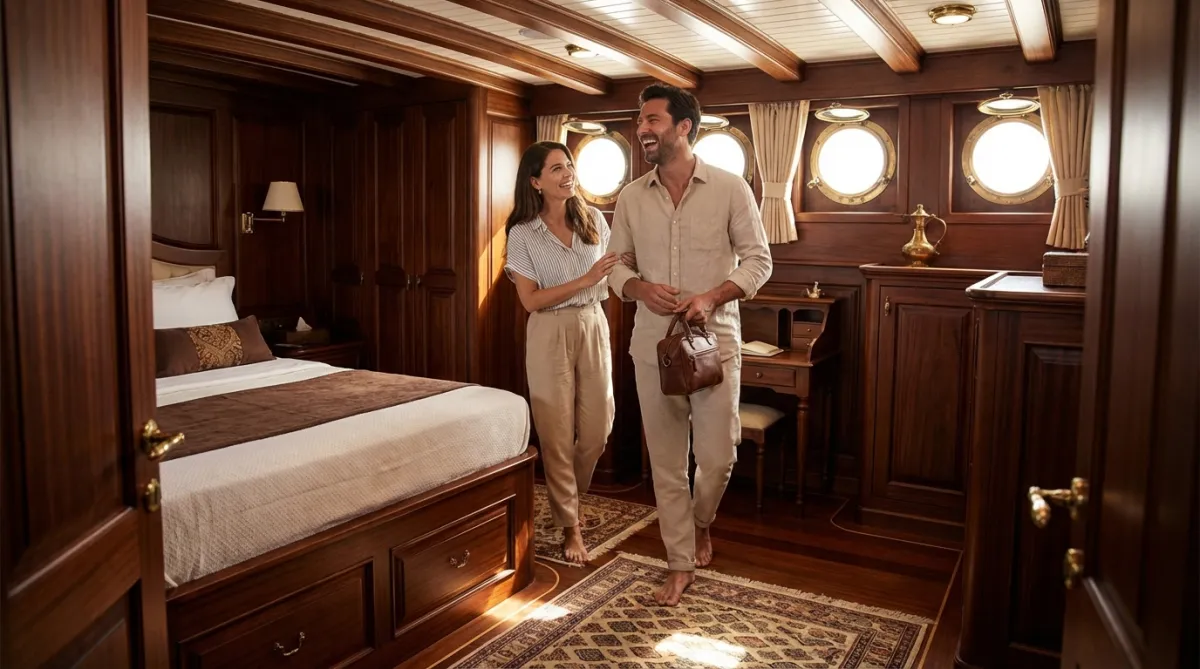
A gulet is a moving accommodation base that can connect several coastal stops, but it is not a hotel with a fixed operating environment. Cabin access, power, freshwater, noise, motion, storage and privacy can differ from a land-based stay.
Gulets may use both sails and engines. The captain decides how the vessel is operated based on wind, route, safety, schedule and the vessel's capabilities. Sailing appearance does not guarantee that every leg will be under sail.
Cost and Booking Guidance
How much does a gulet cruise cost? A useful answer requires the boat, dates, route, group size and inclusions. Quotes may include or exclude fuel, crew, meals, beverages, port fees, transit or agency services, taxes, transfers, water sports, towels, Wi-Fi, air conditioning and security deposit.
Ask for the currency, payment schedule, cancellation terms, weather policy, embarkation port, disembarkation time and extra-cost list in writing. Compare the total contract value rather than a headline daily price.
Group size changes the per-person result, but a larger group is not automatically better value. Confirm cabin allocation, maximum occupancy, child policy, shared spaces, crew areas and whether the advertised rate assumes a full charter.
Booking early can improve boat and cabin choice during high-demand dates. Flexible travellers may find later availability, but a last-minute offer can have fewer routes, vessels or cabin categories. Neither timing guarantees a discount. For booking deadlines and typical discounts by season, see our early gulet booking guide.
Monthly Gulet Cruise Planning Table
| Period | Weather context | Sea temperature | Price level | Demand level | Potential fit |
|---|---|---|---|---|---|
| March–April | Early-season conditions can change quickly | Check current local water data | Request an early-season quote | Demand may be lower; verify operation dates | Flexible nature and culture trips |
| May | Spring travel with variable wind and rain | Confirm water temperature before swimming plans | Compare live availability and inclusions | Check demand for preferred cabins | Nature, culture and mixed activities |
| June | Longer days with rising heat possible | Check local forecast and sea conditions | Confirm dates, route and deposit terms | Demand can increase toward summer | Coastal activities and longer daylight |
| July | Hotter conditions and high-season planning | Check heat, wind, swell and water supply | Compare itemised high-season quotes | Higher demand is possible; reserve carefully | Fixed-date swimming-focused groups |
| August | Peak summer conditions vary by coast | Confirm current marine conditions and shade | Check total price and cancellation terms | Preferred boats may have limited availability | Groups accepting peak-season demand |
| September | Late-summer conditions can remain warm | Check wind, sea state and water conditions | Compare exact dates and route inclusions | Demand varies by port and calendar | Groups balancing swimming and sightseeing |
| October | Quieter planning with changing weather | Check rain, wind, daylight and water temperature | Confirm active season and full contract price | Availability may improve; verify services | Flexible coastal and cultural trips |
| November | Late-season weather needs close checking | Check storms, cooler water and daylight | Verify that the operator runs the route | Demand can be lower but route choice narrows | Culture-focused groups with flexibility |
Weather Patterns by Region
Türkiye's Aegean and Mediterranean coasts have regional differences in climate, terrain, wind exposure and rainfall. Western routes around Bodrum and Marmaris are not interchangeable with routes farther east around Antalya or Kaş.
If you want calm, sheltered water early or late in the season, the bays around Göcek are a common choice: see gulet charter in Göcek. For the Aegean side, a Bodrum gulet charter gives easy access to the Gökova Gulf.
Local wind systems can affect the comfort and direction of a trip. A forecast that looks favourable at the departure port may not describe conditions in an exposed bay or on the next leg. Ask how the captain receives marine forecasts and what route alternatives are available.
Pine-covered hills, bays and coastal mountains influence the experience at anchor, but scenery does not predict sea state. Treat historical climate information as background and use current marine warnings, forecast data and the captain's assessment for operational decisions.
The IMO guidance on adverse weather and sea conditions emphasises that ship response depends on the individual vessel, its stability, hull characteristics, speed and the actual sea state. This is why a responsible operator may change speed, course, anchorage or the day's programme.

Planning Your Trip Dates
Choose dates by ranking your priorities: swimming, quiet bays, cultural visits, hiking, diving, food, budget, fixed events or school holidays. No month suits every group or every coast in the same way.
Request the actual gulet name or specification, route outline, embarkation port, inclusions, crew details, passenger limit and weather-change policy before booking. Ask whether the boat can remain in a sheltered bay when conditions prevent the planned passage.
Island-hopping and multi-destination routes need more flexibility than a short coastal stay. Build in time for weather-related changes and avoid booking transfers so tightly that a safe late arrival becomes impossible.
If diving is part of the holiday, coordinate the final dive and flight schedule. Divers Alert Network publishes flying-after-diving guidance; follow current professional advice and leave an appropriate surface interval rather than planning a same-day flight immediately after diving.
Final Planning Notes
The right time for a Turkish gulet cruise depends on your priorities and the specific route. High summer may provide strong demand for swimming-oriented holidays but can also mean more heat, traffic and limited or higher-cost availability. Shoulder and off-season dates may offer a quieter format but require more flexibility around weather and services.
Gulet cruises can combine coastal scenery, historic places, swimming stops and onboard accommodation, but the experience depends on the actual boat, crew, contract and conditions. Verify those details instead of relying on promotional guarantees.
Plan with current information, keep alternatives open and let the captain and operator make safety-related changes when conditions require them.
References
- GoTürkiye – "Blue Voyage" https://goturkiye.com/aegean/blue-voyage – Official context on Turkish gulets, regional boat-building differences and Blue Voyage areas.
- GoTürkiye – "Turkish Gulets Blue Voyage Guide" https://goturkiye.com/bluevoyage/turkish-gulets – Official information on gulet design, cabins and common Turkish gulet regions.
- Turkish State Meteorological Service – "State of the Climate: Monthly" https://www.mgm.gov.tr/eng/monthly-climate.aspx – Official monthly climate information for seasonal background checks.
- Turkish State Meteorological Service – "City Forecasts" https://www.mgm.gov.tr/eng/forecast-cities.aspx – Official forecast source to check current local conditions.
- International Maritime Organization – "Revised Guidance to the Master for Avoiding Dangerous Situations in Adverse Weather and Sea Conditions" https://wwwcdn.imo.org/localresources/en/OurWork/Safety/Documents/Stability/MSC.1-CIRC.1228.pdf – Guidance on vessel-specific response and decision-making in adverse conditions.
- Republic of Türkiye Ministry of Transport and Infrastructure, Directorate General for Maritime Affairs – "Directorate General for Maritime Affairs" https://maritime.uab.gov.tr/ – Official maritime administration and safety context.
- Republic of Türkiye Ministry of Culture and Tourism, General Directorate of Investment and Enterprises – "Investment and Enterprises General Directorate" https://yigm.ktb.gov.tr/ – Official tourism investment, operation and certification context.
- Divers Alert Network – "Guidelines for Flying After Diving" https://dan.org/health-medicine/health-resource/health-safety-guidelines/guidelines-for-flying-after-diving/ – Guidance for coordinating post-dive air travel.
This article was last updated on October 21, 2026.
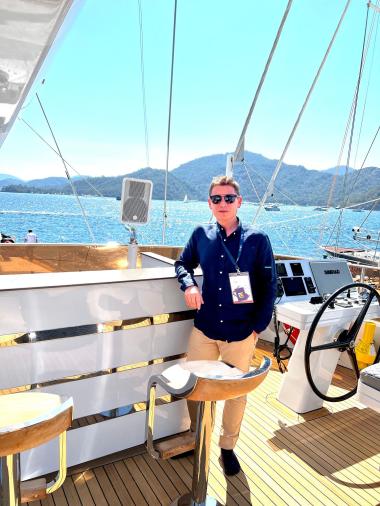
I have over ten years of experience in luxury yacht charters. I focus on creating amazing sailing experiences along the Turkish Riviera. As the CEO of De Yachting since 2010, I have managed many successful charters. I know Turkey's most beautiful coastal spots very well.
Areas of Expertise
Have questions about yacht chartering?
Feel free to reach out directly