
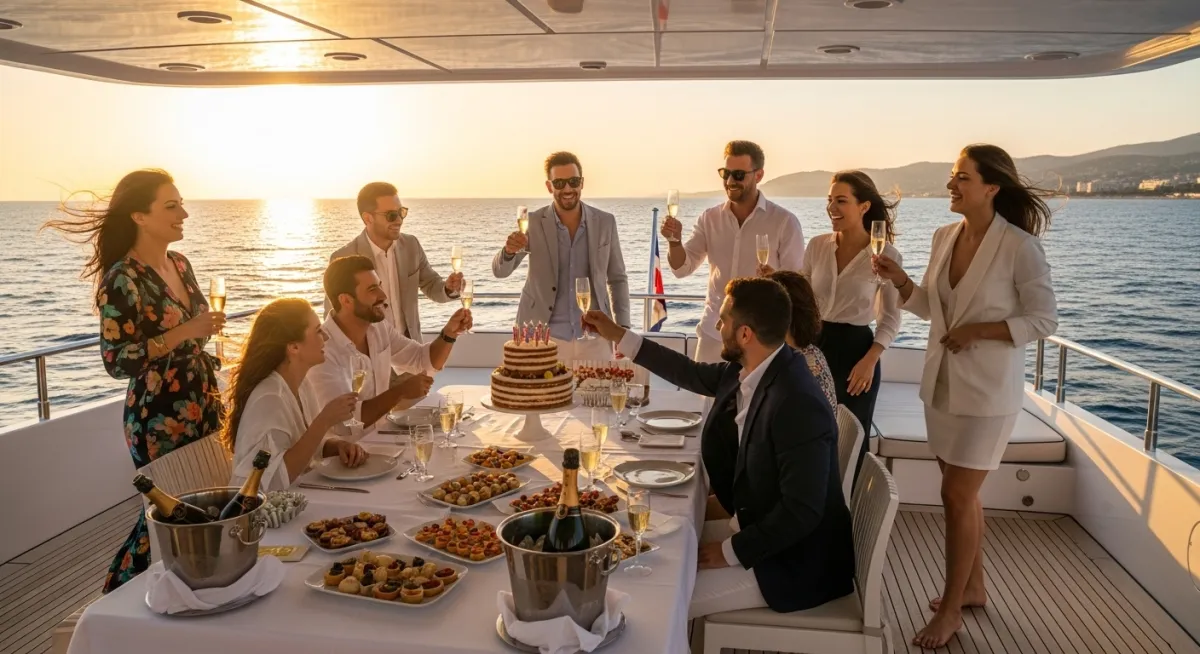
A yacht birthday party can combine a private boat, changing coastal scenery and a celebration planned around your group. The practical result depends on the vessel, passenger limit, route, weather, crew, catering plan and written charter agreement. Start by confirming those details before choosing decorations or entertainment.
A yacht is not simply a floating restaurant or event hall. Cabins, deck space, toilets, shade, sound systems, charging, access and emergency equipment vary by boat. Ask the operator what is actually available, what is included in the quote and which activities or suppliers need separate approval.
Planning a birthday on the water involves more than a theme. You also need a realistic guest list, a weather alternative, a safe food and drinks plan, suitable music levels, transfer arrangements and a clear payment and cancellation process.
Why Choose a Yacht for Your Birthday
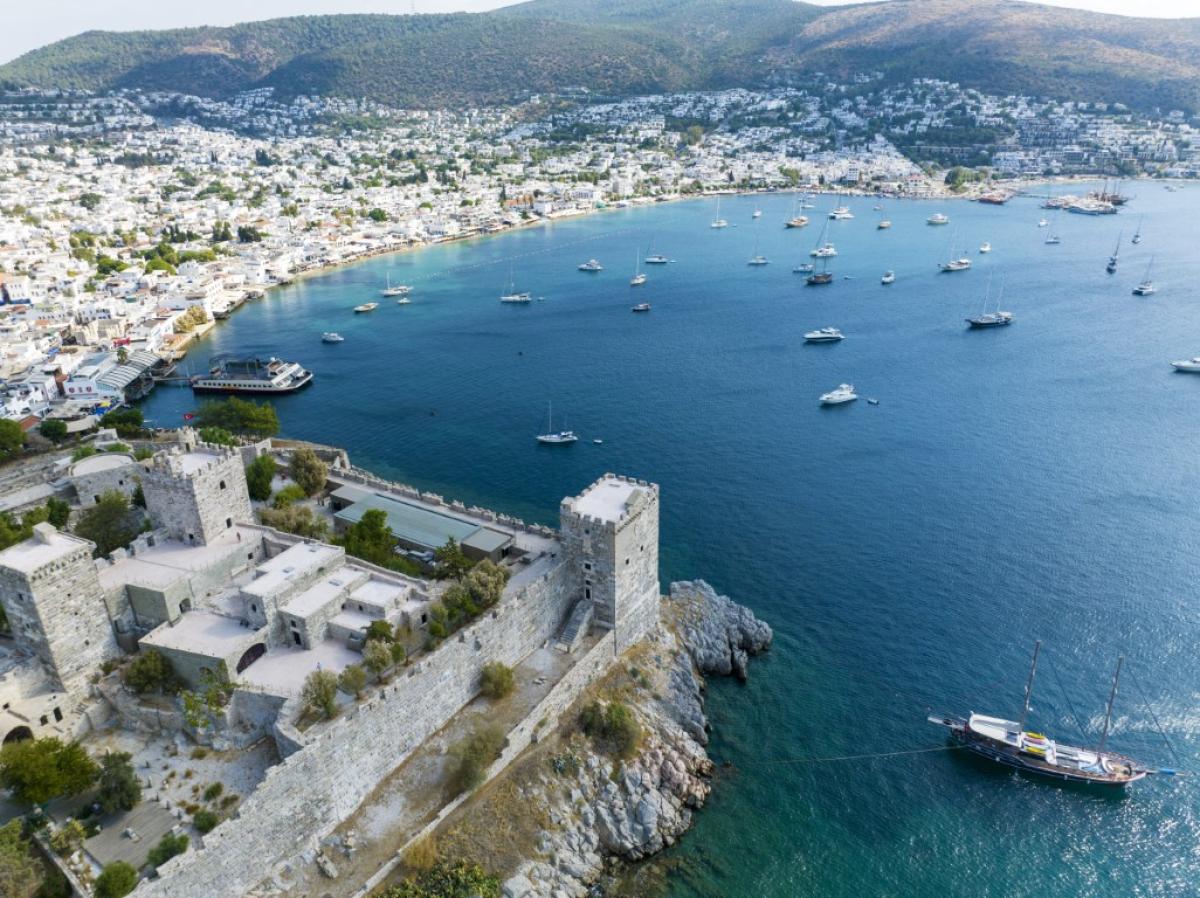
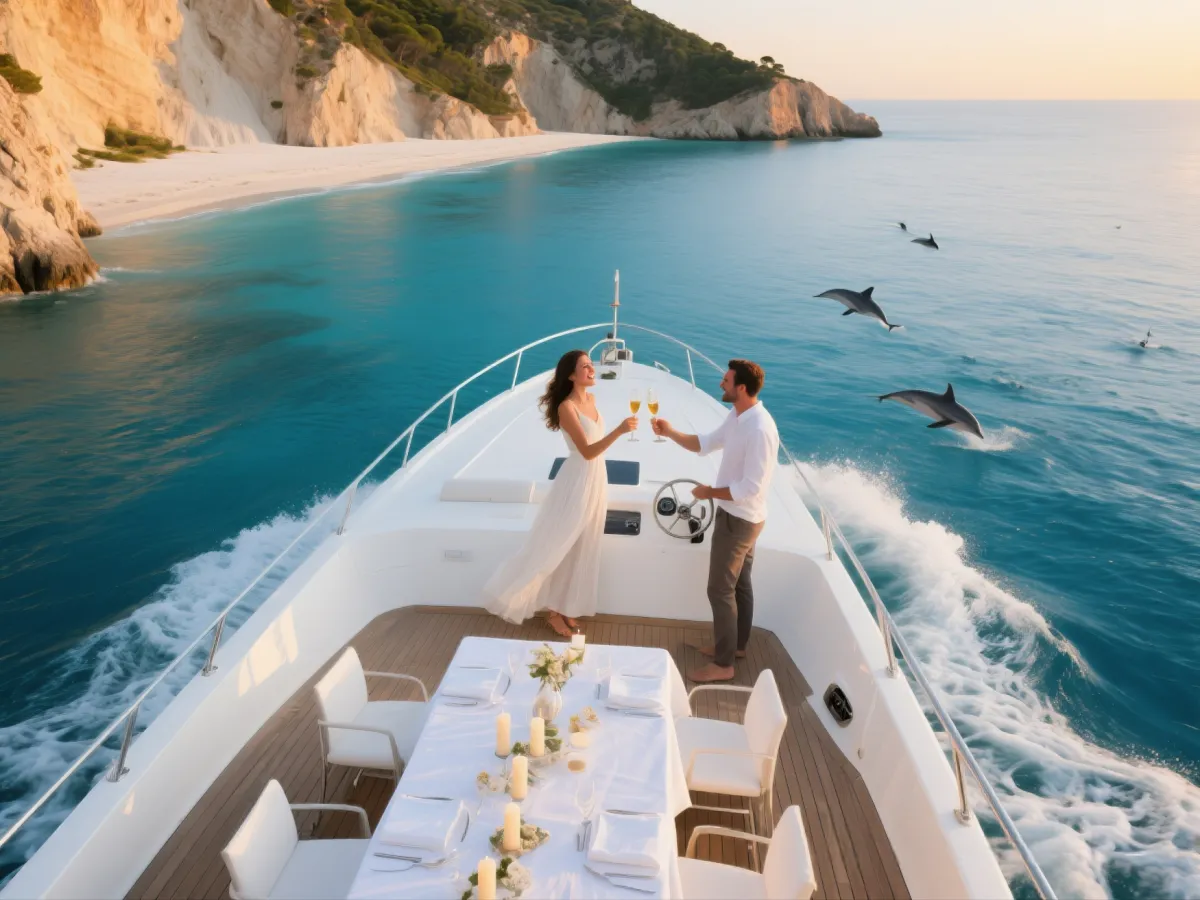
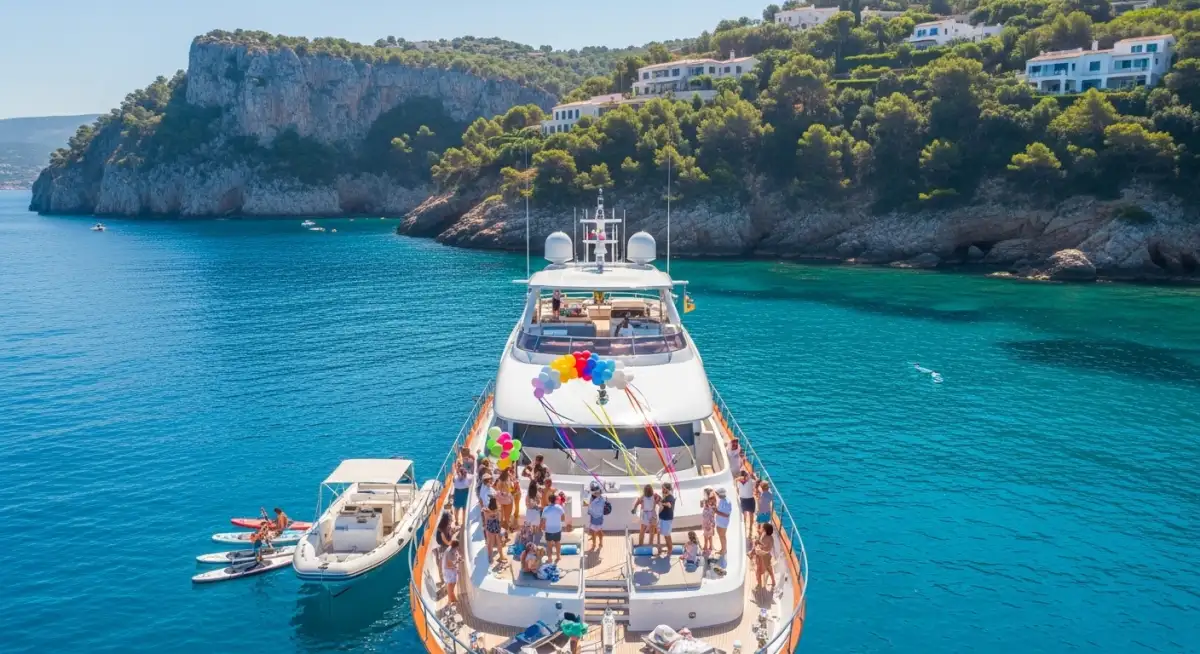
Yacht celebrations offer a moving setting with views of the coastline and access to the sea when conditions allow. A Turkish Blue Voyage can combine bays, shore visits and historical places, but the actual route is shaped by the boat, weather, anchorage and local rules.
Privacy is possible on a private charter, but it is not absolute. The crew still needs access to operate the boat, the vessel may share a marina or anchorage with other boats, and noise or landing rules can apply. Discuss the level of privacy, quiet areas and guest-only spaces in advance.
A birthday charter can create a special atmosphere without requiring a large production. A carefully chosen meal, a small decoration plan and a route that suits the group may work better than bringing equipment the boat cannot safely store or use.
The crew may handle navigation, mooring, meals or agreed service tasks. Confirm the crew's responsibilities and working hours rather than assuming that every yacht includes event planning, table service, photography, childcare or entertainment support.
Plan Your Dream Birthday
Get insider tips on unforgettable yacht birthday parties
Essential Planning Steps
Begin with the guest list. The number of people must stay within the vessel's certified or permitted capacity, and the layout must work for both seated meals and movement on deck. Overnight capacity and day-visit capacity are not interchangeable; ask for the limits that apply to your charter.
Set a budget using a vessel-specific written quote. Price can vary with boat size, date, route, fuel use, marina or port charges, crew, catering, drinks, transfers, decoration and requested equipment. Ask which taxes, provisions, deposits and optional services are included.
Choose dates with a backup plan. Wind, waves, heat, rain, wildfire risk, port access or local restrictions can change the route or prevent an event from proceeding as planned. Agree how the operator handles postponement, route changes, cancellation and refunds.
Choose a departure point that matches your guests and the planned route. Bodrum, Marmaris and Fethiye are associated with Blue Voyage itineraries, but the right port depends on boat availability, transfers, cruising time and the activities you want to include.
Choosing the Right Yacht
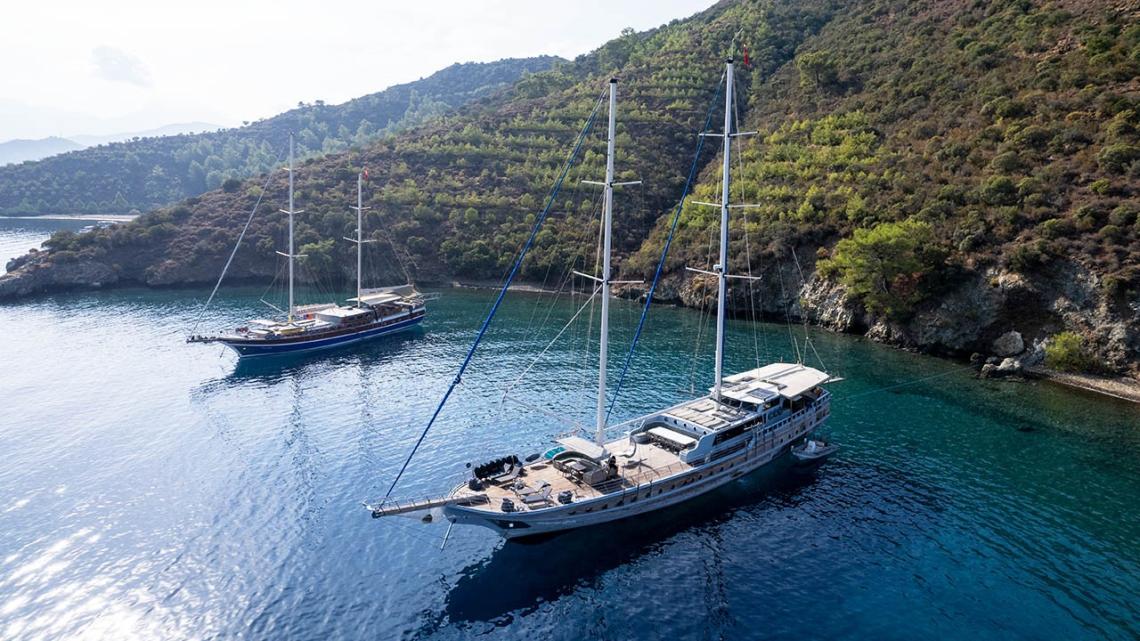
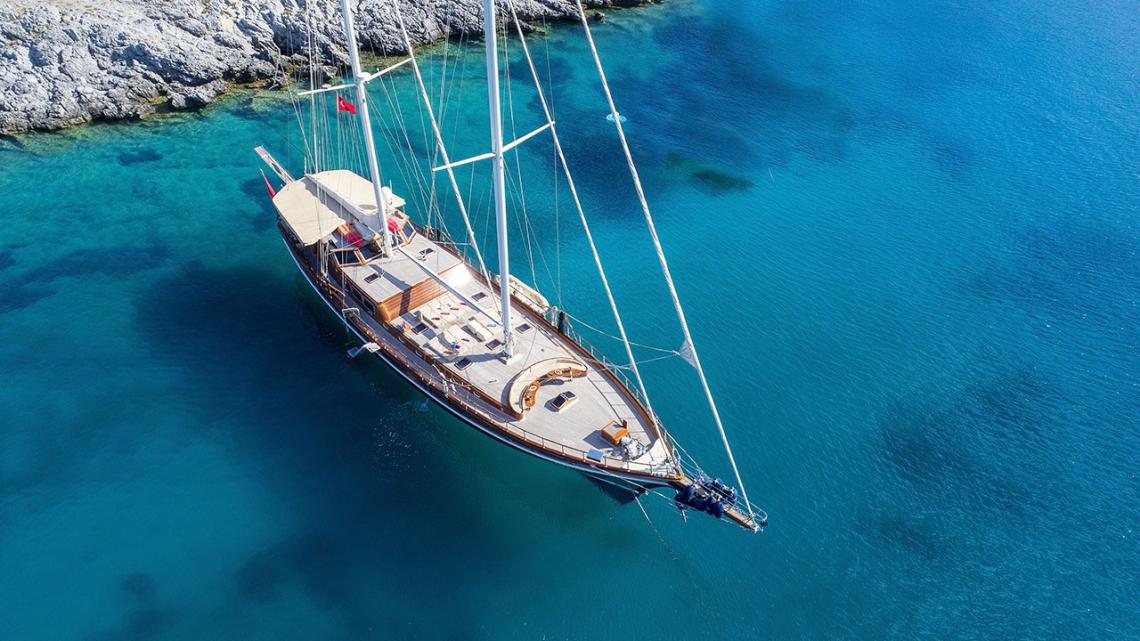
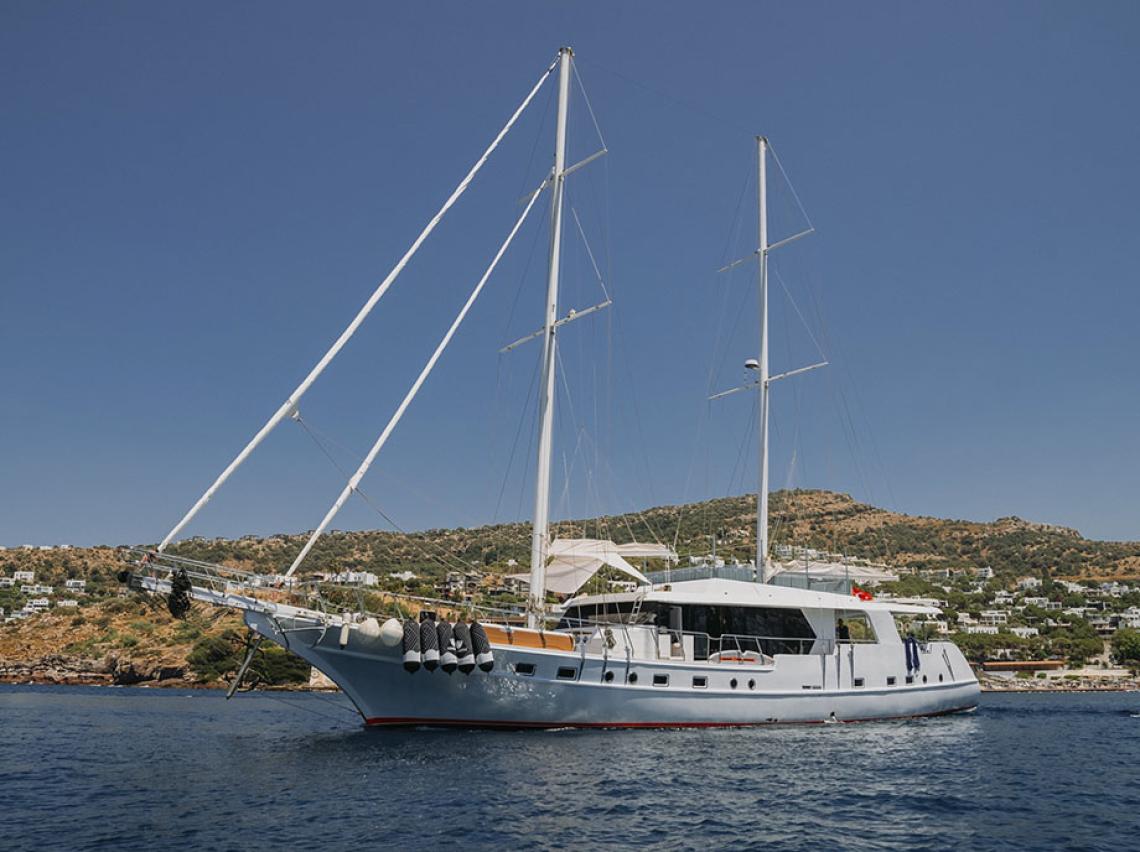
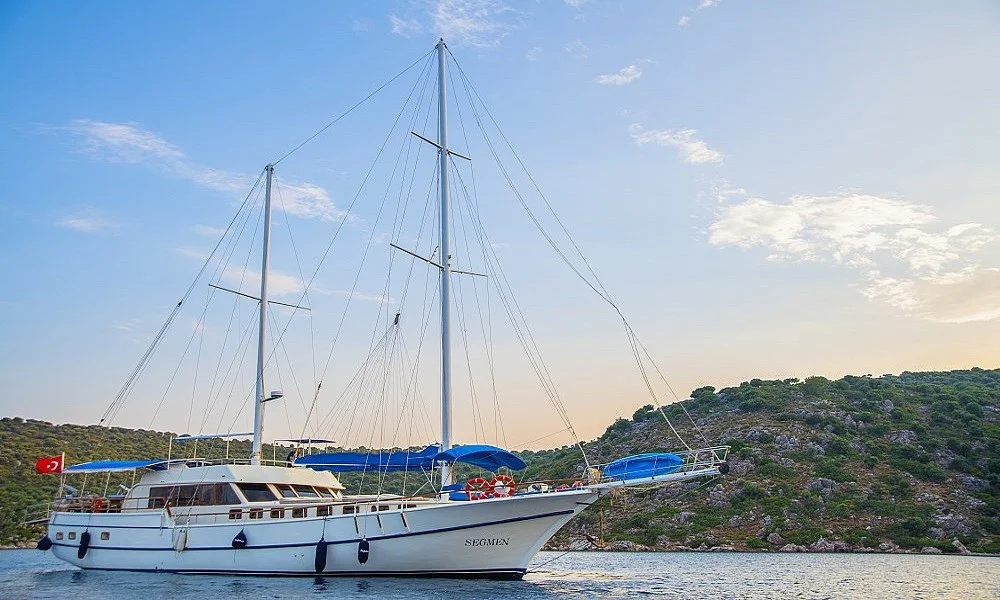
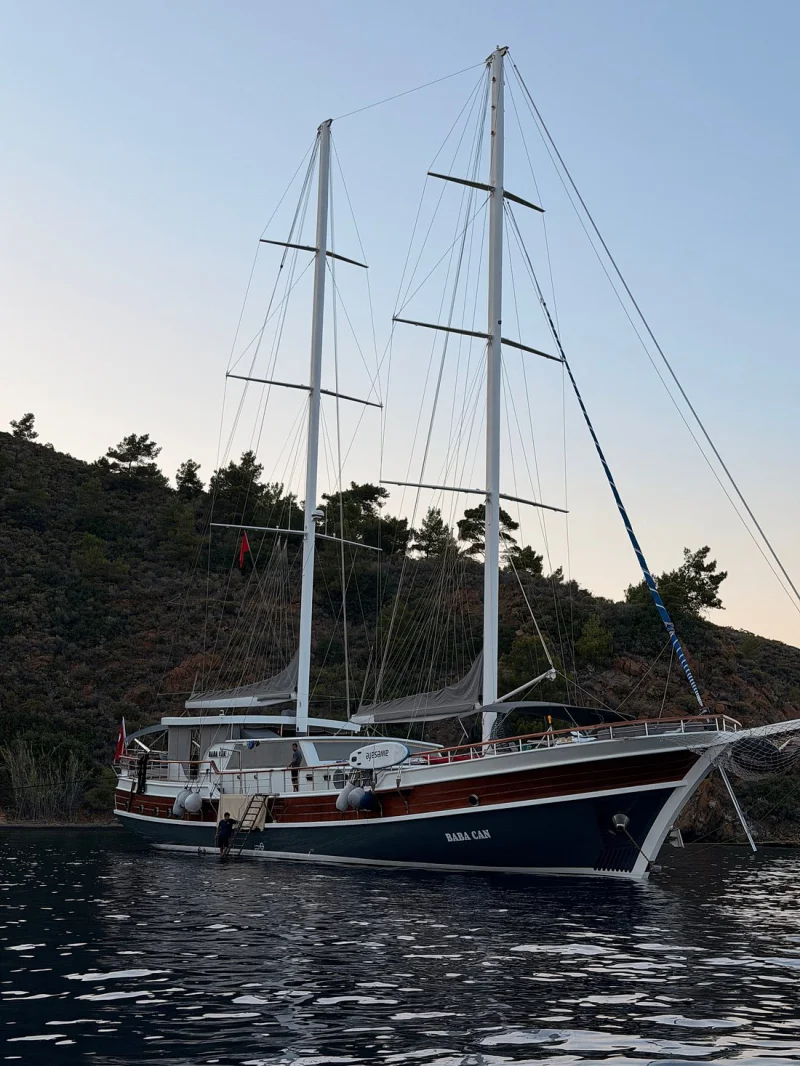
The right yacht depends on guest number, accessibility, budget, route and the atmosphere you want. Traditional gulets are wooden motor-sail vessels associated with Turkish Blue Voyage and often provide an outdoor dining area and deck space. Check the specific boat's cabins, toilets, shade, draft and accessibility.
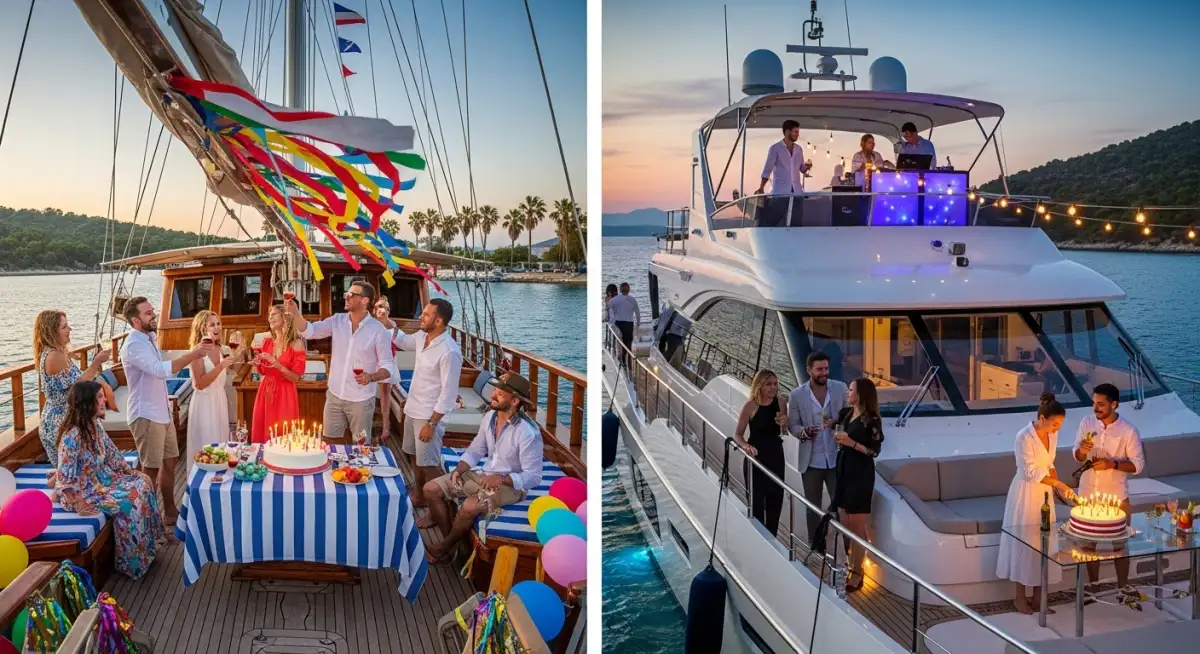
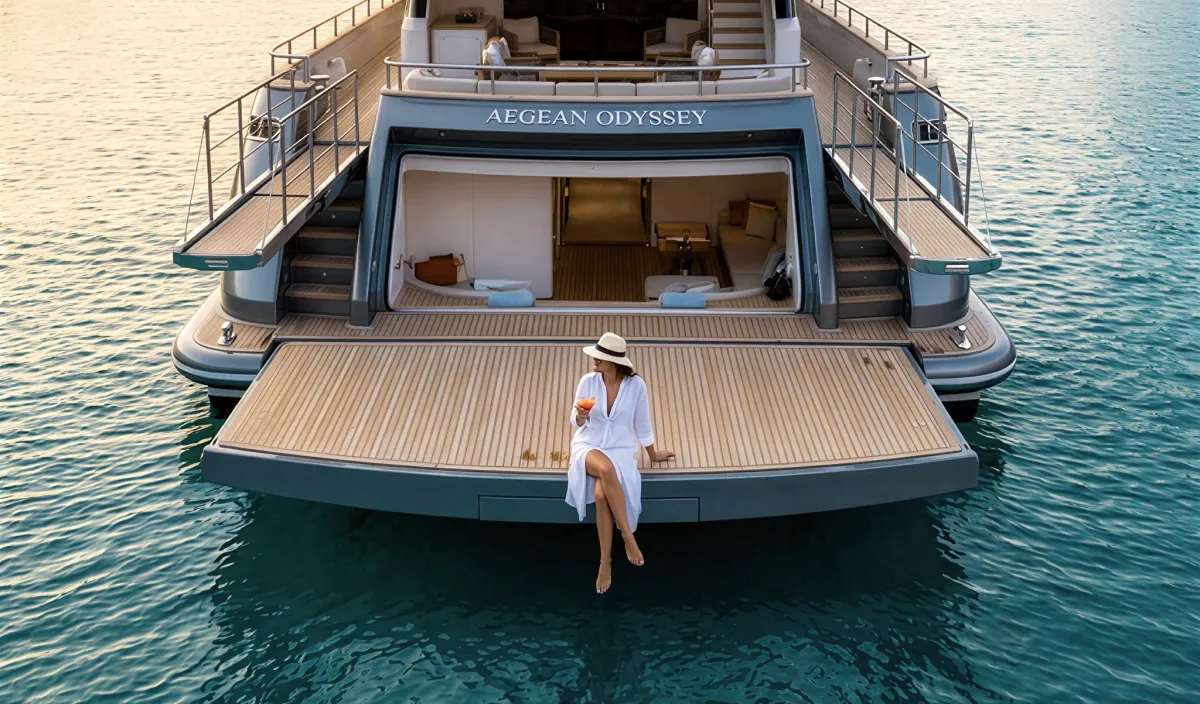
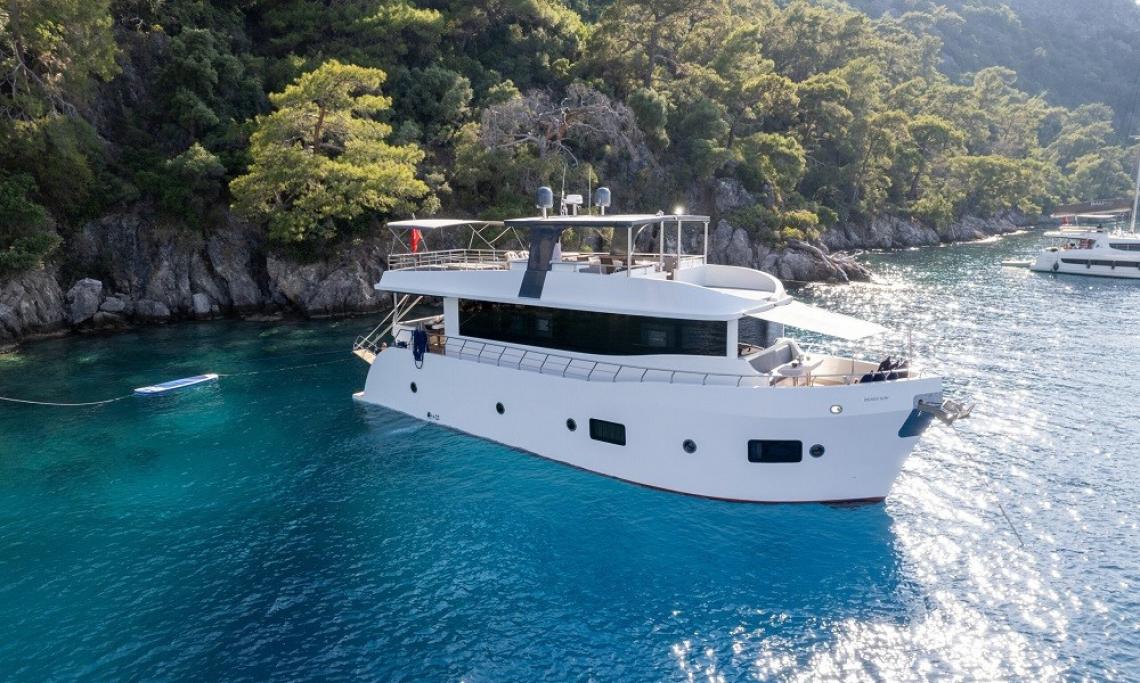
Modern motor yachts may offer faster passages or different amenities, but equipment such as a hot tub, sound system or water toys is not universal. Confirm the current inventory, operating limits, extra charges and whether guests may use each item without additional supervision.
Gulet charter can suit a birthday group that values outdoor dining, deck time and a slower coastal route. The boat's layout still matters: a large-looking deck may have restricted areas, fixed furniture or safety zones that cannot be used for dancing or decorations.
Compare boats using a current specification and photos or video from the actual vessel. Ask about maximum guests, seated dining, indoor and shaded areas, toilets, power supply, sound restrictions, swim access, tender use and the procedure for changing plans in bad weather.
| Planning choice | May suit | Confirm before booking | Typical trade-off |
|---|---|---|---|
| Traditional gulet | Outdoor dining and a coastal Blue Voyage | Guest limit, deck layout, shade, cabins and toilets | More deck character, but route speed and layout vary |
| Motor yacht | Shorter passages and contemporary amenities | Actual equipment, fuel terms, noise rules and guest limit | Faster travel may mean different space or operating costs |
| Sailing yacht | Small groups interested in sailing | Skipper arrangement, stability, cabin space and weather plan | Sailing depends more directly on wind and conditions |
| Larger event vessel | Day gatherings with a higher guest requirement | Permitted passenger capacity, boarding, toilets, catering and evacuation plan | More capacity can add complexity, cost and venue restrictions |
Creating the Right Atmosphere
Keep decorations light and secure. Use items that can be tied down, removed without residue and stored safely. Ask about candles, confetti, balloons, glitter, open flames, adhesives, flower foam and single-use plastics; some may be prohibited because of fire, waste or marine-environment concerns.
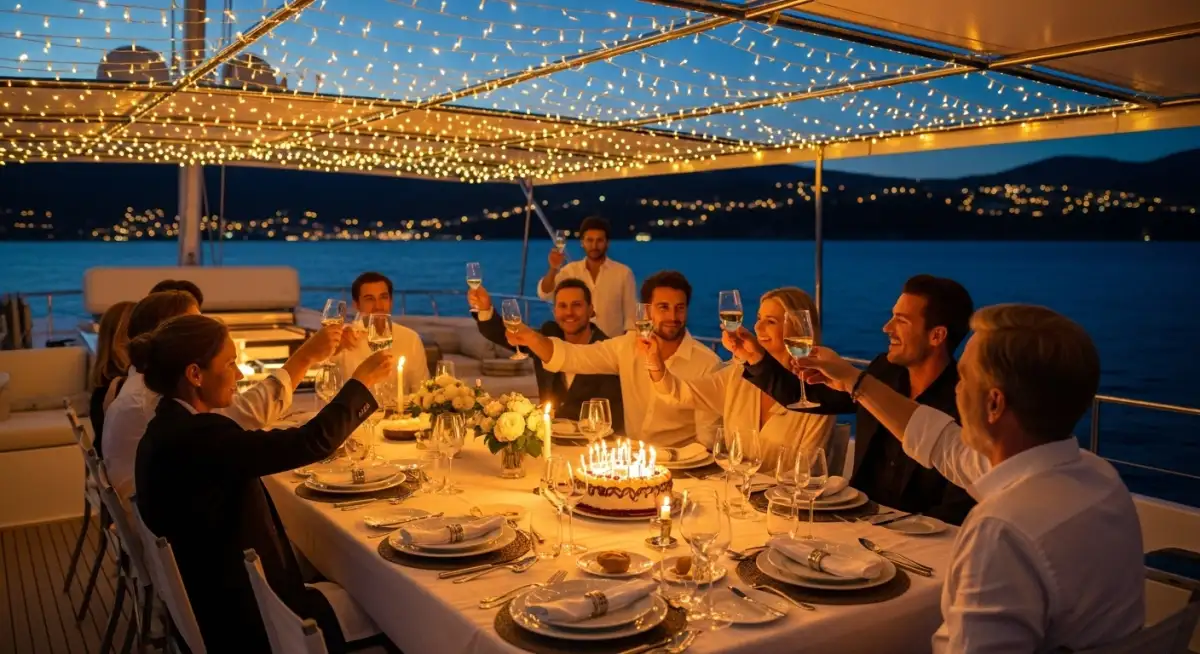
Lighting should not interfere with navigation, crew visibility, other vessels or local quiet rules. Ask which onboard lights can be adjusted and whether shore or anchorage restrictions apply after dark.
Plan music around the boat's sound system, power supply, neighbours and local rules. A portable speaker may not be suitable for every deck, and loud music can affect nearby boats or coastal communities. Agree a volume and finish time with the operator.
Personal details such as colours, a small cake, flowers or a simple table setting can make the event feel tailored. Confirm suppliers, delivery times, refrigeration, allergies, waste collection and any extra fee in writing.
Food and Drinks Planning
Food depends on the chef, galley, provisioning plan, route and package. Ask whether the quote includes a meal, snacks, cake, soft drinks, water, coffee, alcohol, ice and service. Confirm whether outside catering or private suppliers are allowed.
Mediterranean-style meals can work well on deck, but menu and ingredients should be agreed in advance. Share allergies, intolerances, dietary choices and children's needs early. The operator should explain practical limits and cross-contamination risks for serious allergies.
Plan meal timing around sailing, anchoring, shore visits and weather. A meal may need to move indoors or to a marina if conditions change. Do not assume that a barbecue, grill, oven or open-flame cooking is permitted on the selected boat.
Offer non-alcoholic drinks and make responsible arrangements for alcohol. Use sealed, legitimate products, keep guests hydrated and follow the crew's instructions. The captain may restrict alcohol service or activities when safety, weather or guest behaviour makes it necessary.
Safety and Weather Planning
Before departure, the captain or crew should explain lifejackets, emergency exits, alarms, fire equipment, communication, toilets, boarding points and the procedure for calling for help. Every guest should know who to follow during an emergency, including children and anyone with mobility needs.
International maritime safety requirements vary by vessel, flag, voyage and passenger category. IMO explains that passenger ships on international voyages and ships covered by its instruments must meet applicable safety requirements, while lifesaving equipment depends on the ship's size, activity and voyage. Ask the operator which rules and documents apply to the actual boat.
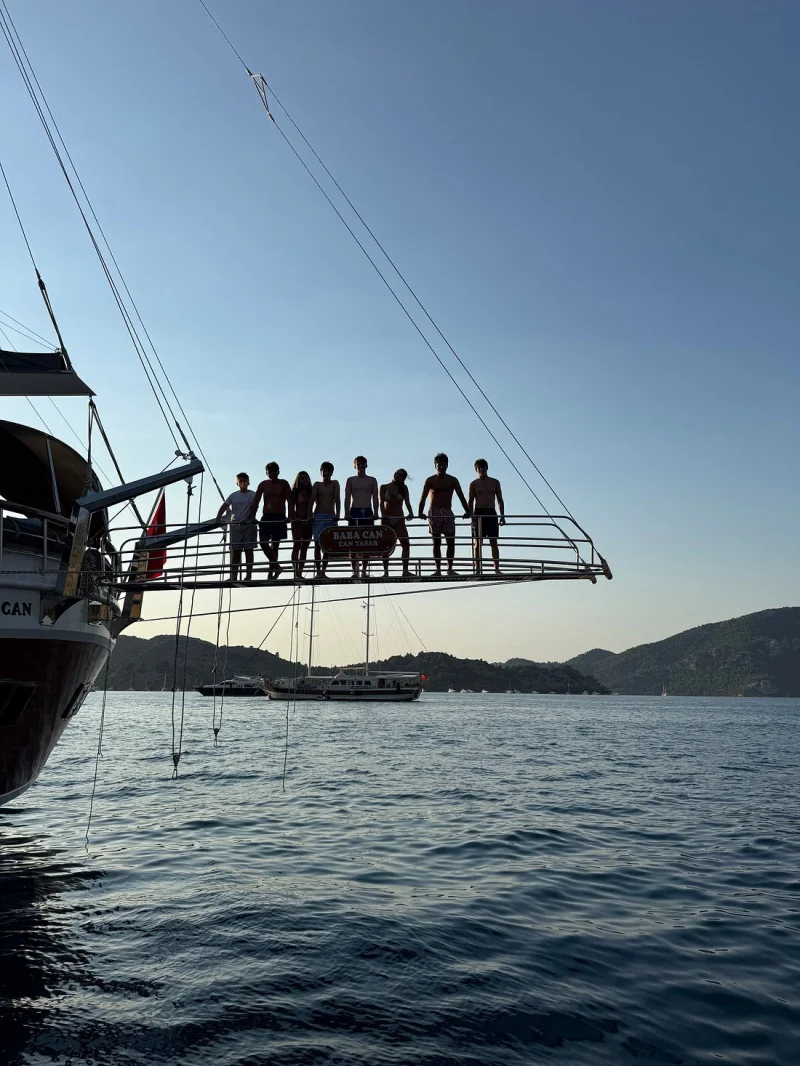
Keep walkways, stairs, rails, emergency equipment and crew work areas clear. Guests should not climb rigging, sit on rails, obstruct the helm or use water equipment without permission. Swimming, tender transfers and water sports require the captain's approval and suitable conditions.
A safe birthday plan includes a weather alternative. The captain may change the route, delay departure, return to port or cancel an activity. A contract should explain these decisions, cancellation terms, deposits and refunds; safety decisions cannot be overridden by the party schedule.
Budget and Timing Tips
Whether a yacht party is worth it depends on group priorities and the complete cost, not a headline daily rate. Ask for a line-item quote covering the boat, crew, dates, route, fuel, ports or marina, food, drinks, transfers, decoration, equipment, taxes and security deposit.
Do not assume that a Turkish charter is automatically cheaper or that a particular marina has a fixed service level. Compare like-for-like boats and confirm what is included. Prices can change with availability, season, itinerary and exchange rates.
Extra costs may include fuel, provisions, premium drinks, cake, transfers, guides, water toys, cleaning, overtime, port fees and damage deposits. Ask how each item is calculated and when it becomes payable.
Peak dates may reduce boat availability and raise quoted prices, while shoulder-season dates can bring different weather and route conditions. Book after checking the actual cancellation policy and avoid paying a deposit before the vessel, operator and contract are identified.
Making Memories
Plan photography around safety and light. Golden-hour conditions can be attractive, but the sun, wind and boat movement are unpredictable. Keep phones and cameras secure, and never ask guests or photographers to move into restricted areas for a shot.
If you hire a photographer or videographer, confirm insurance, equipment, delivery, privacy, drone rules and permission to photograph other people. Ask before photographing crew, local residents, military or official installations, and respect requests not to be filmed.
Use a private sharing method that guests agree to. Obtain consent before posting identifiable images of children or guests, and avoid publishing live locations while the group is still on the route.
References
- GoTürkiye – "Turkish Gulets" https://goturkiye.com/bluevoyage/turkish-gulets – Official information about gulet construction, common layouts and coastal regions.
- GoTürkiye – "Blue Voyage" https://goturkiye.com/turkishriviera/blue-voyage – Official context for Turkish Riviera routes, gulets and tailor-made programs.
- Republic of Türkiye Ministry of Transport and Infrastructure, Directorate General for Maritime Affairs – "What We Do" https://maritime.uab.gov.tr/what-we-do – Registration, permits, inspections, operator responsibilities and minimum safety conditions.
- International Maritime Organization – "Passenger ships" https://www.imo.org/en/ourwork/safety/pages/passengerships.aspx – Passenger-ship safety, applicable regulations and crew training context.
- International Maritime Organization – "Life-saving appliances" https://www.imo.org/en/ourwork/safety/pages/lifesavingappliances-default.aspx – Life-saving equipment requirements and vessel-specific capacity considerations.
- International Maritime Organization – "International Convention for the Safety of Life at Sea (SOLAS), 1974" https://www.imo.org/en/about/conventions/pages/international-convention-for-the-safety-of-life-at-sea-(solas),-1974.aspx – International ship construction, equipment and operation safety framework.
- GOV.UK – "Safety and security - Turkey travel advice" https://www.gov.uk/foreign-travel-advice/turkey/safety-and-security – Current travel, water-activity, alcohol, photography and local-law guidance.
- Republic of Türkiye Ministry of Transport and Infrastructure, Turkish Ship Registry – "National Ship Registry" https://gemisicili.uab.gov.tr/en/gerekli-belgeler-mgs – Registration context for yachts and recreational craft.
This article was last updated on August 11, 2026.
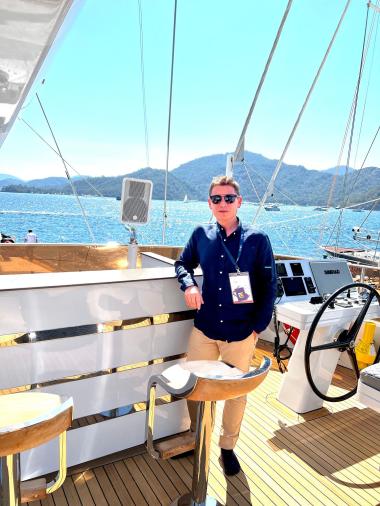
I have over ten years of experience in luxury yacht charters. I focus on creating amazing sailing experiences along the Turkish Riviera. As the CEO of De Yachting since 2010, I have managed many successful charters. I know Turkey's most beautiful coastal spots very well.
Areas of Expertise
Have questions about yacht chartering?
Feel free to reach out directly