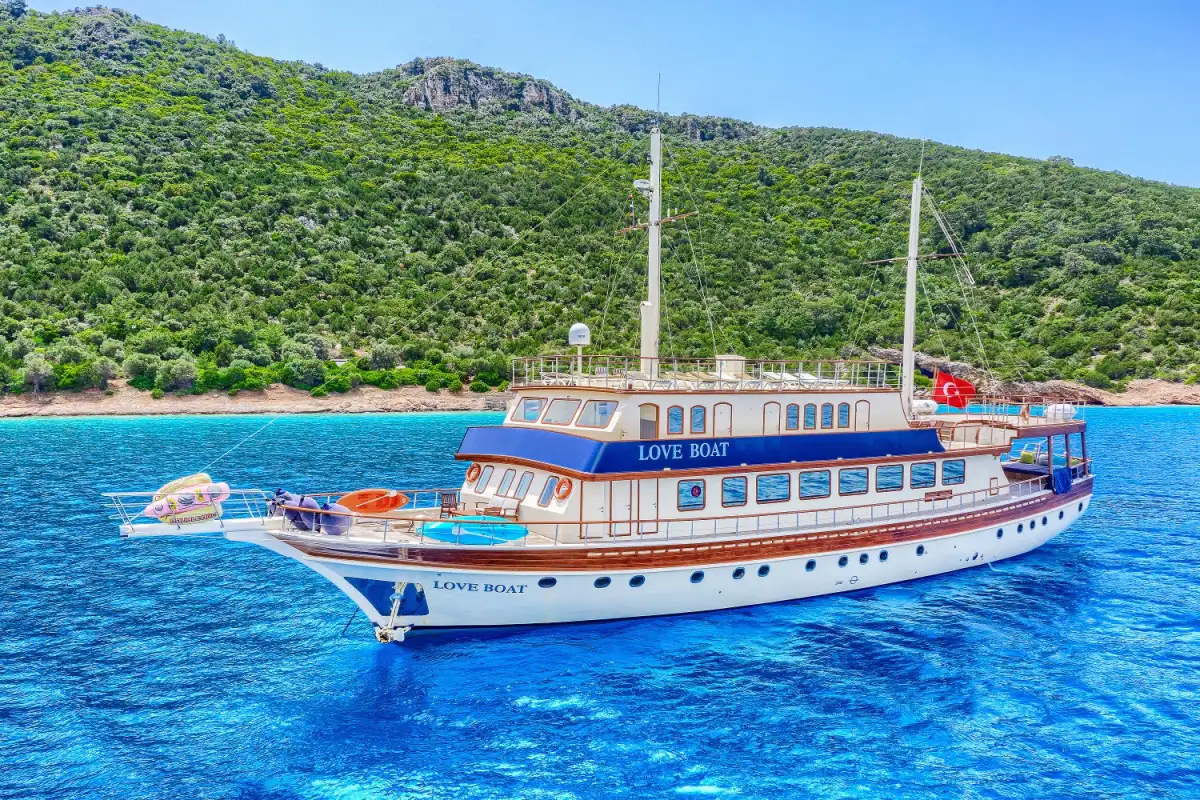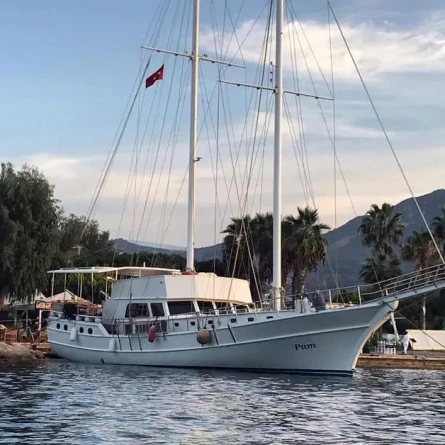

Most travelers still default to July or August, but that is not automatically the best fit. On the Turkish coast, the right season depends on what you value most: the hottest weather, the quietest bays, the broadest yacht choice, the easiest swimming conditions, or the strongest overall value.
This guide compares peak season, shoulder season and winter off-season for a crewed gulet charter in Türkiye using current market signals, route realities and availability patterns. The goal is not to force every guest into one booking window, but to help you match the season to your group, budget and preferred pace on the water.
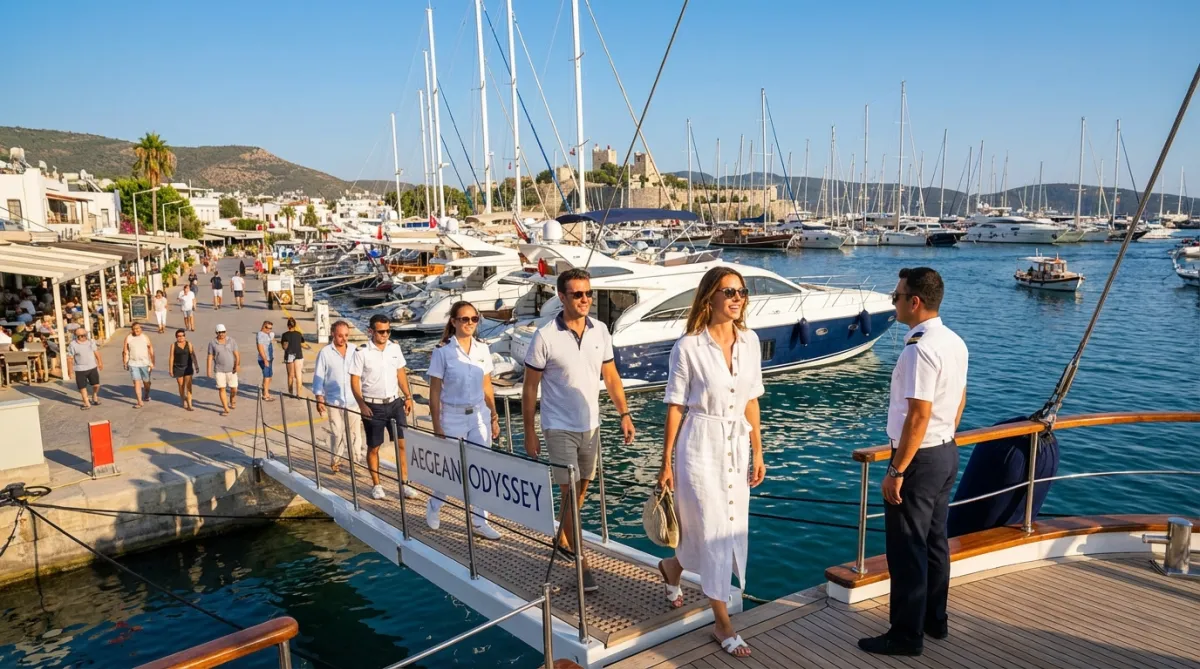
What Peak Season Actually Means on the Water
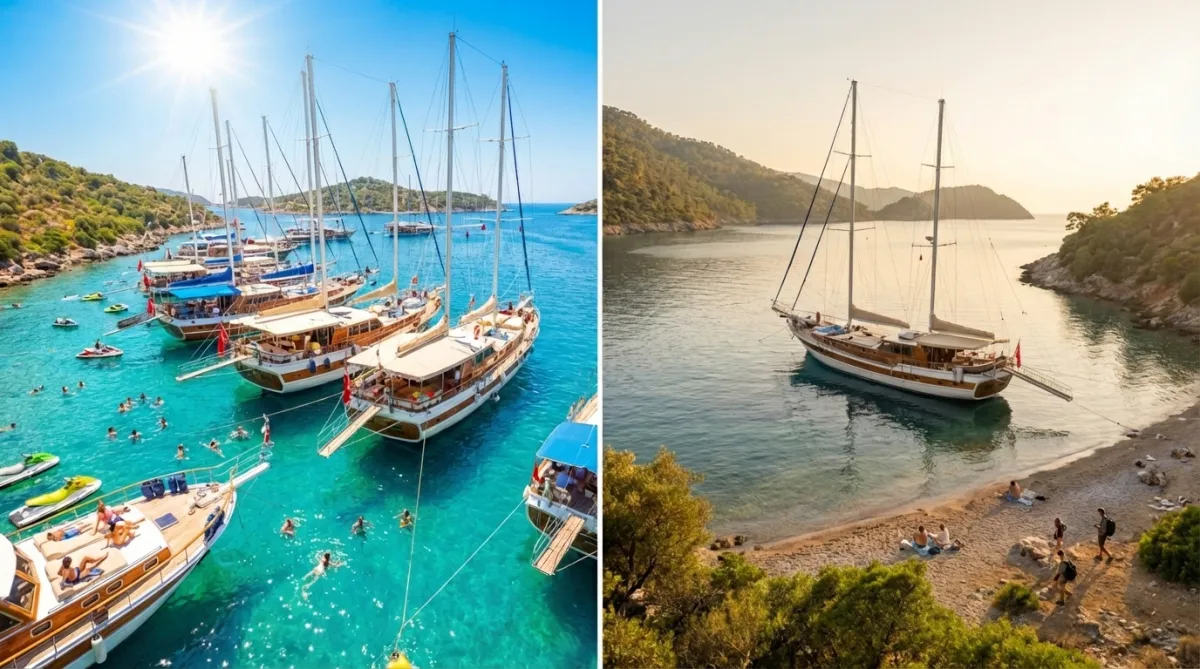
Peak season usually means July and August, with June acting as the build-up month on many routes. This is when Bodrum, Göcek, Marmaris and Fethiye feel fullest, berth demand is strongest, and the most popular gulets disappear from the market first.
For well-kept 6-cabin crewed gulets in the current market, prime summer pricing commonly lands around €9,000 to €14,500+ per week, with higher figures for premium and luxury yachts. Earlier booking can still improve value, but waiting until late spring for a midsummer week usually means fewer options and weaker leverage.
Summer does bring the classic high-energy Mediterranean atmosphere: hot days, long swim stops and fully active shoreside life. It also brings busier anchorages, more pressure on marinas, and stronger northerly Aegean winds on some passages. If your ideal charter means lively towns, the hottest water and full summer energy, peak season still delivers. If your ideal trip is silence in every bay, it often does not.
Off-Season: What Changes, What Doesn't
The true off-season is usually November through April. This is where many online guides become misleading. The real issue is not just price. It is whether the fleet you want is even operating.
Many gulets come out of active charter rotation outside the main May to October window. Some yachts remain available for private requests, special events or custom voyages, but winter charter choice is much narrower than in summer or shoulder season. Instead of expecting a broad market with standard weekly pricing, it is safer to think of winter as a custom-quote period with more weather dependency and less operational flexibility.
When is Your Perfect Gulet Season?
Get our seasonal guide for the Turkish Riviera. We’ll help you choose the best time for weather, value, and quiet bays.
For most leisure travelers, winter is not the easiest first charter season in Türkiye. Conditions can still be beautiful on the right week, but crossings, mooring plans and some shoreside services become more variable. If your priorities are easy swimming, wide yacht choice and relaxed route planning, winter is rarely the most practical answer.
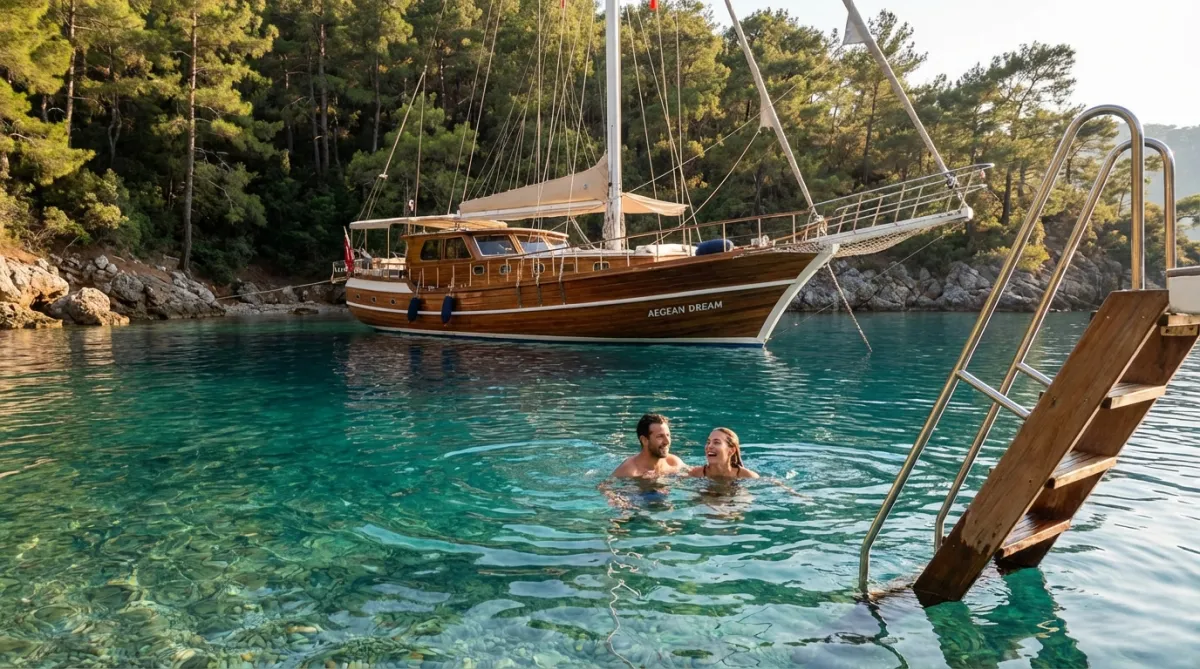
Shoulder Season: The Real Sweet Spot
For many guests, the smartest booking window is shoulder season, especially May, June, September and early October.
May usually offers lighter crowds and better value, with many standard 6-cabin gulets starting around €7,000 to €9,000 per week. The water is cooler than in high summer, but the coast feels calmer and less pressured.
June keeps the long daylight and summer mood while staying easier than July and August in many anchorages. On current 6-cabin listings, June often lands around €7,500 to €11,000 per week depending on yacht class, route and booking timing.
September is the month many repeat charter guests prefer. The sea is still warm, the summer infrastructure is still active, and pricing often softens back toward June levels after the first part of the month. It is one of the best times to balance swimming comfort, route flexibility and overall value.
Early October can still be excellent, especially for adults who want slower evenings, softer light and less crowded bays. The trade-off is simple: as the month progresses, some seasonal businesses reduce hours or close, especially when smaller island stops are part of the itinerary.
| Season | Typical Dates | Indicative 6-Cabin Weekly Range | What Changes |
|---|---|---|---|
| Peak | July - August | €9,000 - €14,500+ | Hottest weather, fullest marinas, strongest demand |
| Early Shoulder | May | €7,000 - €9,000 | Better value, cooler water, quieter bays |
| Main Shoulder | June and September | €7,500 - €11,000 | Warm water, better balance, easier availability than peak |
| Late Shoulder | Early October | €7,000 - €9,000+ | Calmer pace, softer light, some shoreside services taper |
| Winter Off-Season | November - April | Quote on request / limited active fleet | Custom planning, variable weather, fewer operating gulets |
Availability: Why Booking Timing Matters
Availability is where peak season punishes indecision. The best-presented, best-crewed and best-located gulets tend to move first for July and August departures. If you wait until late spring for a midsummer week, you are often choosing from what remains rather than from the full fleet.
Recent DE Yachting booking guidance shows a clear early-booking advantage: 6-cabin Bodrum gulets that can be found around €9,000 to €12,000 when booked early for July tend to move up as the season approaches, with less choice left by late spring. That is one more reason shoulder season often feels easier. You get more breathing room on both price and yacht selection.
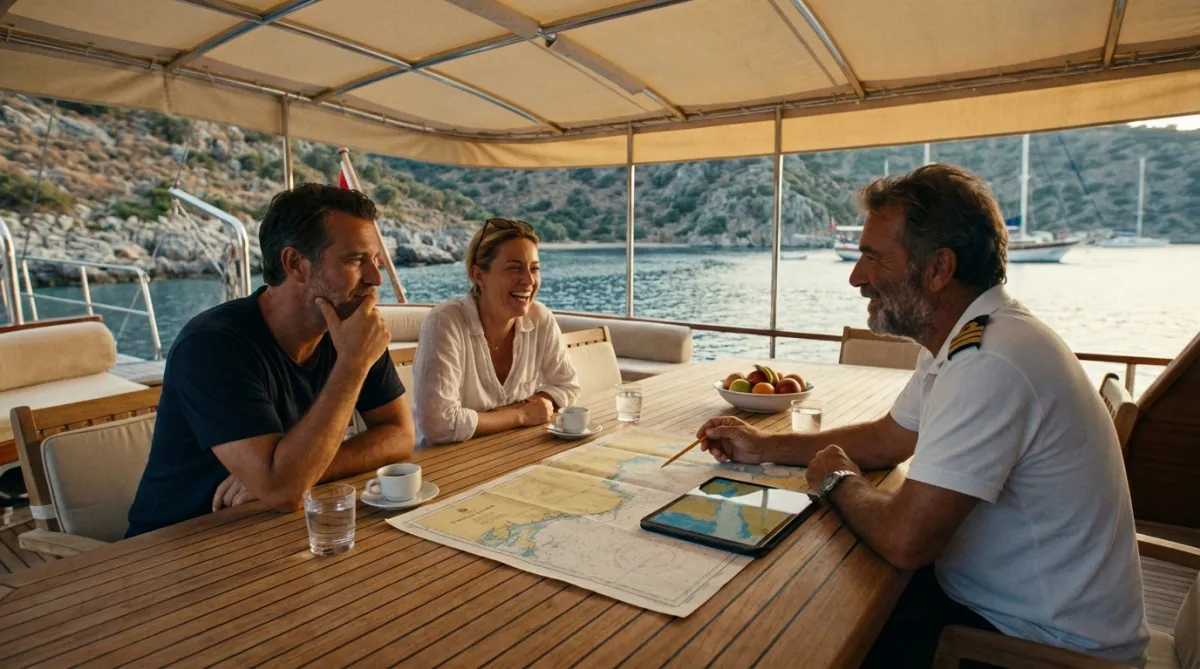
Weather: The Practical Comparison
The common belief that summer automatically means better charter weather needs a little nuance. July and August are the hottest months and the most reliably summery, but they can also be the busiest and breeziest on Aegean legs. May and early June usually feel gentler, while September and early October often give a more comfortable blend of warm water, steady sunshine and less pressure on anchorages.
In practical terms, the season choice is really a comfort choice. Peak summer suits guests who want maximum heat and the strongest classic summer atmosphere. Shoulder season suits guests who want easier cruising rhythm, better value and more relaxed mooring choices. Winter suits experienced or very flexible travelers with specific reasons to go outside the main season.
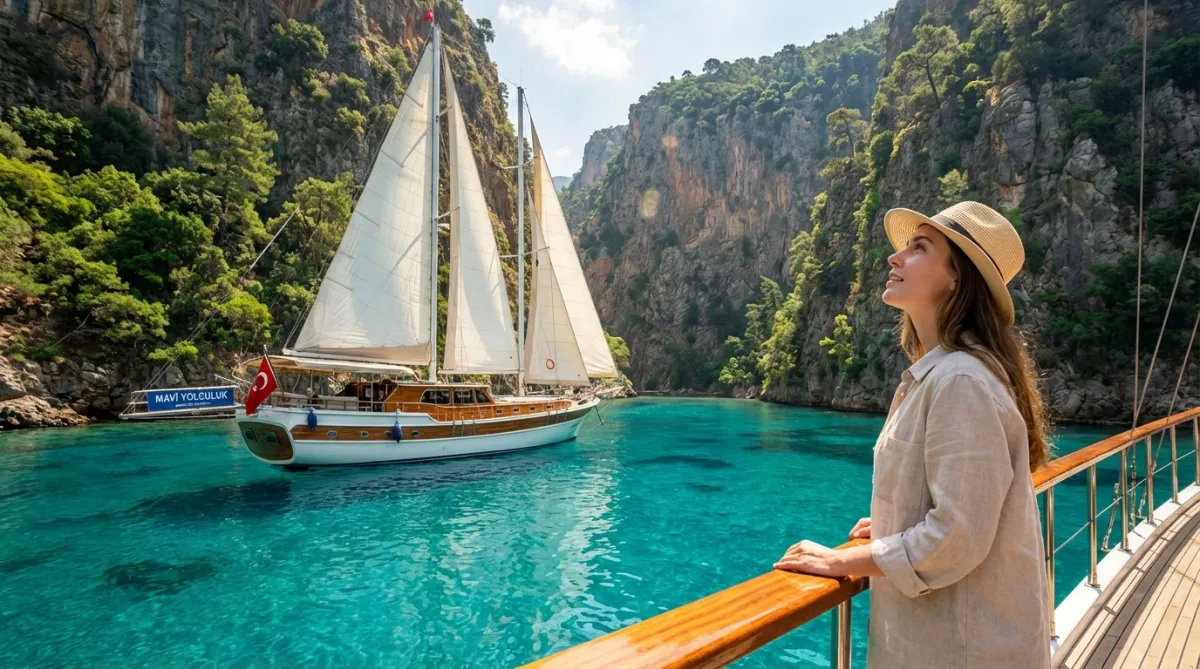
Which Season Fits Which Traveler
Families tied to school holidays will usually land in July or August. In that case, the best strategy is to book early, choose a yacht with a strong deck layout for group comfort, and keep expectations realistic about crowd levels.
Couples, groups of adults and repeat charter guests often do best in September or early October. That is where the trip feels closest to the classic blue-cruise idea of relaxed swim stops, quieter dinners and less rushed anchorages.
Value-focused travelers should look hard at May and early October. These months are not a weaker version of summer. They are simply different: cooler, quieter and often more rewarding for guests who care more about atmosphere than peak heat.

Booking Strategy by Season
If you need the full summer school-holiday window, start early and expect the strongest demand in July and August.
If you want the best balance of comfort, water temperature and price, look first at June and September.
If you want lower rates and a slower pace, consider May or early October.
If you are thinking about November to April, treat it as a custom planning exercise rather than a standard weekly charter market.
Before you compare weekly rates, always check the inclusion list on the specific yacht. In the current market, inclusions vary by operator and itinerary, especially once food and drinks, Greek island formalities, transfers, VAT, water sports or route-specific port charges enter the picture. Comparing headline price alone can distort the real value of a charter.
Bottom line: if your calendar is flexible, June and September are the most balanced windows for most gulet charter guests in Türkiye. July and August work best when you want peak-summer energy or must travel in school-holiday weeks. November through April is best approached as a niche, custom option rather than a mass-market bargain season.
References
- Republic of Türkiye Ministry of Culture and Tourism - Yachting - Official overview of yachting conditions and the Turkish coast.
- Republic of Türkiye Ministry of Culture and Tourism - Marinas - Official marina network and regional yacht infrastructure across Türkiye.
- Blue Flag Türkiye / TÜRÇEV - What is Blue Flag? - Official environmental quality benchmark for beaches and marinas.
- Noonsite - Türkiye - Cruising context, ports and planning notes for yachts in Turkish waters.
- International Maritime Organization - SOLAS - Core international safety reference for maritime operations.
- GoTürkiye - Muğla - Official destination context for the Aegean-Mediterranean coast, bays and regional travel appeal.
- GoTürkiye - Fethiye - Official destination reference for Butterfly Valley near Fethiye.
This article was last updated on October 12, 2026.
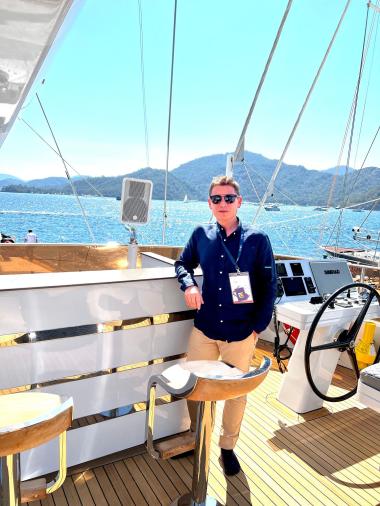
I have over ten years of experience in luxury yacht charters. I focus on creating amazing sailing experiences along the Turkish Riviera. As the CEO of De Yachting since 2010, I have managed many successful charters. I know Turkey's most beautiful coastal spots very well.
Areas of Expertise
Have questions about yacht chartering?
Feel free to reach out directly