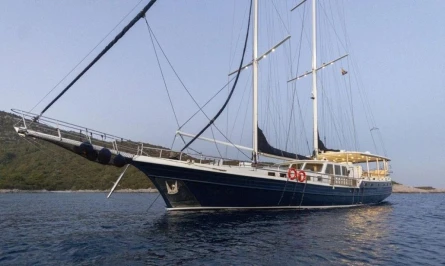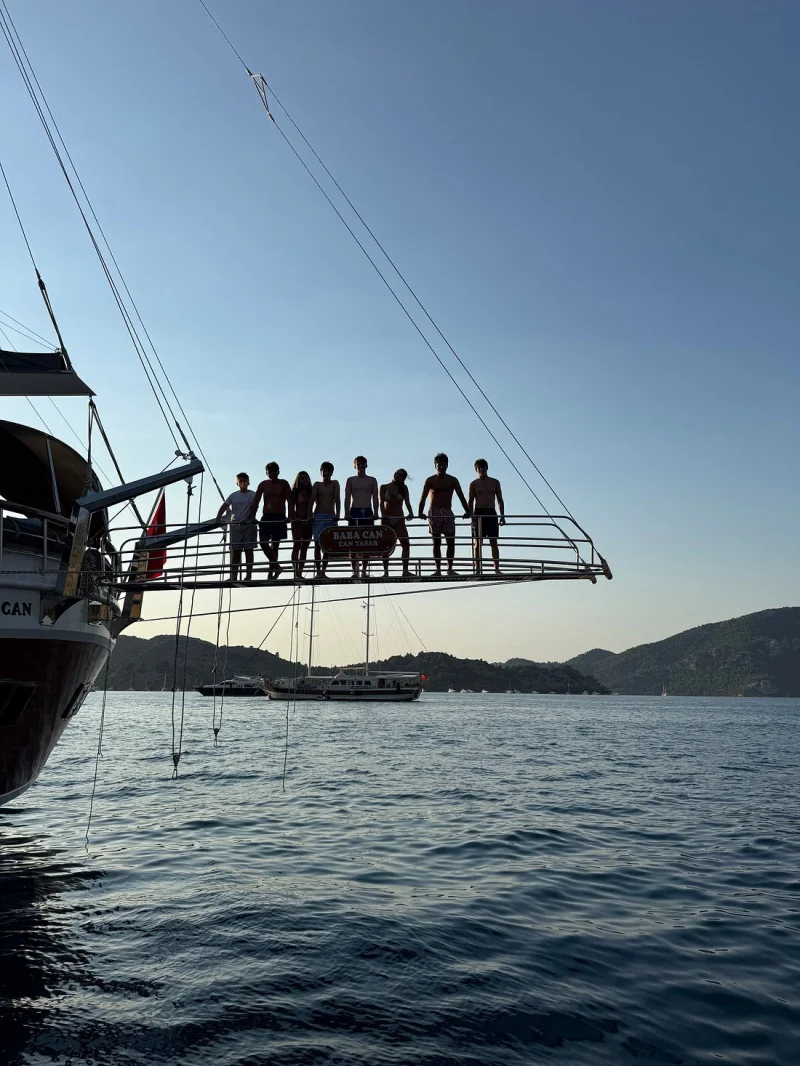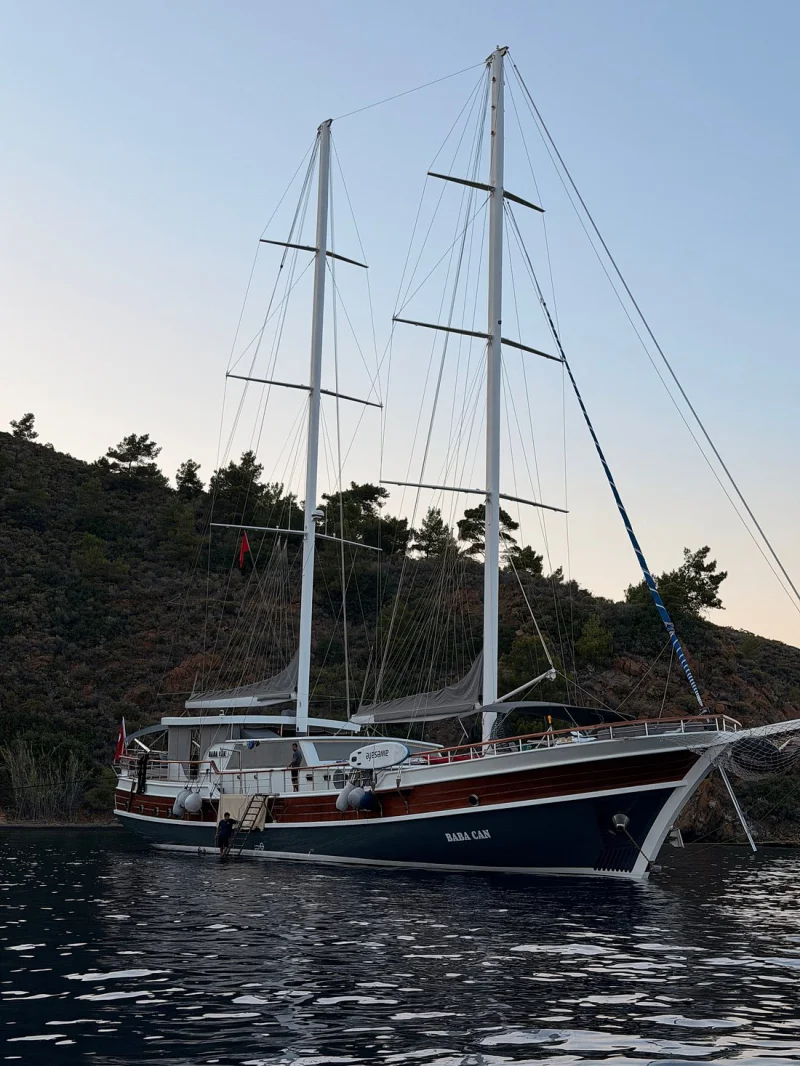


Understanding gulet charter route differences before you book saves you from a week of regret. Turkey's Aegean and Mediterranean coastline spans over 1,000km, but not all of it sails the same way. Bodrum, Fethiye, and Marmaris each offer a distinct experience — different scenery, different sea conditions, different crowd levels, and different anchor spots. Choosing the wrong base for your style isn't just disappointing. It can feel like booking a mountain cabin when you wanted a beach resort.
Here's a direct breakdown of what actually separates these routes.
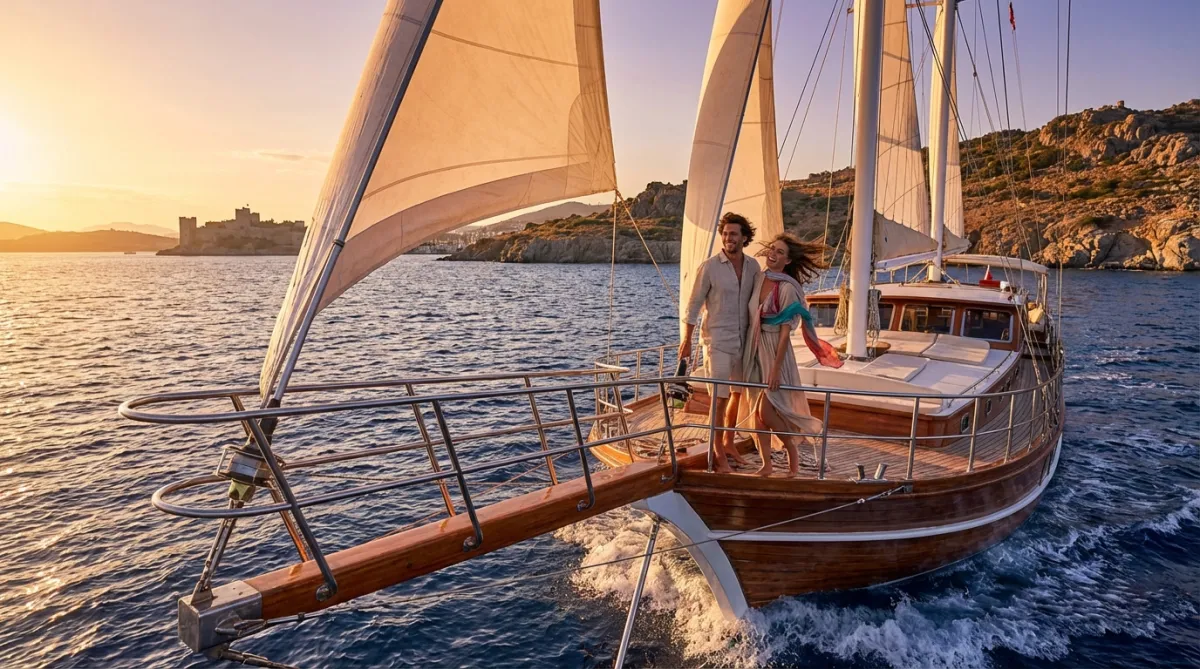
Bodrum Routes: Open Sea, Wind, and Aegean Energy
Bodrum sits at the northern edge of Turkey's charter zone. That position shapes everything about sailing here. The Aegean influence means stronger, more consistent winds — typically 15–25 knots in July and August, with occasional gusts pushing higher. For sailors who want actual sailing rather than motoring between bays, this is the region.
The classic gulet charter turkey loop covers the Bodrum Peninsula, Kos, and Datça. Distances between stops run longer — 20–35 nautical miles between key anchorages isn't unusual. That means more open water time and less sheltered bay hopping. Families with young children or guests prone to seasickness should factor this in seriously.
What most guides miss: Bodrum's crowd levels are actually more concentrated than people expect. The town buzzes hard in peak season. Popular bays like Orak Island and Kargı Bay fill up by early afternoon in July. If you want solitude, move early — before 9am — or accept anchoring among 15–20 other gulets.
Bodrum suits: Experienced sailors, couples wanting Aegean energy, those combining Turkey with a Greek island like Kos.
Fethiye Routes: The Most Visually Dramatic Option
Fethiye — and specifically the Göcek area — consistently produces the strongest "wow" reactions from first-time charter guests. The scenery here is simply different. Limestone cliffs rise 200–400m from the water. Dense pine forests reach the shoreline. The famous Twelve Islands group creates a backdrop that Bodrum's flatter peninsula can't match.
Find Your Perfect Turkish Gulet Route
Compare Bodrum, Marmaris, and Fethiye. Get our expert route maps and hidden cove recommendations.
The gulet cruise turkey experience around Fethiye-Göcek covers shorter daily distances. Most anchorages sit 8–15 nautical miles apart. That means calmer, quicker passages and more time in the water. Butterfly Valley — accessible only by sea or a steep hike, with a beach roughly 200–300m long backed by 100m+ cliffs — is a standout stop. Ölüdeniz looks extraordinary from the water, even when the beach itself gets crowded.
Fethiye is the most popular starting point for the classic blue cruise turkey route. That popularity has a downside: it's also the most competitive for anchorage spots in peak season. Göcek's bays — Bedri Rahmi, Cleopatra's Bath, Tomb Bay — are stunning but well-known. Peak July weeks can feel crowded between 11am and 4pm. Shoulder season (late May, September, early October) transforms the experience entirely.
Fethiye outperforms Bodrum for scenery, calm conditions, and first-time charter guests. Bodrum outperforms Fethiye for experienced sailors who want wind, open-water passages, and Aegean character. Neither is objectively better — the answer depends entirely on your group's priorities and experience level.
Fethiye suits: First-time charter guests, families, photography-focused travelers, anyone prioritizing scenery over sailing distance.
| Route | Avg. Daily Distance | Wind Strength | Scenery Type | Crowd Level (Peak) |
|---|---|---|---|---|
| Bodrum | 20–35nm | 15–25 knots | Aegean, open | Moderate–High |
| Fethiye/Göcek | 8–15nm | 8–15 knots | Fjord, cliffs | High |
| Marmaris | 12–22nm | 10–18 knots | Mixed, bays | Moderate |
| Datça Peninsula | 15–25nm | 12–20 knots | Remote, rugged | Low |
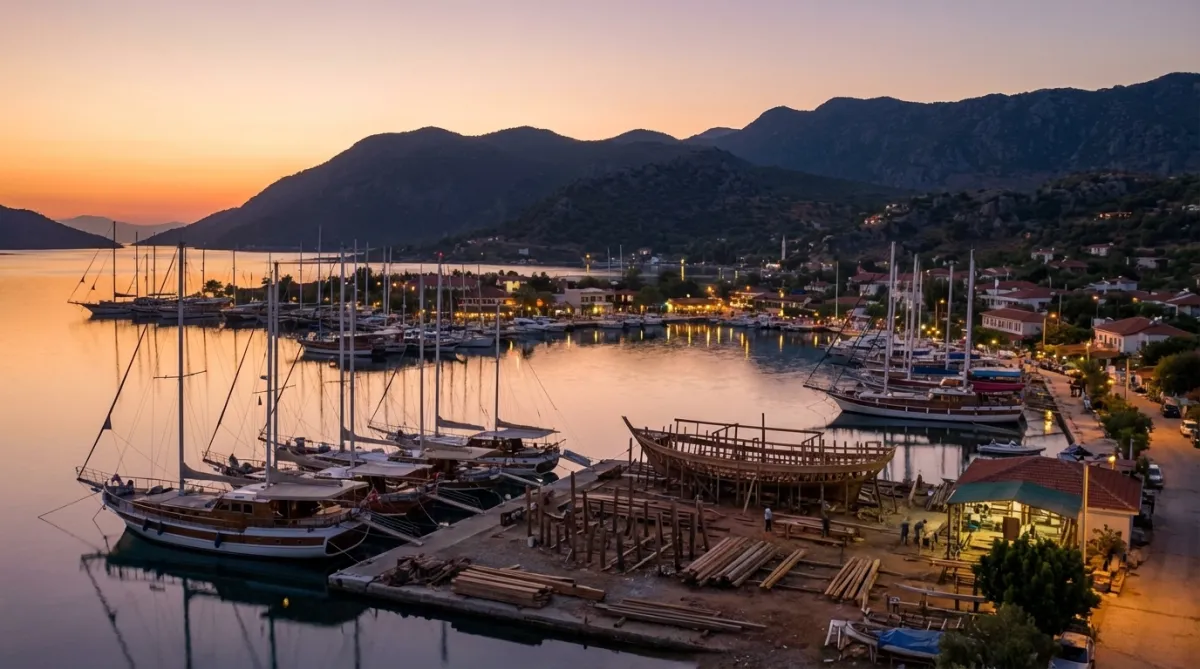
Marmaris Routes: The Underrated Middle Ground
Popular advice pushes travelers toward either Bodrum or Fethiye. In practice, Marmaris routes often outperform both for a specific type of guest: those who want variety without extremes.
The marmaris gulet charter zone covers the Hisarönü Gulf, Bozburun Peninsula, Selimiye, and Datça. This is arguably the most diverse sailing area in Turkey. You get protected fjord-like inlets at Bozburun and Selimiye, open crossings toward Datça, and access to remote bays that genuinely see fewer boats. Bozburun village — small, quiet, famous for its traditional gulet-building yards — is the kind of stop that doesn't appear in most charter brochures.
Sea conditions here sit between Bodrum and Fethiye. The Hisarönü Gulf channels wind predictably. That makes it manageable for mixed-experience groups. Passages of 12–22 nautical miles are common — enough variety to keep sailors interested, without the open-sea exposure of the Bodrum-Kos crossing.
Marmaris town itself is best avoided as a base. It's large, busy, and adds little to the charter experience. Smarter operators start from Göcek or position the gulet in Bozburun or Selimiye instead. That one change transforms the first day from a marina exit into an immediate anchorage.
Marmaris suits: Groups wanting variety, intermediate sailors, anyone combining Turkey with the Greek Dodecanese (Rhodes is a short crossing).
The Datça Peninsula: Low Crowds, High Reward
The comparison table above lists Datça as a standalone zone — and it deserves a proper mention. Datça sits at the tip of the long peninsula separating the Aegean from the Mediterranean. It's accessible from both Bodrum and Marmaris routes, which is why it appears in both.
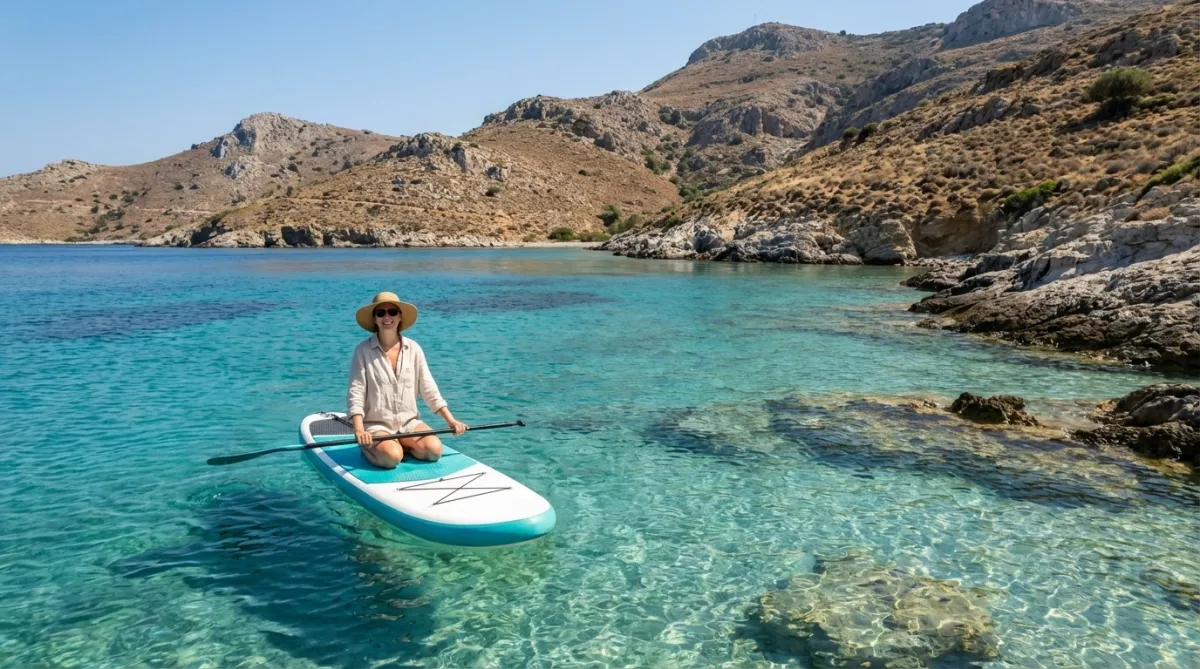
What makes Datça different: genuine remoteness. Crowd levels stay low even in peak August weeks. Bays like Palamutbükü and Mesudiye see a fraction of the traffic that Göcek or Orak Island attract. The landscape is drier and more rugged than Fethiye — think scrub-covered hillsides rather than pine forests — but the water clarity is exceptional. Passages run 15–25 nautical miles with winds of 12–20 knots, making it better suited to experienced sailors or those comfortable with some open-water time.
If your priority is escaping peak-season crowds without sacrificing water quality, Datça is the route most charter guests wish they'd chosen.
Swimming Spots: Where the Water Actually Wins
This is where gulet charter route differences get personal. The best swimming spots aren't evenly distributed.
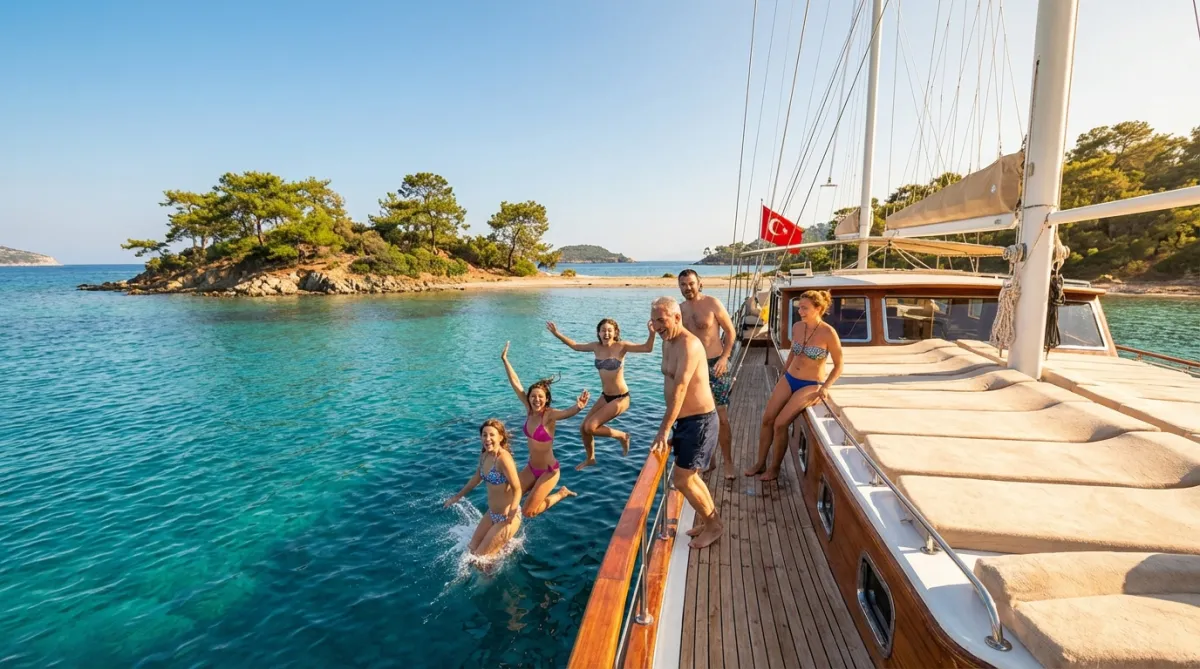
Fethiye-Göcek wins for consistently clear, deep water at anchor. Depths of 8–15m in most bays mean excellent visibility and no seagrass issues. Göbün Bay and Yassıca Islands deliver turquoise-over-white-sand water that looks photoshopped but isn't.
Bodrum's best swimming sits around Orak Island and the outer Bodrum Peninsula bays. Water clarity is excellent, but you're competing for space. The Datça side of the Bodrum route offers genuinely remote swimming in bays that see minimal traffic outside peak weeks.
Marmaris routes surprise most guests with Selimiye and Bozburun. Water depth runs 6–12m in sheltered inlets, clarity is strong, and you'll often anchor with only 2–4 other boats nearby even in August. For families with kids, the calmer, shallower entries of Hisarönü Gulf bays are genuinely safer for swimming.
Pricing Across Routes: What to Expect
Route choice affects cost beyond the gulet itself. Fethiye-based charters typically carry slightly higher marina fees and provisioning costs — Göcek marina is one of Turkey's priciest. On a gulet, fuel for the planned route is included in the charter fee; on a motor yacht, fuel is paid from the APA, so Bodrum's longer passages weigh more there. Crossing to Kos adds Greek port fees.
Gulet sizes vary considerably — from 4-cabin boats sleeping 8 guests to 12-cabin vessels for larger groups. The figures below use a 6-cabin gulet as the benchmark. Per-person costs drop significantly on larger vessels, so groups of 10–12 should request pricing on 8-cabin options before assuming the 6-cabin rate applies.
For a 6-cabin gulet charter in peak season (July–August):
Bodrum routes: €9,000–€16,000/week (crewed gulet, fuel for the planned route included; food and drinks extra)
Fethiye/Göcek routes: €8,500–€15,000/week
Marmaris/Bozburun routes: €7,500–€13,000/week
Shoulder season (May, September, October) brings these figures down 20–35% across all routes, with dramatically better anchorage availability.
On booking lead times: Fethiye peak weeks (July–August) typically require booking 5–7 months ahead — the most popular route fills earliest. Marmaris and Bozburun are generally more flexible, with 2–4 months usually sufficient outside peak weeks. Bodrum sits in between, particularly for boats that include a Kos crossing.
Which Route Actually Fits You?
There's no single best route in the bodrum vs fethiye vs marmaris sailing decision. But there is a best route for your group. Three questions narrow it down quickly:
How experienced is your group? First-time charter guests and families with young children do best on Fethiye or Göcek — shorter passages, calmer water, dramatic scenery from the moment you anchor. Experienced sailors who want wind and open-water time belong on Bodrum. Mixed groups with some sailors and some not fit Marmaris-Bozburun-Selimiye best.
Do you prioritize scenery or solitude? Fethiye wins on scenery — the limestone cliffs and fjord-like bays are genuinely hard to match. But that reputation brings crowds. If solitude matters more than dramatic backdrops, Datça or the outer Marmaris bays deliver better in peak season.
What's your budget and group size? Marmaris routes run roughly €500–€2,000/week less than comparable Fethiye charters, mainly through lower marina fees (on motor yachts, shorter passages also cut the fuel paid from the APA). For larger groups (10–12 people), that gap widens further on a per-person basis.
Worth remembering: the captain matters as much as the route. A good captain on the Marmaris circuit will find bays that don't appear on any map. Ask operators for sample itineraries, check reviews specifically for mentions of hidden anchorages, and request the captain's local knowledge credentials before booking. The route sets the stage. The captain decides what you actually experience.
References
- GoTürkiye – Bodrum – Official destination page for Bodrum, useful for Blue Voyage context, bays, and destination positioning.
- GoTürkiye – Fethiye Destinations – Official destination index covering Butterfly Valley, Göcek, and Ölüdeniz.
- GoTürkiye – Göcek / Listen – Official page with Butterfly Valley context and physical landscape details.
- GoTürkiye – Marmaris / See – Official page supporting marina, sailing, and regional context for Marmaris.
- GoTürkiye – Datça – Official destination page for Datça and the peninsula's Aegean–Mediterranean setting.
- Turkish State Meteorological Service – Daily Marine Forecast Report – Official marine weather source for route-condition context and seasonal planning.
- Blue Flag – International environmental and marina quality benchmark relevant to coastal and marina quality signals.
This article was last updated on October 12, 2026.
I have over ten years of experience in luxury yacht charters. I focus on creating amazing sailing experiences along the Turkish Riviera. As the CEO of De Yachting since 2010, I have managed many successful charters. I know Turkey's most beautiful coastal spots very well.
Areas of Expertise
Have questions about yacht chartering?
Feel free to reach out directly