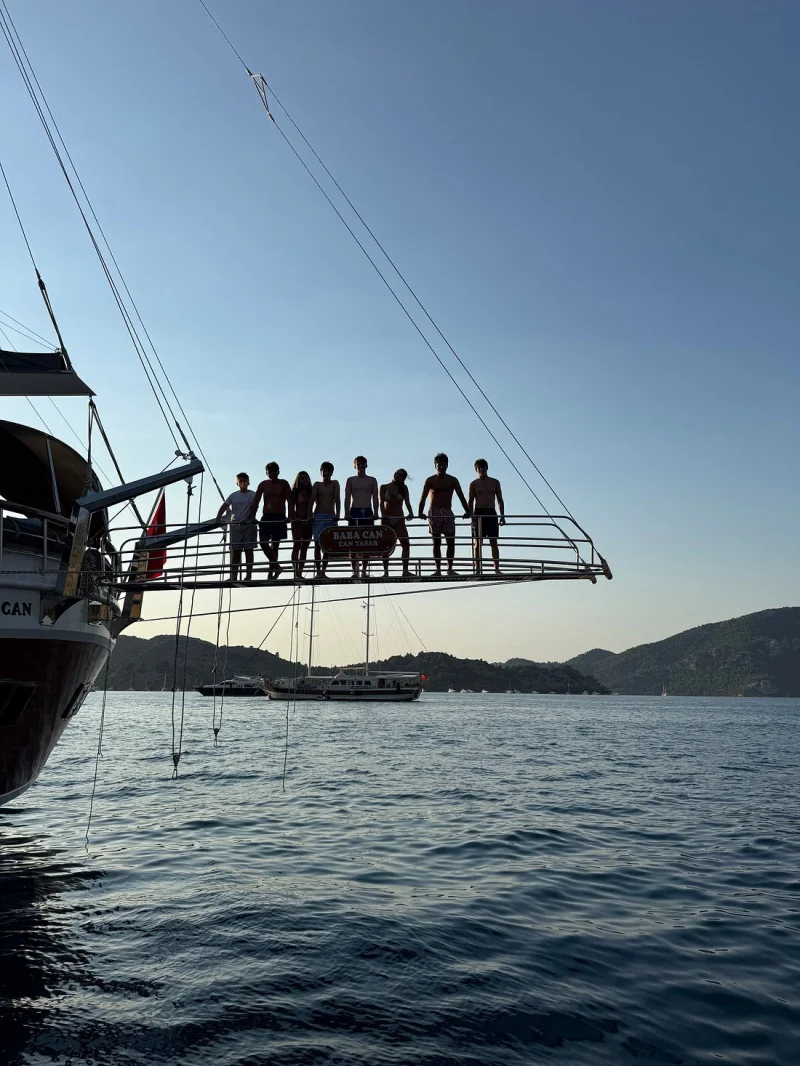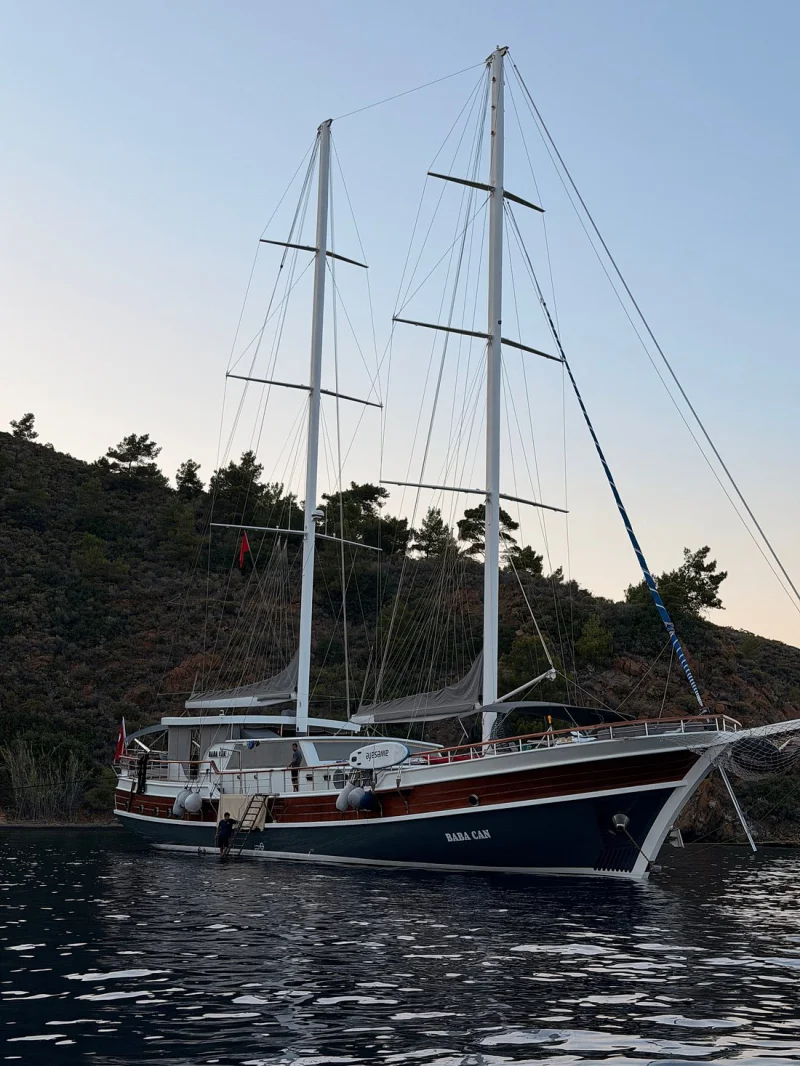


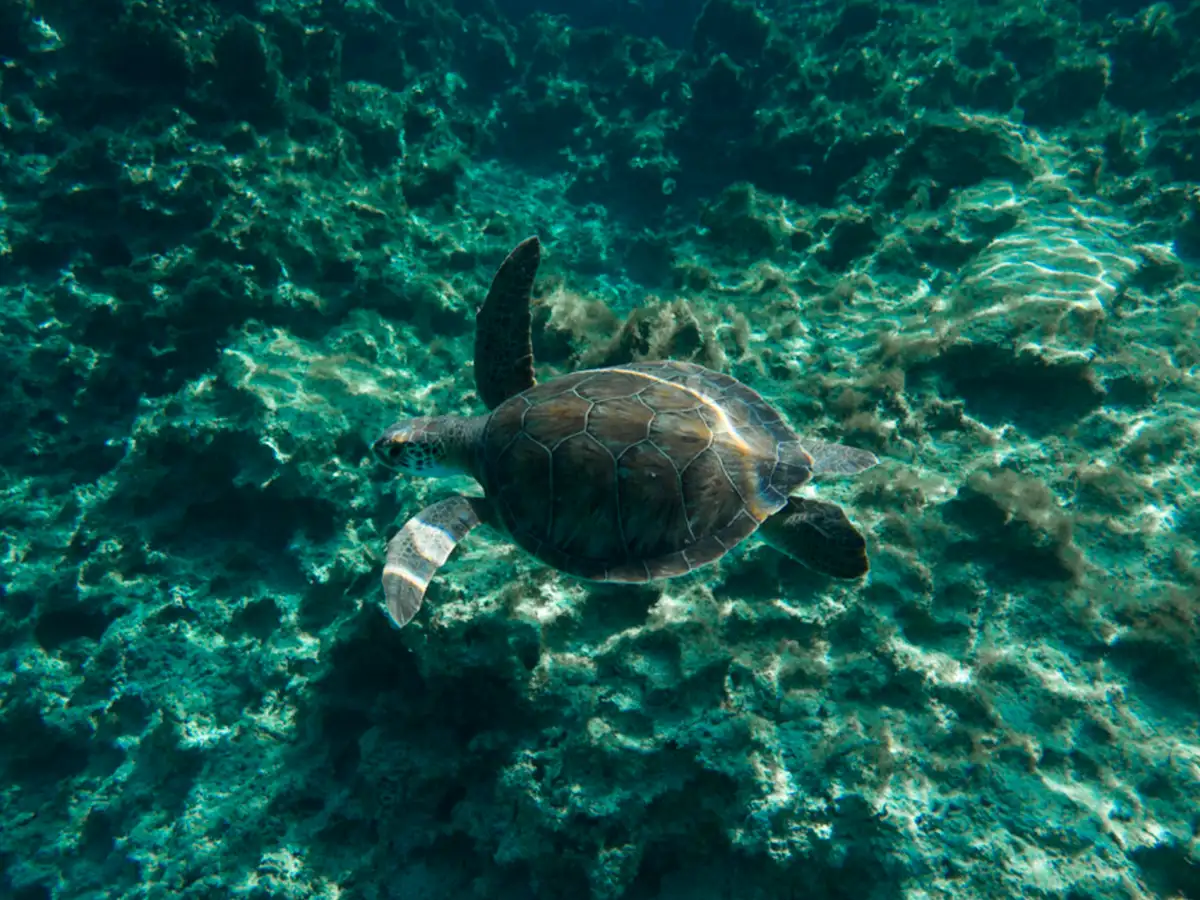
Planning to visit Turtle Beach in Turkey? İztuzu Beach is a protected sandy coast in the Köyceğiz-Dalyan area of Muğla, where the Dalyan lagoon and canal system meet the Mediterranean. It is known for its long beach, natural setting and importance as a nesting area for the loggerhead turtle, Caretta caretta.
This guide explains what makes İztuzu special, how to plan a responsible visit, when nesting activity takes place, and what to check before travelling. Local restrictions and operating arrangements can change, so always follow the signs and current instructions on site.
Discovering İztuzu Beach
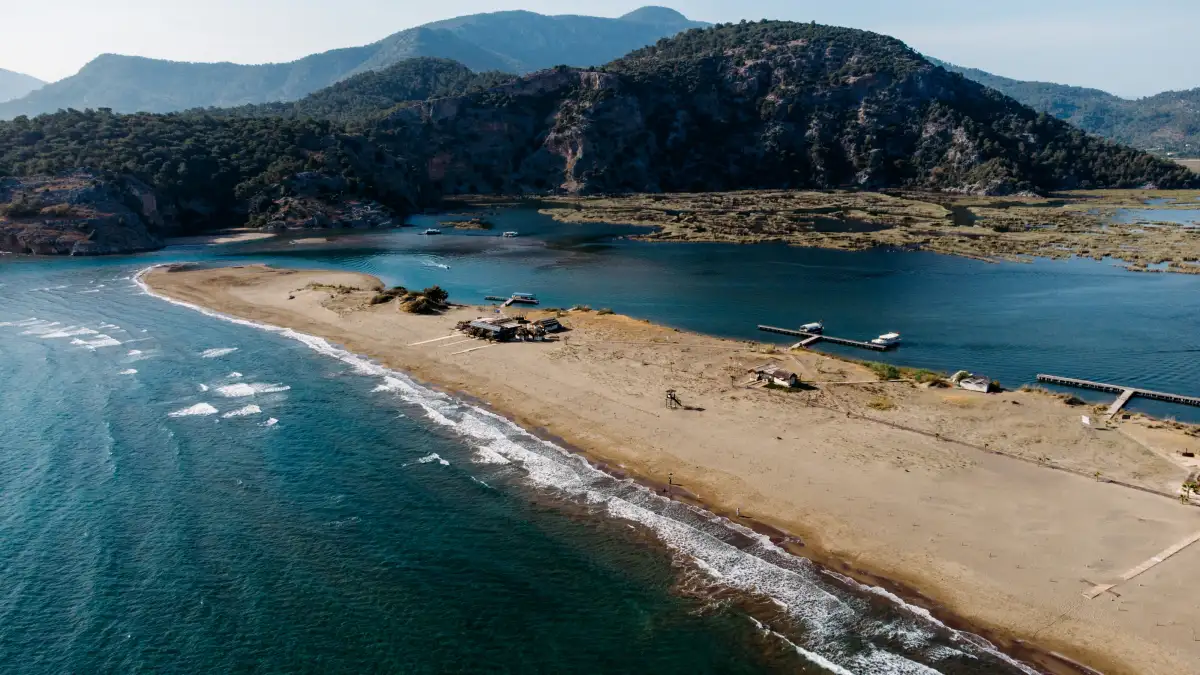
İztuzu Beach is approximately 4.5 kilometres long and is part of the Köyceğiz-Dalyan protected-area landscape. The coast, lagoon, wetlands, channels and nearby forests form a connected natural system rather than an ordinary resort beach.
Why Visit İztuzu?
İztuzu offers a combination that is unusual on the Turkish coast: a beach experience alongside a functioning wildlife habitat. The beach is used by visitors during permitted periods, while the nesting habitat must be managed to reduce disturbance to turtles and hatchlings.
The area is also connected to the Dalyan waterways and the ancient landscape of Kaunos. A visit can therefore combine coastal scenery, a boat journey, wetland views and cultural heritage without treating the beach as an isolated attraction.
Loggerhead Turtles and the Nesting Season
DEKAMER identifies the Dalyan nesting beach as one of the monitored loggerhead nesting beaches in Turkey. Its life-cycle guidance states that breeding activity begins around May and that the last hatchlings emerge around September. The exact timing and activity level vary by year and by weather.
Do not plan a close encounter with turtles. Nesting females, nests and hatchlings need space and darkness. The responsible experience is to observe posted boundaries and instructions, never touch or feed wildlife, and accept that turtles may not be visible during your visit.
Explore Iztuzu Beach
Get insider tips on visiting Turtle Beach in Turkey
What visitors should avoid
- Do not enter nesting areas or the beach at night when restrictions apply.
- Do not use torches, phone lights, flash photography or other bright lights near nesting areas.
- Do not light fires, leave belongings behind or place sunbeds and umbrellas in protected nesting zones.
- Do not drive vehicles on the beach.
- Do not bring domestic animals into restricted nesting areas.
- Do not touch, feed, chase or surround turtles.
- Do not leave plastic, food waste or fishing line on the beach or in the sea.
Best Time to Visit
The best time depends on whether your priority is swimming, quieter sightseeing or learning about nesting activity:
- May to June: the start of the nesting period, with warm conditions possible but changeable weather.
- July to August: the busiest and hottest part of the main beach season; follow all capacity and wildlife instructions.
- September: late nesting and hatchling activity may still occur, so beach rules remain important.
- Outside the main season: check transport, facilities and access before travelling because services may operate differently.
Swimming conditions and turtle activity are separate questions. A warm day does not mean that every part of the beach is open or suitable for every activity.
Getting to İztuzu Beach
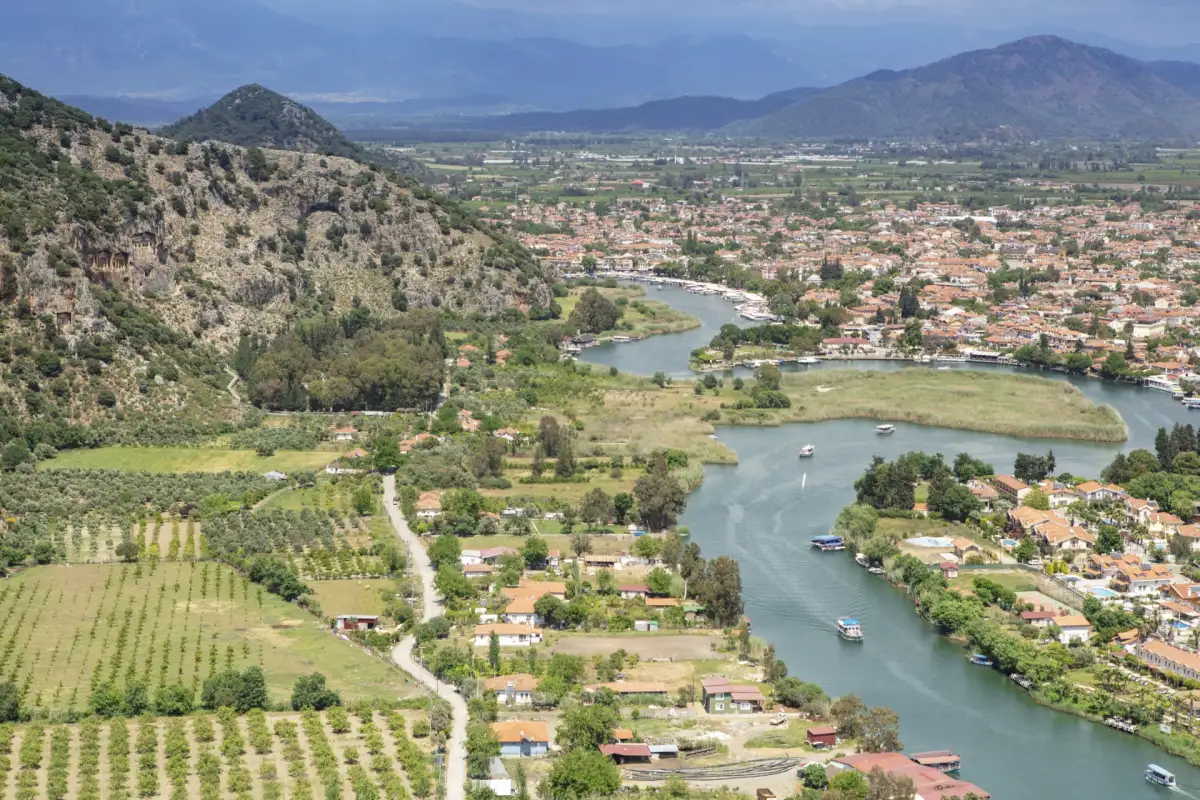
One established way to reach the beach is by boat from Dalyan through the river and lagoon system. The journey can also provide views of the wetland landscape and the rock-cut tombs associated with ancient Kaunos.
Road access and local beach transport may vary by season, weather, conservation arrangements and current municipal operations. Confirm the latest departure points, fares, parking arrangements and return times locally rather than relying on an old timetable.
Planning the journey
- Allow extra time if travelling with children, older visitors or limited-mobility passengers.
- Take water, sun protection and footwear suitable for a sandy, exposed beach.
- Confirm the last return boat or local transport before leaving Dalyan.
- Keep the boat route quiet and follow the operator's wildlife instructions.
- Never assume that a private boat may enter every protected or shallow-water area.
Beach Activities and Natural Features
Swimming, walking and landscape photography can be part of a visit when they take place in permitted areas. The beach is exposed to sun and wind, and conditions can change during the day. Families should keep children within supervision and follow local swimming advice rather than treating the whole coastline as uniformly safe.
The natural value of İztuzu is not limited to the visible sand. Dunes, wetland channels and nearby coastal habitats support a wider ecological system. Avoid climbing through vegetated dune areas or crossing marked protection zones.
Conservation and Research
DEKAMER describes conservation work that includes nest monitoring, nest cages where appropriate, research on embryonic development and sex determination, treatment and rehabilitation of injured turtles, pollution studies and satellite tracking.
These activities show why visitors should not handle nests or attempt to move hatchlings. Even well-intended interference can change the conditions that researchers and conservation teams are trying to monitor.
Dalyan, Kaunos and Nearby Experiences
Dalyan is the practical base for exploring the river, lagoon and beach. The nearby ancient city of Kaunos and its rock-cut tombs add a cultural dimension to the trip and can be reached as part of a local boat itinerary.
The Köyceğiz-Dalyan protected area also includes wetlands, freshwater and brackish-water habitats, forests and coastal areas. This variety makes the region suitable for nature observation, but it also means that boating, waste, lighting and visitor pressure need to be managed carefully.
About the mud baths
Dalyan is associated with thermal springs and mud-bath facilities. Treat these as separate local attractions, check current operator information, and do not present mud as a medical treatment or promise health benefits.
Where to Stay
Dalyan is the most practical base for a beach-and-river itinerary because local boat excursions and regional services operate from the town. Köyceğiz and other nearby settlements may suit visitors who want a quieter inland setting, but the choice changes the daily transport plan.
Before booking, check the distance to the departure point, the return options, accessibility, air conditioning, family facilities and whether the accommodation can provide current local transport information.
What to Bring
- Reef-conscious sun protection, a hat and sunglasses
- Reusable drinking water and snacks in containers you can take away
- Beach towel, swimwear and footwear for hot sand
- Light clothing and a layer for a windy boat ride
- Binoculars or a camera with the flash disabled
- Any required medication and basic first-aid items
A Responsible Day Plan
- Morning: check the weather, transport schedule and current beach notices before departing.
- Late morning: travel through the Dalyan waterways or use the current permitted route to the beach.
- Midday: swim, walk and rest only in permitted areas; use shade and drink water.
- Afternoon: visit Dalyan or Kaunos if conditions and opening arrangements allow.
- Evening: leave the nesting beach before any posted night restriction and return all belongings and waste with you.
Understanding Beach Rules
Rules protect both visitors and wildlife. Read the signs before entering the beach and look for instructions about:
- Permitted swimming and walking areas
- Nesting zones and marked nests
- Night-time access and lighting
- Beach equipment placement
- Vehicles, fires, pets and waste
- Boat speed and protected coastal waters
Restrictions are not a disadvantage of visiting İztuzu; they are part of what allows the beach to remain a nesting habitat. If an area is closed or an activity is not allowed, choose the permitted alternative.
Weather and Sea Conditions
Summer is generally the busiest period, but the beach can be hot, windy or exposed. Check the local forecast and sea conditions before setting out, especially when travelling by small boat or with children.
Do not describe the beach as safe in every condition. Supervise children, respect swimming advice and avoid entering the water when conditions are unsuitable.
Photography and Wildlife Watching
Good photographs do not require approaching a turtle or entering a protected zone. Use a long lens or binoculars, keep a clear distance, disable flash and avoid blocking the path of an animal or other visitors.
Sunrise and sunset can create attractive light over the river mouth and dunes, but sunset photography must not become a reason to remain on the nesting beach after a posted closing time.
Family Visits
İztuzu can be educational for children when the focus is observation rather than handling wildlife. Explain why nests are marked, why lights are restricted and why litter affects animals. Choose a boat operator that follows current conservation instructions and avoid any tour that advertises feeding or touching turtles.
Nearby Day Trips
- Dalyan: the local base for river, lagoon and beach connections.
- Kaunos: an archaeological site associated with the Dalyan landscape and rock-cut tombs.
- Köyceğiz: a nearby lake and protected-area setting with a different inland character.
- Thermal and mud-bath facilities: separate local attractions whose opening arrangements and conditions should be checked before visiting.
Final Tips
- Check current access, transport and beach notices before leaving.
- Keep the original English slug unchanged when sharing the page.
- Visit outside peak hours only if the beach is open and local rules allow it.
- Never feed or touch turtles, nests or hatchlings.
- Take every item of waste back with you.
- Choose conservation-aware operators and report injured wildlife through the relevant local rescue centre.
References
- DEKAMER – Nesting Beaches – Nesting beach monitoring information and the Dalyan beach profile.
- DEKAMER – Protect Sea Turtle Habitat – Visitor-related risks and practical measures for protecting nesting beaches.
- DEKAMER – Life Cycle of Sea Turtles – Breeding, nesting and hatchling timing guidance.
- DEKAMER – Researches – Nest monitoring, rehabilitation, pollution and satellite-tracking activities.
- DEKAMER – Annual Reports – Published research, rescue and rehabilitation reports.
- UNDP and Turkey’s Ministry of Environment – Economic Analysis of Köyceğiz-Dalyan SEPA – Protected-area context, Dalyan waterways, İztuzu, Kaunos, tourism and management pressures.
- Republic of Türkiye Ministry of Environment – Köyceğiz-Dalyan Special Environmental Protection Area – Official protected-area information and conservation context.
- Republic of Türkiye Ministry of Environment – Sea Turtle Protection and Monitoring Project – Official monitoring project for the Köyceğiz-Dalyan area.
İztuzu is most rewarding when the beach, wetlands and turtles are treated as one connected protected landscape. Plan the transport carefully, follow current rules and leave the coast as you found it.
This article was last updated on August 11, 2026.
I have over ten years of experience in luxury yacht charters. I focus on creating amazing sailing experiences along the Turkish Riviera. As the CEO of De Yachting since 2010, I have managed many successful charters. I know Turkey's most beautiful coastal spots very well.
Areas of Expertise
Have questions about yacht chartering?
Feel free to reach out directly