
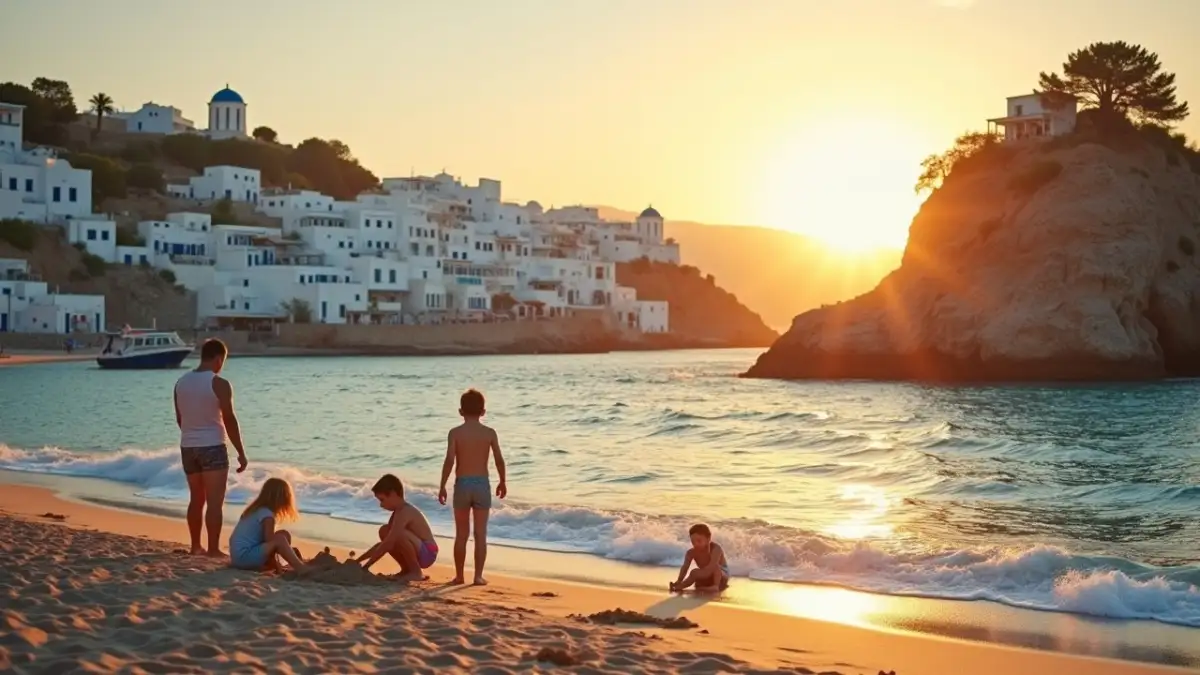
Planning a family trip to the Greek islands? Greece offers a wide choice of beaches, cultural sites, nature experiences and activities, but no single island is best for every family.
Your decision should reflect the children's ages, swimming confidence, travel tolerance, preferred pace, accommodation needs and the activities you actually want to do. A large island can offer variety, while a smaller island may make a short holiday easier to manage.
Family-Friendly Greek Islands at a Glance
| Island | Good fit for | Plan around |
|---|---|---|
| Crete | Families wanting beaches, history, nature and longer stays | Long distances between regions and a detailed route |
| Rhodes | Beach time combined with medieval history | Heat, resort distances and access at individual beaches |
| Corfu | Green landscapes, beaches and a historic town | Local transfers and the mix of pebble and sandy beaches |
| Naxos | Long sandy beaches, villages and a balanced island stay | Wind, seasonal connections and distances outside Chora |
| Kefalonia | Nature, beaches, villages and cave or boat experiences | Island size, road time and changing sea conditions |
| Zakynthos | Coastal scenery and wildlife-aware boat excursions | Protected turtle areas, local rules and summer demand |
| Paros | Beaches, villages, food and water sports | Wind exposure and the level of activity your family wants |
| Milos | Volcanic landscapes, beaches and boat-based sightseeing | Rocky access, boat availability and sun exposure |
| Syros | Culture, town life and a shorter, more structured stay | Beach locations outside Ermoupoli and transport planning |
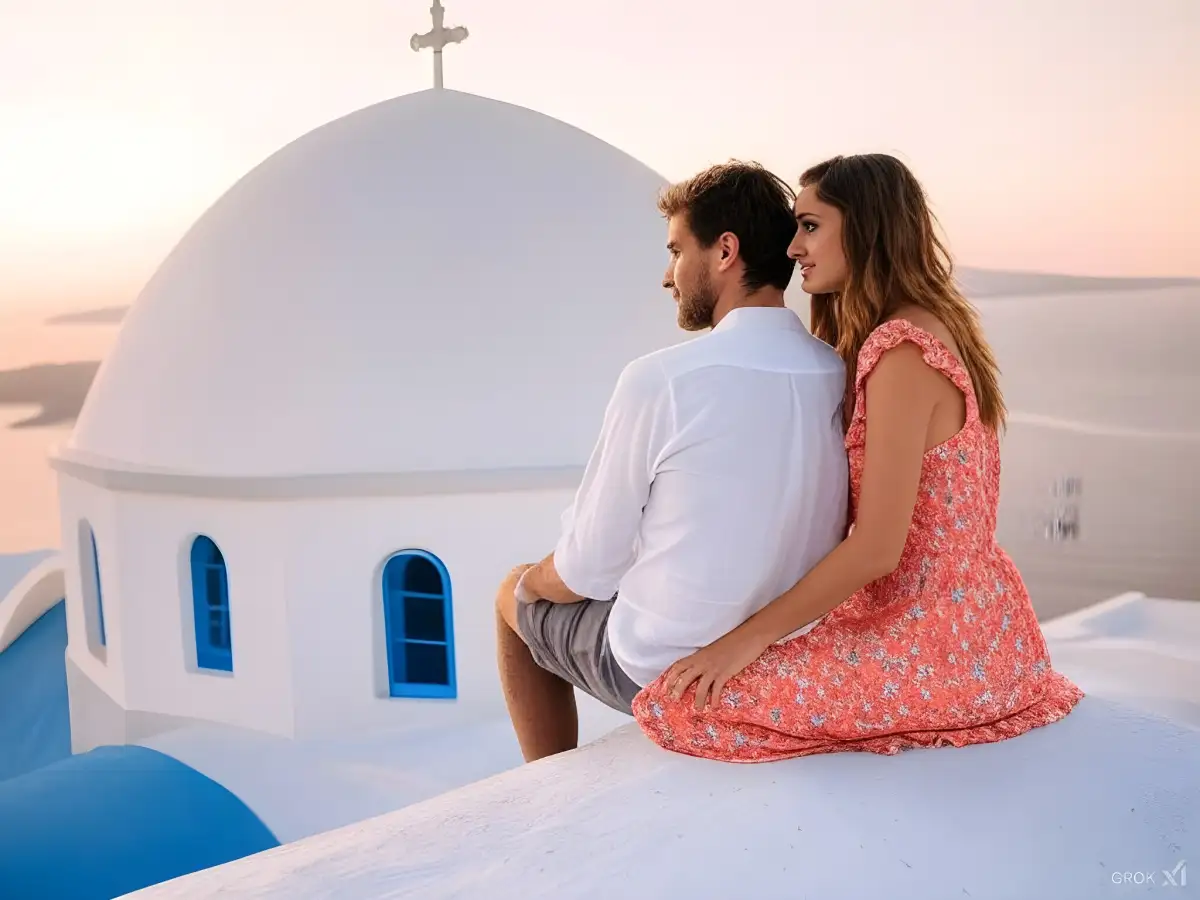
| Mykonos or Santorini | Older children, scenery, culture and selected organised beaches | Budget, crowds, wind and whether the beach choice suits young swimmers |
Finding Your Perfect Greek Island
Each island offers a different combination of beaches, landscapes, history, food and transport. The official Visit Greece family guide highlights the Aegean and Ionian islands and Crete among Greece's family destinations, while the official island pages describe very different local environments.
For younger children, prioritise the exact beach rather than the island's reputation. Check the shoreline, shade, access, toilets, food options, supervision and current sea conditions. For teenagers, add activities such as water sports, walks, cultural visits or boat trips only after checking age and safety requirements.
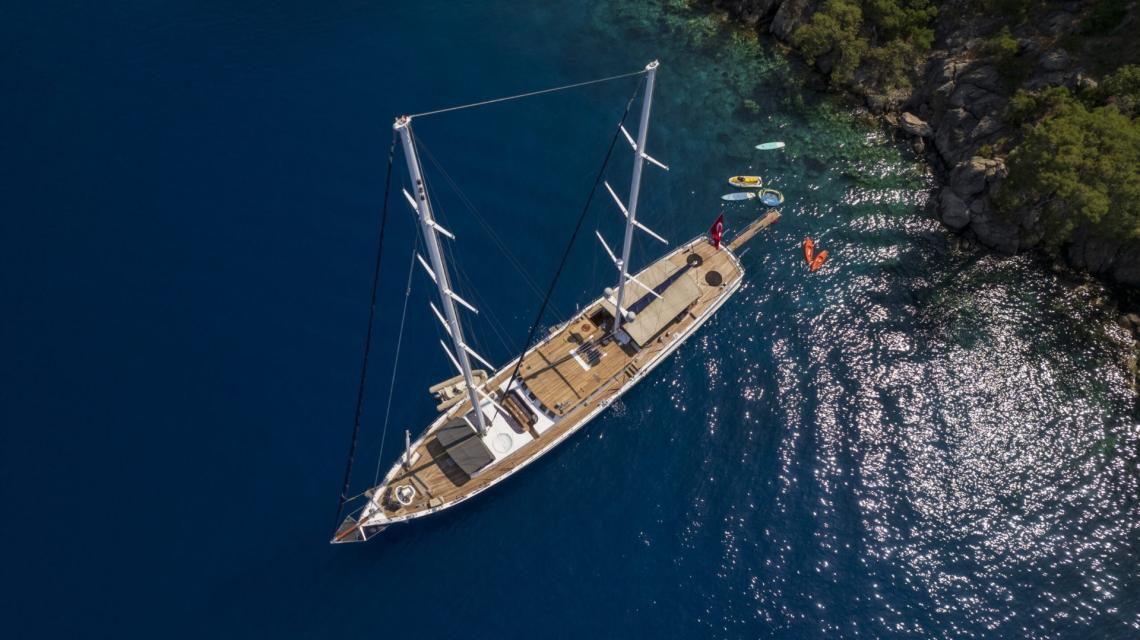
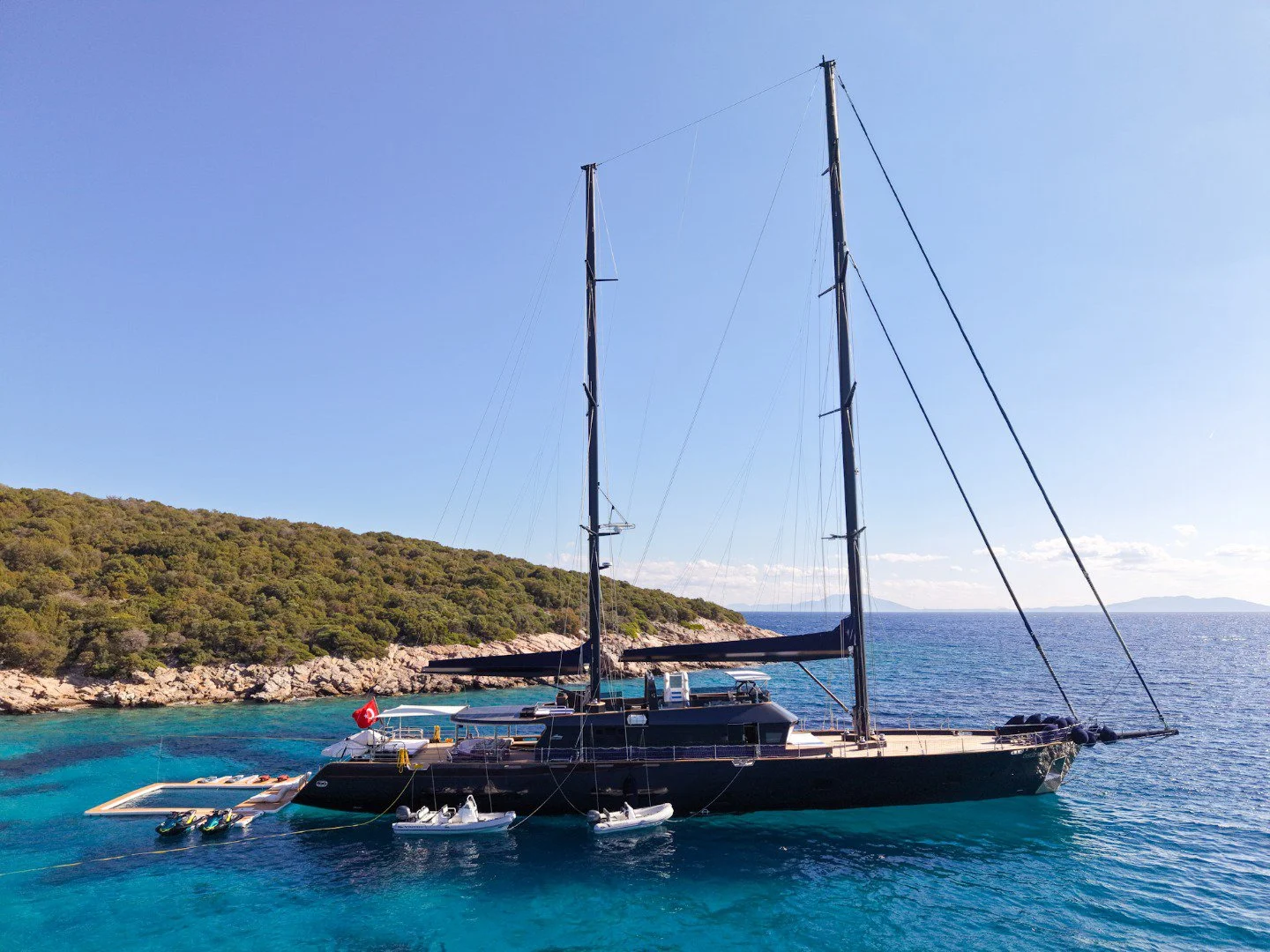
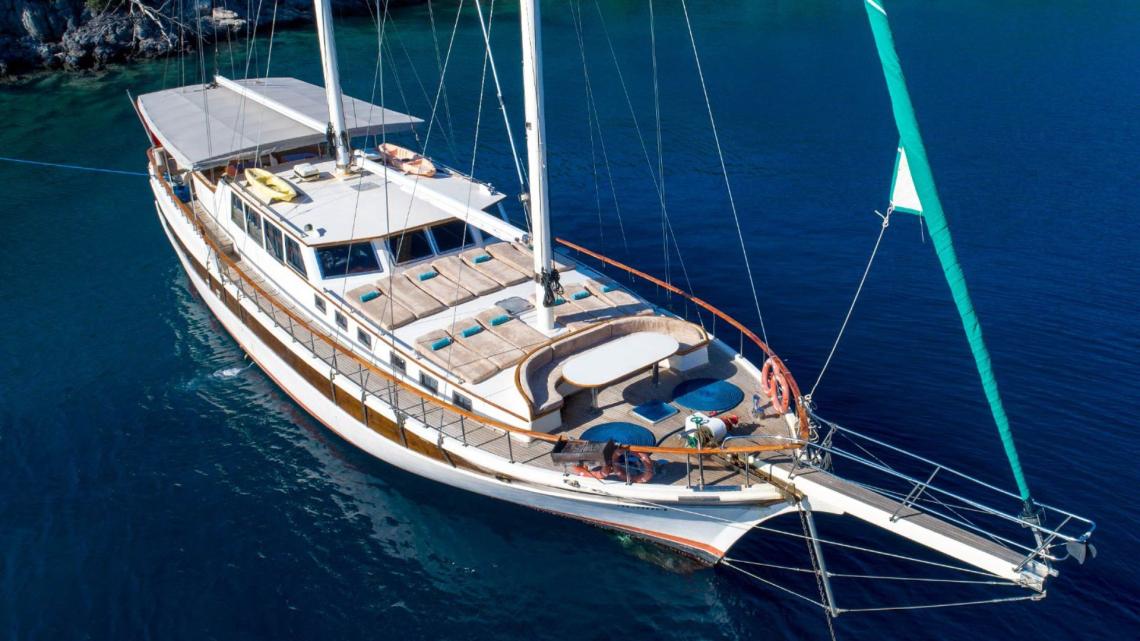
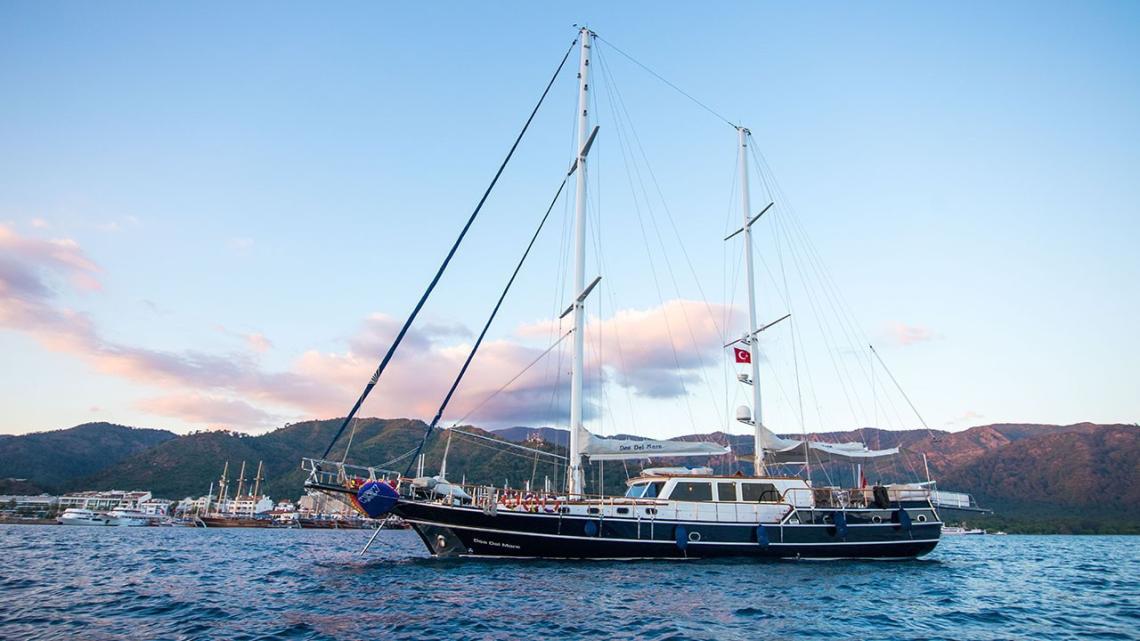
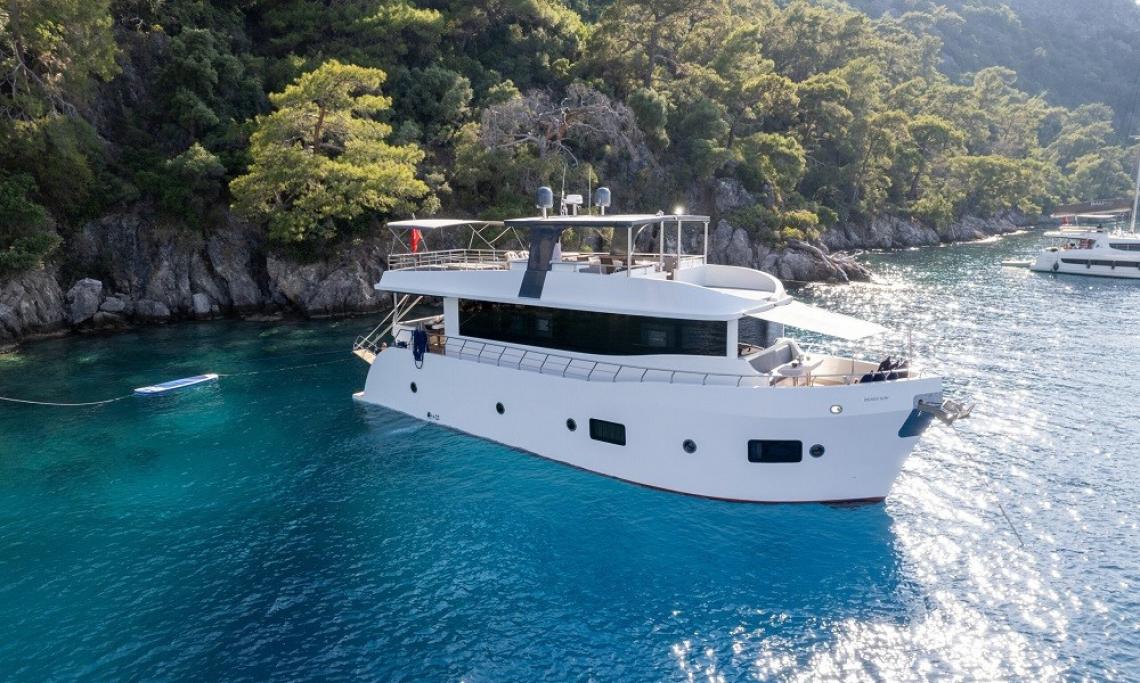
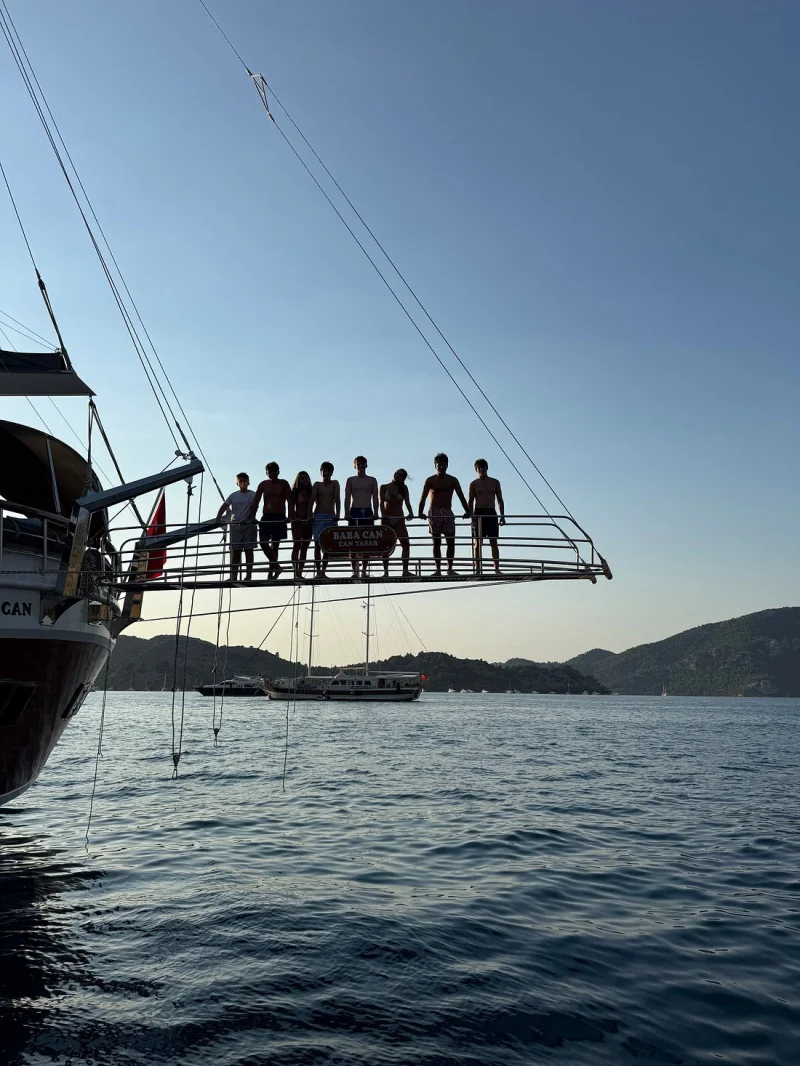
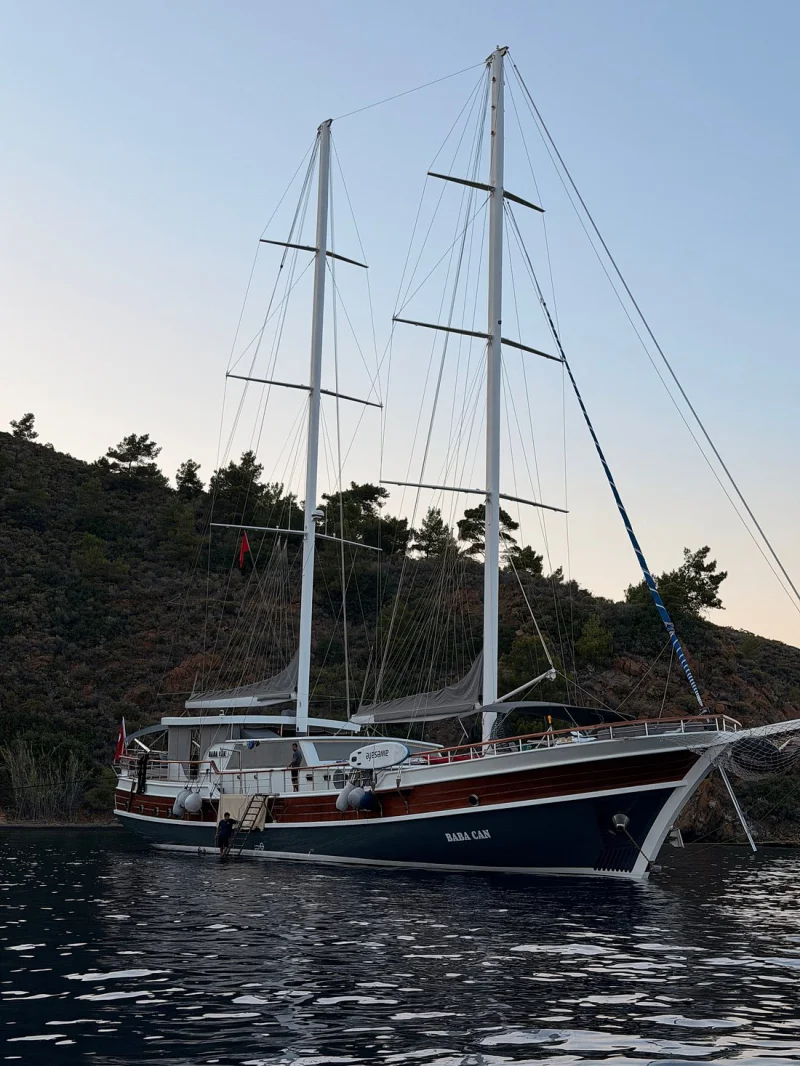
A yacht or gulet itinerary can show several islands without changing hotels every night, but the route still needs realistic sailing distances, weather allowances and child-appropriate daily plans. Do not treat a charter route as a fixed substitute for checking current port and anchorage conditions.
The Best Greek Islands for Your Family
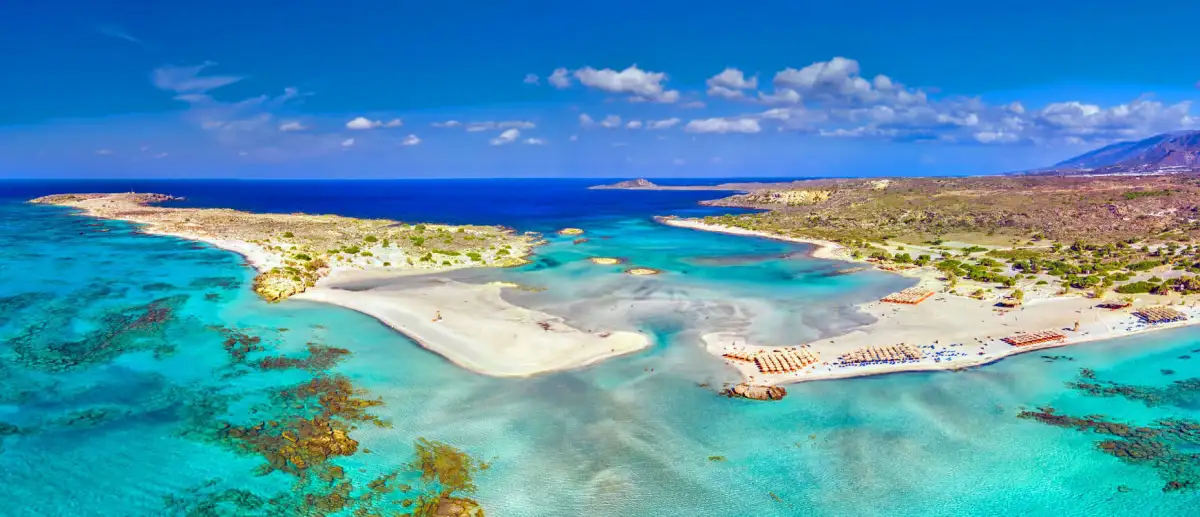
Crete: Variety for Longer Family Holidays
Crete is Greece's largest island and combines a long coastline with major historical and natural attractions. Families can build a route around beaches, Chania or Rethymno, Heraklion and archaeological sites, mountain landscapes and local food.
Elafonisi is known for its distinctive pink sand, while the island's other coastal areas have different surfaces and conditions. Treat “shallow” or “safe” as beach-specific descriptions, not as a guarantee for every day. Check local signage, weather and water conditions before swimming.
Explore Greece?
Get insider tips on family-friendly islands and routes
Crete suits families who are comfortable with road travel and want several types of activity. Choose one region for a shorter break or allow more time if you want to cross the island.
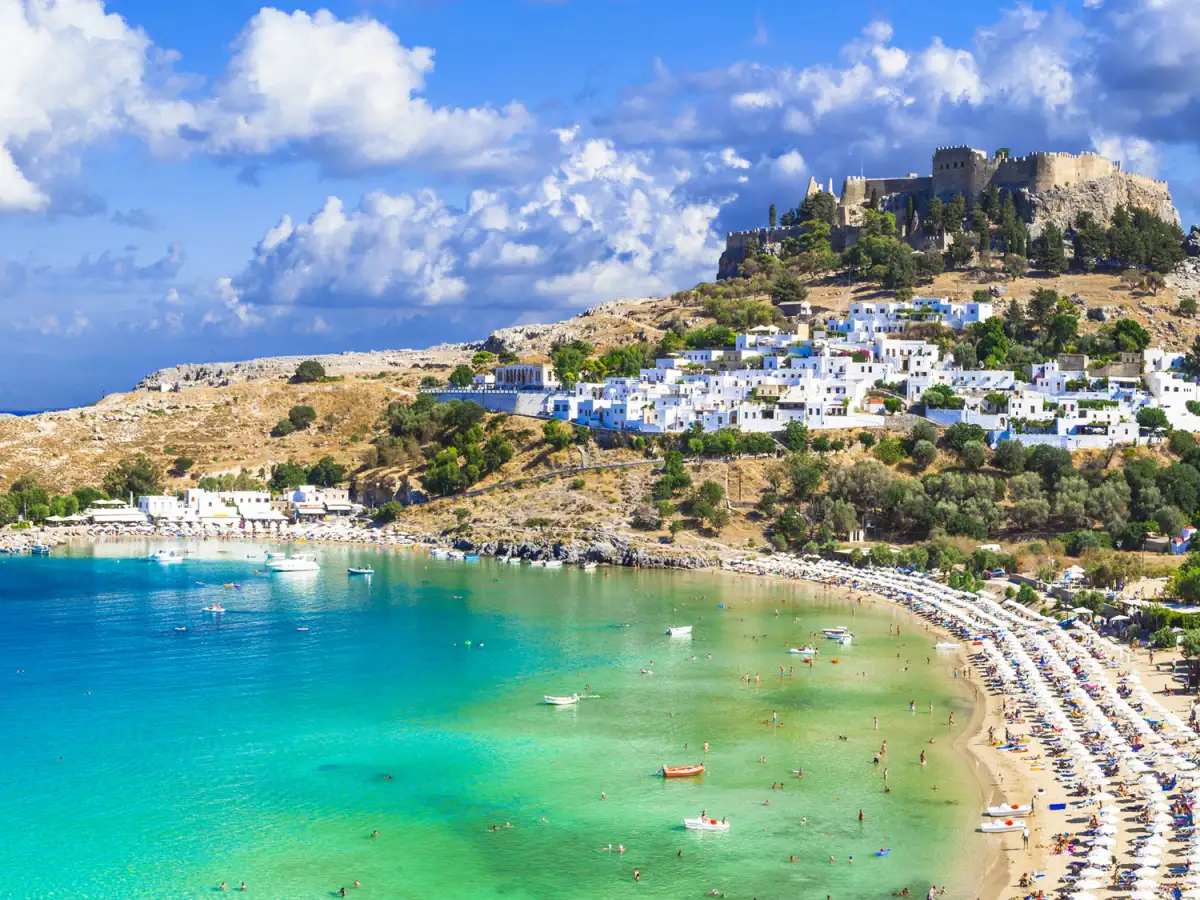
Rhodes: Medieval History and Beach Time
Rhodes combines beaches, villages, natural landscapes and the Medieval City of Rhodes, a UNESCO World Heritage property. The old city, the Palace of the Grand Masters and the Street of the Knights can turn a beach holiday into a history-focused family trip.
Beach conditions vary around the island. Instead of promising that a named bay is safe for young swimmers, check the exact beach, wind, waves, access and available facilities on the day.
Rhodes is a strong fit for families who want a clear mix of resort time and cultural sightseeing. Build in shade and breaks during hot periods.
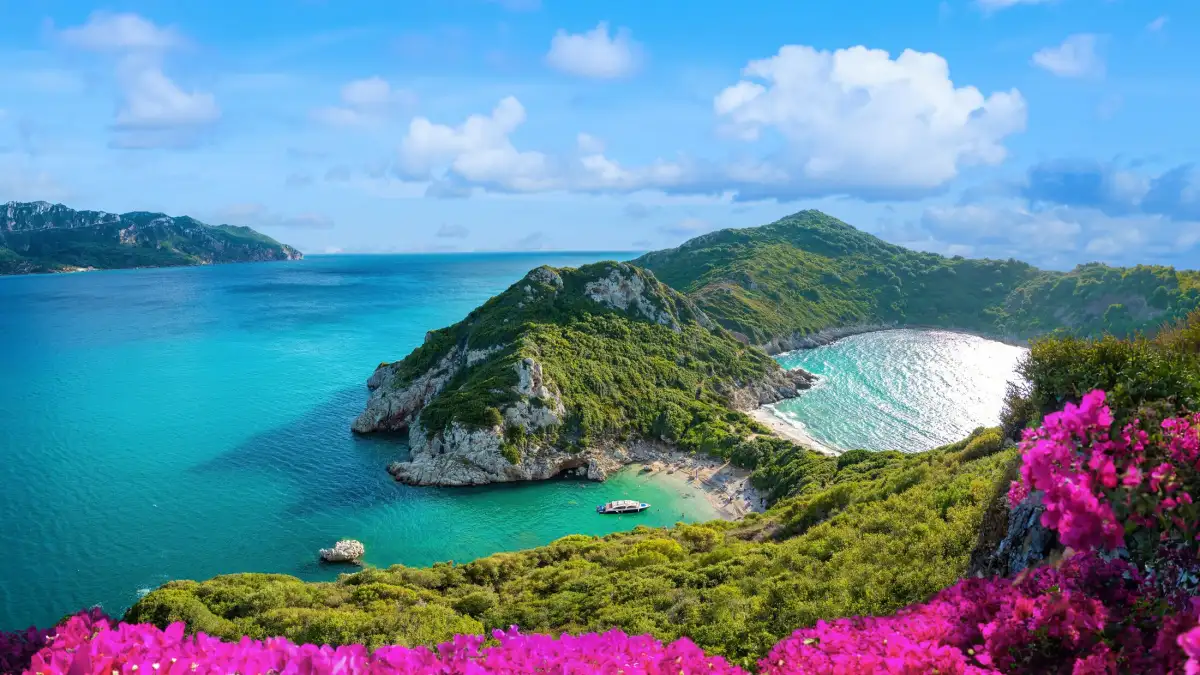
Corfu: Green Landscapes and Historic Town Life
Corfu is known for lush landscapes, beaches with golden sand or white pebbles, seaside resorts and Corfu Old Town. UNESCO describes the old town as a fortified Mediterranean port with Venetian fortifications and a strong historic character.
Families can combine a town visit with a beach day, but the island's beaches are not all alike. Check whether your chosen shoreline is sandy, pebbly, sheltered or exposed, and plan transfers accordingly.
Corfu works well for families who want nature and culture alongside swimming rather than a holiday focused only on one beach.
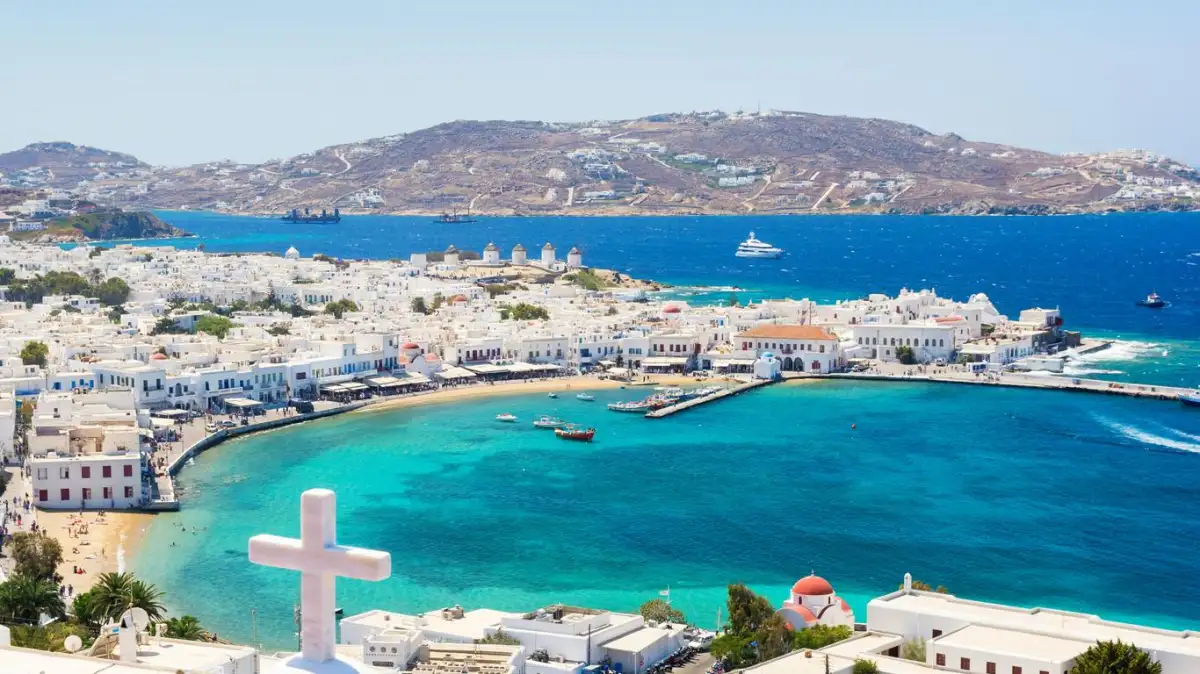
Naxos: Sandy Beaches and a Balanced Pace
Naxos is the largest and most fertile island in the Cyclades. Official destination information highlights long sandy beaches, quiet bays, traditional villages, historic monuments and water sports.
Agios Prokopios, Agia Anna and Plaka are among the coastal areas named in official destination material, but the best choice still depends on wind, beach access and the age of the children. Confirm the day's conditions before entering the water.
Naxos is a practical option for families who want beach time with villages, food and light cultural exploration. Allow extra time for journeys outside Chora.
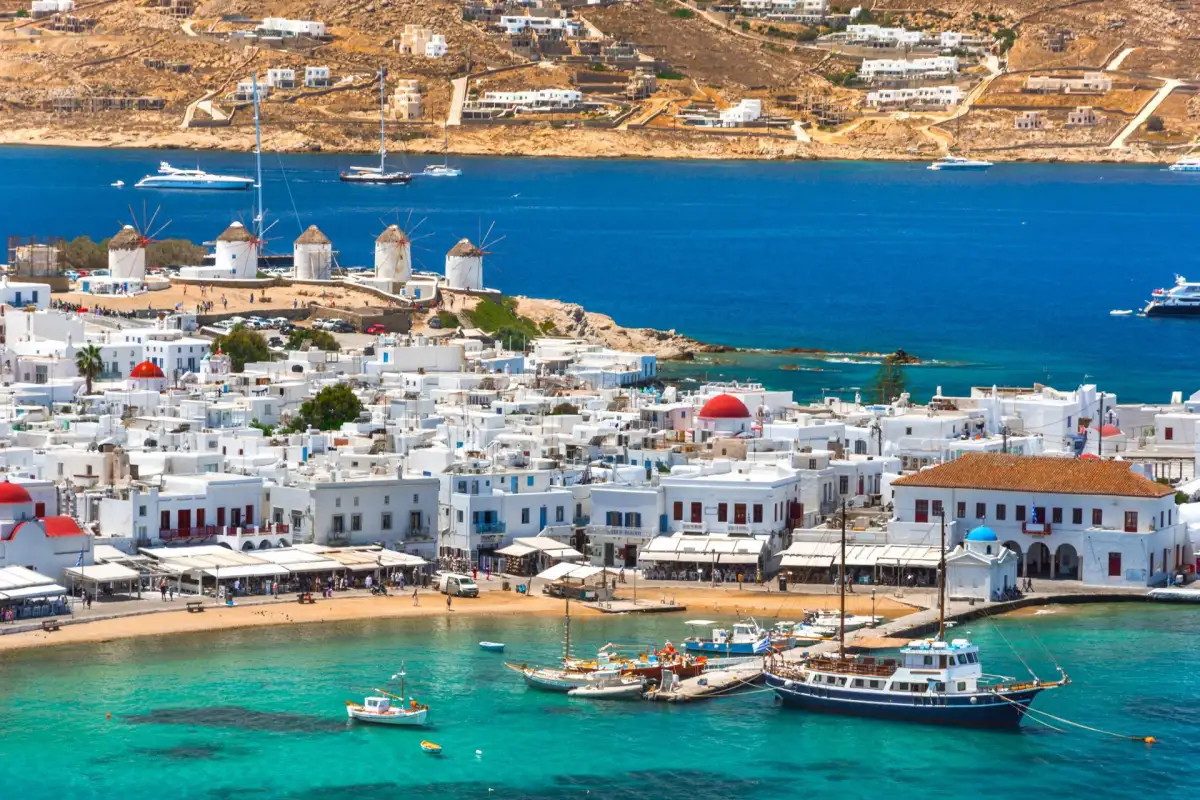
Mykonos: Activities for Older Children
Mykonos combines beaches, villages, restaurants, water activities and a busy social atmosphere. It can work for families with older children who enjoy activity, boat trips and exploring towns, but it may be less suitable if you want a quiet, low-logistics holiday.
Check beach exposure, wind, operating hours, noise levels and prices before choosing accommodation. A family-friendly plan may mean selecting a quieter base and visiting the most popular areas at appropriate times.
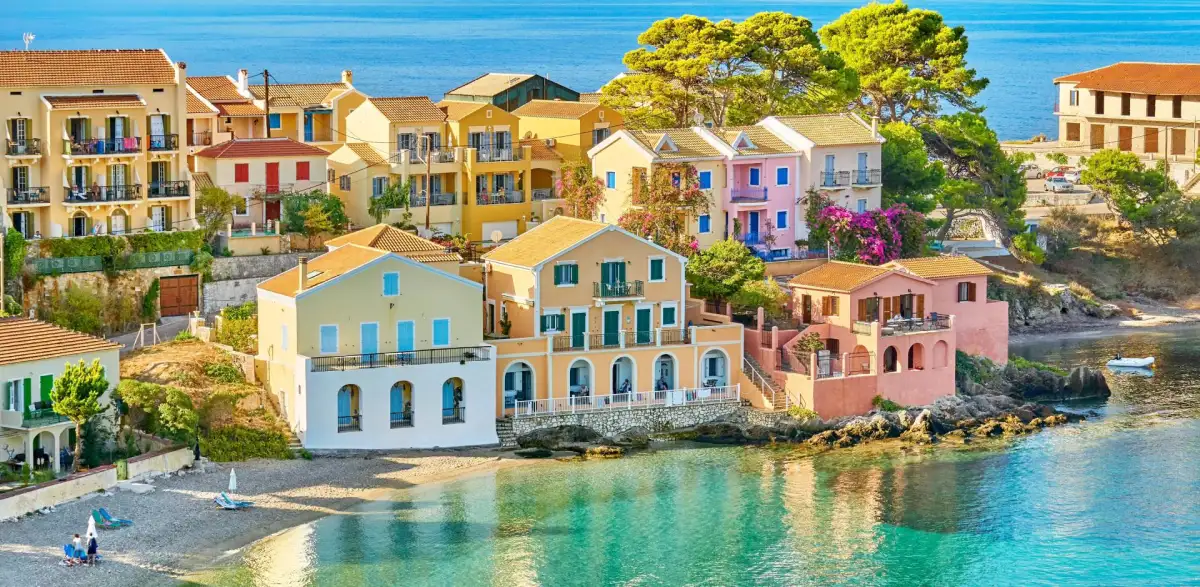
Kefalonia: Nature, Beaches and Caves
Kefalonia combines mountains, caves, villages, beaches and clear coastal waters. The official tourism profile also notes the presence of loggerhead turtles and Mediterranean monk seals in the island's marine environment.
Melissani Cave and the villages around the island can add variety to a beach itinerary. Beaches differ in access and sea conditions, so do not assume that a scenic beach is automatically suitable for small children.
Kefalonia suits families who enjoy nature and are comfortable with driving or organising transfers across a large island.
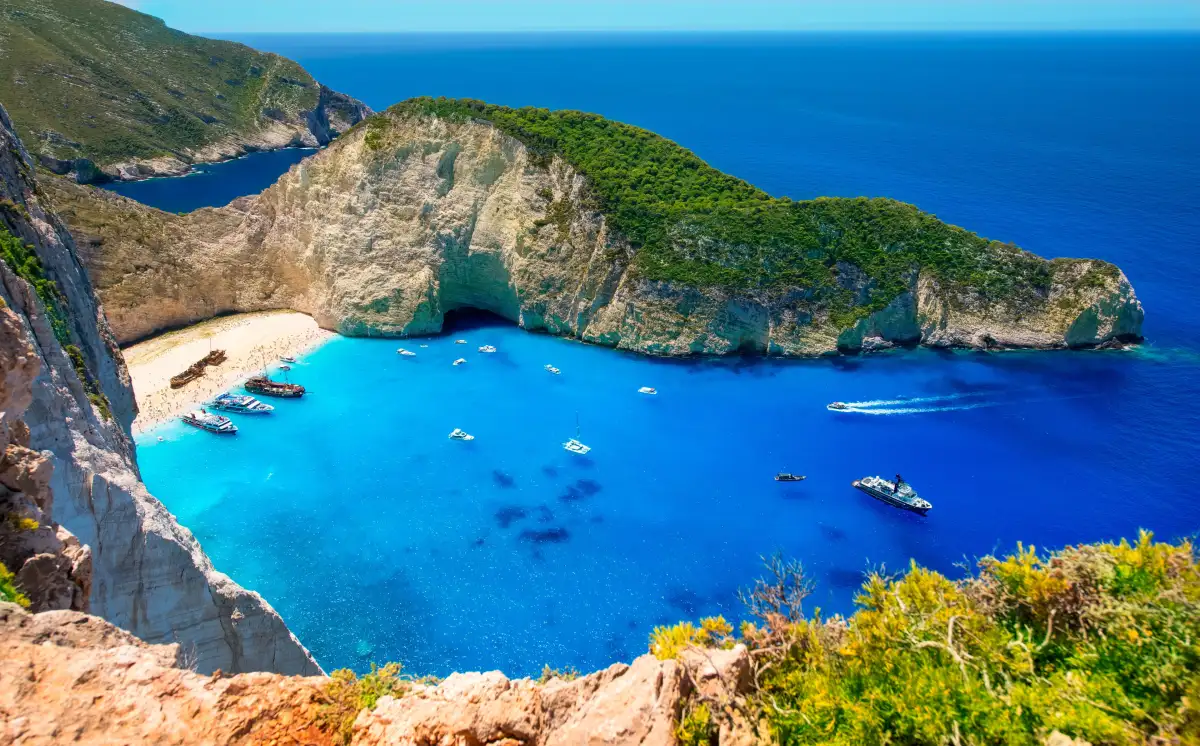
Zakynthos: Coastal Scenery and Wildlife Awareness
Zakynthos is known for sandy beaches, coves, marine caves and the loggerhead turtle, Caretta caretta. Boat excursions can be memorable, but wildlife viewing must follow current local rules and should never involve touching, feeding or crowding animals.
Navagio is one of the island's best-known photographed locations, but access and viewing arrangements can change. Verify current conditions before planning a visit and do not promise access to the beach itself.
Zakynthos can suit families who enjoy boat trips and nature, provided the itinerary respects protected areas and the children's tolerance for sun, motion and waiting.
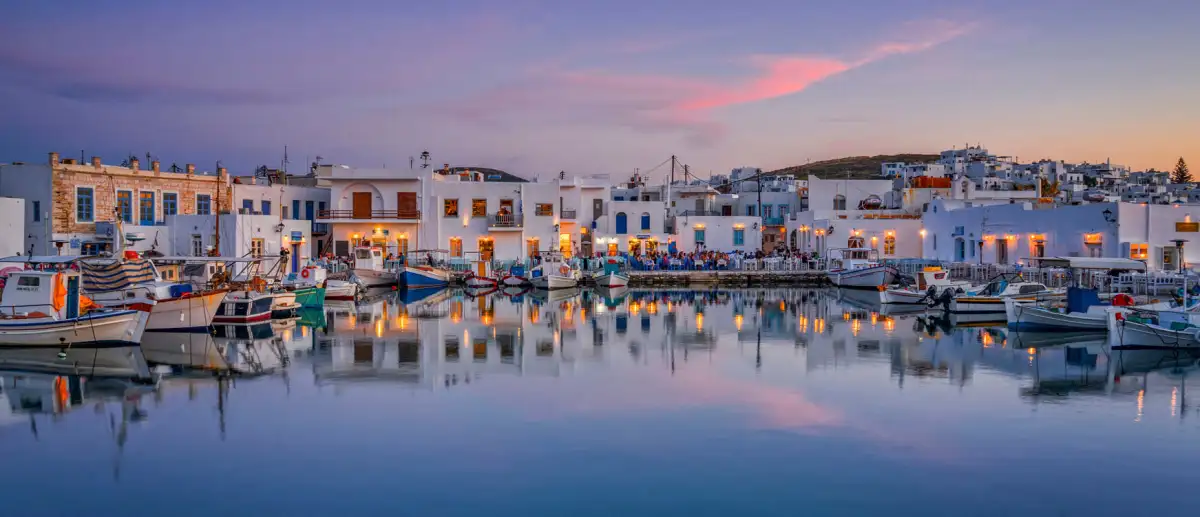
Paros: Beaches, Villages and Water Sports
Paros combines sandy beaches, clear water, Cycladic villages, gastronomy and a lively social scene. The official tourism profile identifies windsurfing and sailing among the island's activities.
Water sports should be chosen according to age, instruction, wind and the operator's safety procedures. Families looking for calm beach time should compare the exact beach and its exposure rather than relying on the island name alone.
Paros is a flexible choice for families who want to combine swimming with food, villages and active days.
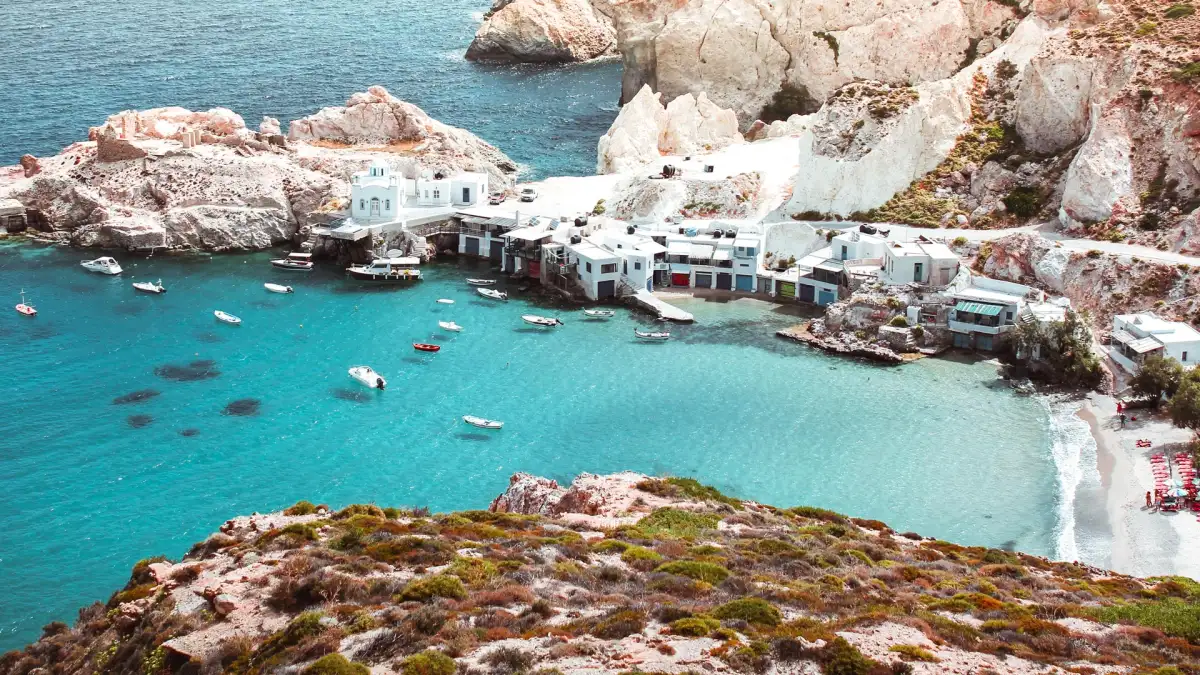
Milos: Volcanic Landscapes and Boat Excursions
Milos is a volcanic island with distinctive white, red, yellow and black rock formations, more than 70 beaches and striking coastal sites such as Sarakiniko and Kleftiko.
The scenery is excellent for older children who enjoy geology, photography and boat-based sightseeing. Smooth rock platforms, cliffs, heat and limited shade can make some locations unsuitable for unsupervised young swimmers.
For a family itinerary, combine one or two accessible beaches with a carefully selected boat trip and leave room for weather changes.
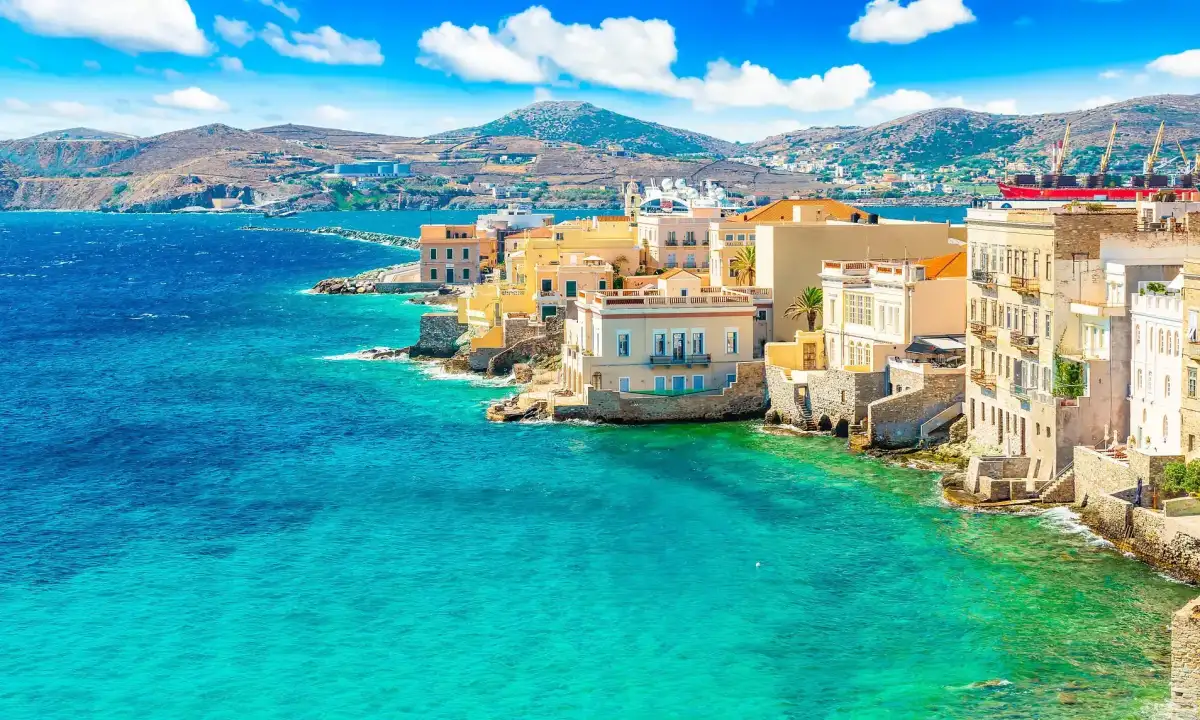
Syros: Culture and a More Structured Island Stay
Syros is the capital of the Cyclades and centres on Ermoupoli, with neoclassical buildings, Ano Syros, cultural events, coastal hamlets and beaches.
It is a useful option for families who value town life, culture and food alongside beach time. Because many beaches are outside Ermoupoli, check the local transport route and return times before planning a beach day.
Syros can be a good fit for a shorter, more structured break where you want cultural activities close to your accommodation.
Planning Your Perfect Family Trip
When to Visit the Greek Islands
The right period depends on your priorities:
- Late spring can suit sightseeing and outdoor activities before the hottest period, but sea temperatures may still feel cool.
- Summer offers the most established beach and activity schedule, but it is also the busiest and hottest period.
- Early autumn can bring warm sea conditions and fewer visitors, although operating schedules and weather vary.
- Outside the main season, confirm accommodation, ferry, restaurant and activity availability before booking.
Getting Around the Islands
Transport is part of the family decision:
- Domestic flights serve several islands, but routes and schedules change.
- Ferries connect many islands and mainland ports, with frequency depending on the route and season.
- Car hire can help on larger islands, but check child-seat availability and road conditions.
- Public transport may be useful in resort areas but less convenient for remote beaches.
- Yacht or gulet routes reduce hotel changes but require weather and sailing-time allowances.
Check the current operator, port authority or official destination information before relying on a connection.
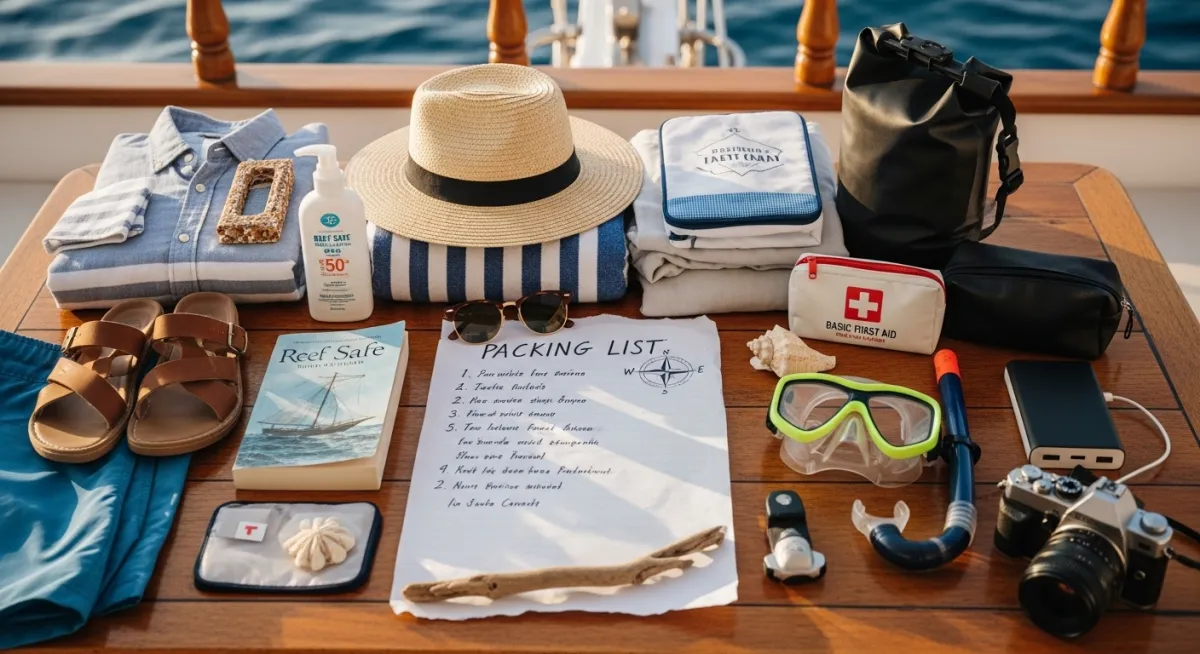
What to Pack for Your Family
- Sun protection, hats, sunglasses and regularly reapplied sunscreen
- Water shoes for rocky or pebbly beaches
- Light clothing and a layer for windy evenings
- Comfortable walking shoes for villages and archaeological sites
- Water and snacks for beaches away from services
- Basic first-aid items and any essential medication
- Child flotation equipment appropriate to the child and activity
Common Questions About Greek Islands
Which Greek island is best for families? There is no universal answer. Crete and Naxos suit families looking for beaches plus several other activities; Rhodes and Corfu add strong heritage options; Kefalonia, Zakynthos and Milos suit nature-focused plans; Paros and Syros work well when you want a mix of activity, culture and coastal time.
Which is better, Crete or Corfu for families? Crete offers a larger choice of regions and a longer-route format. Corfu offers lush scenery, beaches and a historic town in a more concentrated Ionian setting. Compare the exact accommodation, transfers and beach access before choosing.
Which Greek beach is best for families? That depends on the children's age, swimming ability, wind, waves, shade, access and facilities. Visit Greece specifically identifies Monolithos in Santorini as favoured by families for its shallow waters and amenities, but current conditions still need to be checked locally.
Is Santorini suitable for families? It can be, especially for families who value scenery and short organised beach visits. Official tourism information describes Monolithos as family-friendly and notes the island's volcanic beaches, while the caldera terrain and busy areas may require more planning with younger children.
References
- Visit Greece – Family Holidays – Official family travel inspiration covering Greece's islands, Crete, activities and seasonal planning.
- Visit Greece – Islands – Official overview of Greece's island groups and coastal variety.
- Visit Greece – Corfu – Official destination information on Corfu's beaches, landscapes, historic town and access.
- Visit Greece – Rhodes – Official destination information on beaches, landscapes, Medieval City and access.
- Visit Greece – Naxos – Official destination information on sandy beaches, villages, history and activities.
- Visit Greece – Santorini's beaches – Official information identifying Monolithos as a family-favoured beach with shallow water and amenities.
- UNESCO World Heritage Centre – Medieval City of Rhodes – Heritage status and historical context for Rhodes Old Town.
- UNESCO World Heritage Centre – Old Town of Corfu – Heritage status and historical context for Corfu Old Town.
- The Aegean Islands – Plan your Trip – Official regional information on air and ferry connections.
- The Aegean Islands – Family – Official regional family-travel inspiration and island examples.
The perfect family holiday is different for every family. Choose the island and exact beach that match your children's ages, your preferred pace, your transport plan and the current conditions. A little planning leaves more time for the moments that make the trip memorable.
This article was last updated on August 11, 2026.

I have over ten years of experience in luxury yacht charters. I focus on creating amazing sailing experiences along the Turkish Riviera. As the CEO of De Yachting since 2010, I have managed many successful charters. I know Turkey's most beautiful coastal spots very well.
Areas of Expertise
Have questions about yacht chartering?
Feel free to reach out directly